Overview
Buying a home is exciting, but it comes with important steps to protect your investment. The home inspection process reveals the true condition of the property so you can make an informed decision. This guide walks you through exactly what to expect, from preparation to the final report, and explains how it connects to the FHA appraisal when you're using an FHA mortgage.
(38 words)
Why a Home Inspection Matters
A home inspection is your chance to discover issues that aren't visible during a regular showing. Sellers must disclose known problems, but many defects—such as hidden water damage or faulty wiring—only surface during a thorough check.
For first-time home buyers, skipping an inspection can be risky. You might inherit expensive repairs right after moving in. An inspection gives you leverage to negotiate repairs, ask for a price reduction, or even walk away if major problems appear.
If you're financing with an FHA mortgage, the inspection becomes even more valuable because the required FHA appraisal focuses primarily on safety and value, not every possible defect.
Preparing for the Inspection
Once your offer is accepted, you typically have 7–14 days to complete the inspection (check your contract for the exact timeline).
Tips to prepare: - Hire a qualified, licensed inspector. Look for membership in ASHI or InterNACHI. - Schedule early to leave time for follow-up specialist inspections if needed. - Ask the seller to provide utility bills, repair records, and any warranties. - Make sure all utilities are on and the house is accessible (including attic and crawl space).
First-time home buyers often feel overwhelmed at this stage. Take a deep breath—this step protects you more than any other.
What Happens on Inspection Day
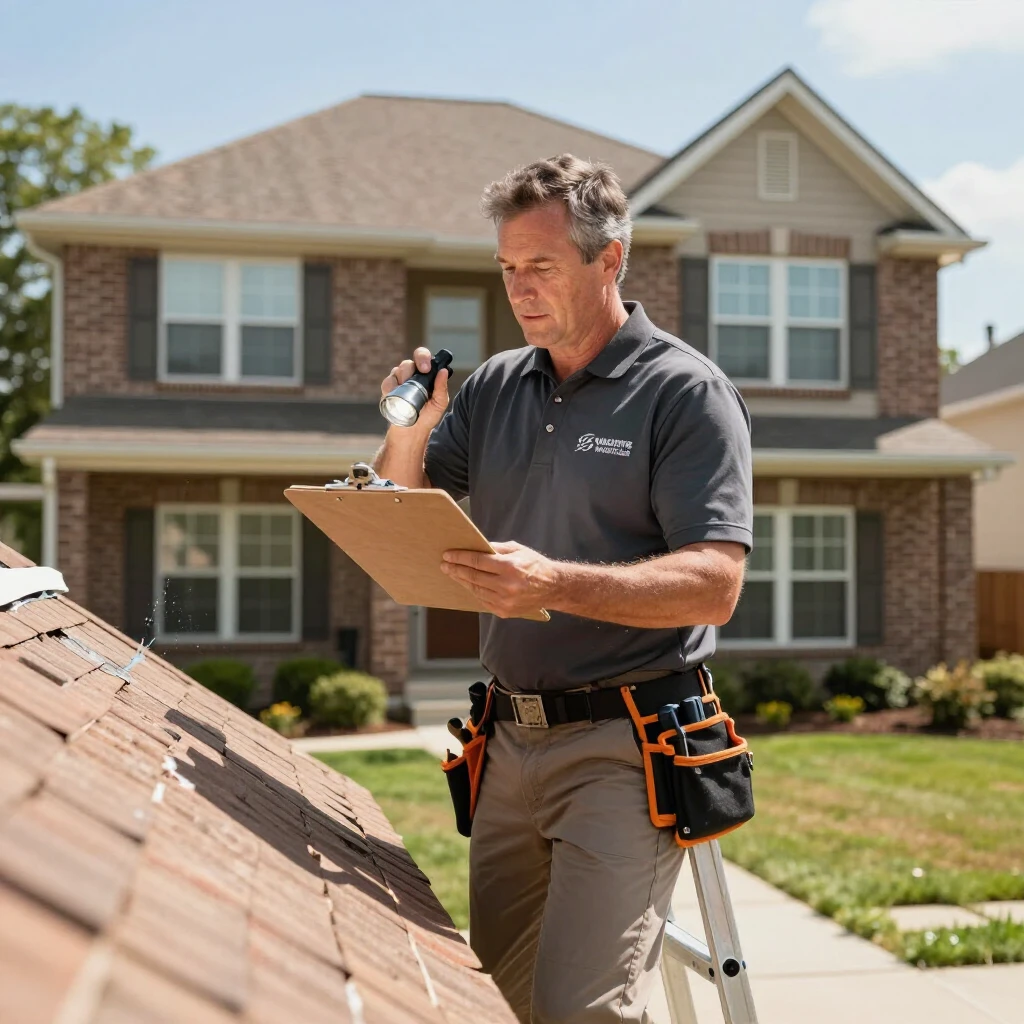
A standard home inspection lasts 2–4 hours, depending on the size and age of the home.
You should attend. Walking alongside the inspector lets you see issues firsthand and ask questions in real time.
The inspector examines: - Roof – shingles, flashing, chimneys, gutters - Exterior – siding, windows, doors, grading, drainage - Foundation & Structure – cracks, settling, water intrusion - Plumbing – pipes, fixtures, water heater, drainage - Electrical – panel, wiring, outlets, GFCI protection - HVAC – furnace, air conditioner, ductwork - Interior – walls, ceilings, floors, stairs, appliances - Attic & Crawl Space – insulation, ventilation, pests, leaks
They use tools like moisture meters, infrared cameras, and drones for roofs when needed.

The Home Inspection Report
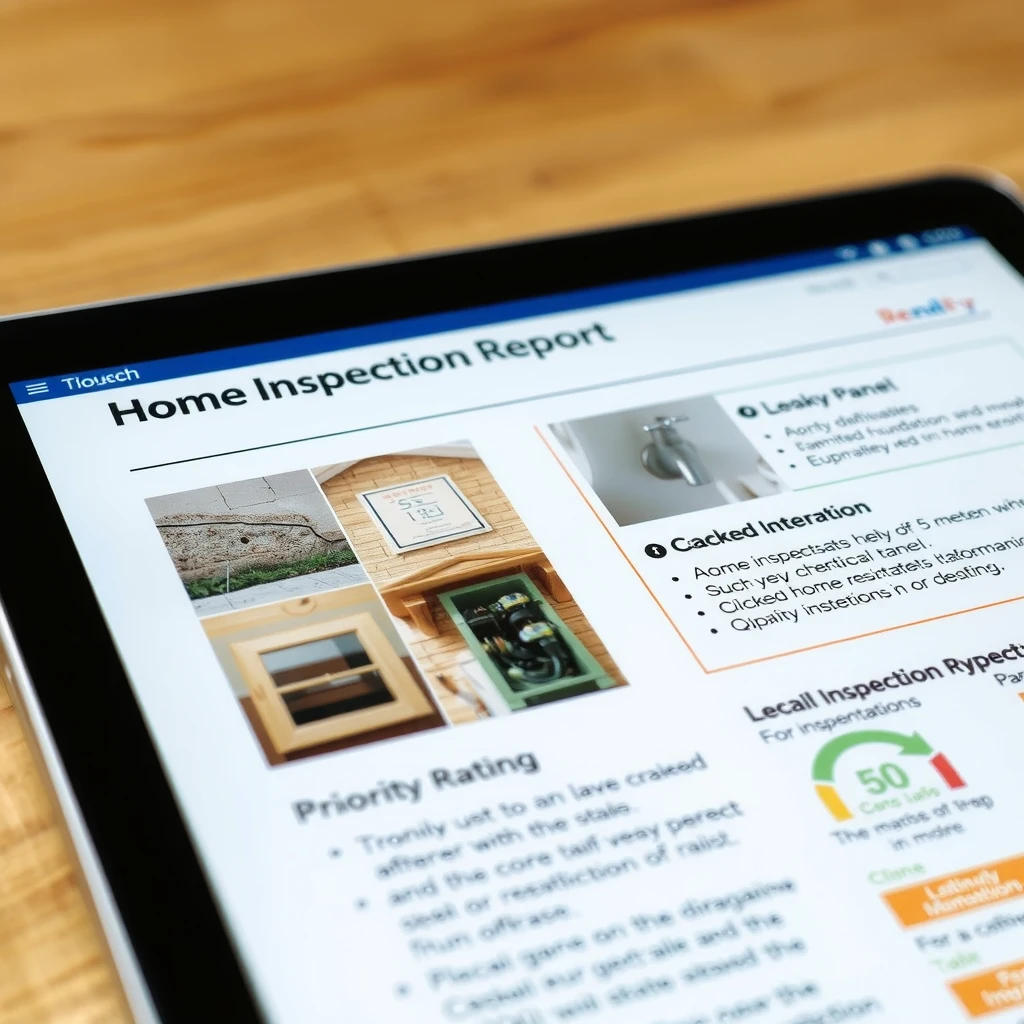
You'll usually receive the report within 24–48 hours. Modern reports are digital, with photos, videos, and clear descriptions of findings.
Findings are categorized as: - Major defects – items that affect safety or cost $1,000+ to fix - Minor issues – cosmetic or small maintenance items - Safety concerns – missing GFCI outlets, loose railings, etc. - Recommendations – future maintenance suggestions
Read the summary first, then the details. Don't panic over long lists—many items are routine maintenance.
What to Do After Receiving the Report
You have several options: 1. Request repairs – Ask the seller to fix major items before closing. 2. Request a credit – Get money back at closing to cover repairs yourself. 3. Accept as-is – If issues are minor and you're comfortable. 4. Walk away – If problems are severe and the seller won't budge (you usually get your earnest money back).
Work closely with your real estate agent to craft a reasonable request. Over-asking can jeopardize the deal.
Home Inspection vs. FHA Appraisal
Many buyers confuse the two, but they serve different purposes.
| Aspect | Home Inspection | FHA Appraisal |
|---|---|---|
| Purpose | Discover condition for buyer's knowledge | Determine value and safety for lender |
| Who orders | Buyer | Lender (required for FHA mortgage) |
| Who pays | Buyer | Buyer (rolled into closing costs) |
| Scope | Thorough, every system | Value + minimum property standards |
| Report goes to | Buyer only | Lender, stays with property for 6 months |
| Optional? | Strongly recommended | Required for FHA loan |
Steps for a successful FHA appraisal: - Clear peeling paint (especially pre-1978 homes) - Ensure working smoke and carbon monoxide detectors - Fix broken windows, missing handrails, and tripping hazards - Provide clear access to attic and crawl space - Repair leaking roofs and major plumbing issues
The appraiser flags health and safety issues that must be corrected before closing.
Tips for First-Time Home Buyers
- Budget $400–$700 for the inspection (varies by region and home size).
- Consider additional specialist inspections (radon, sewer scope, chimney, pool) if relevant.
- Don't rely solely on the appraisal for condition—always get a separate inspection.
- Bring a checklist and take notes/photos during the inspection.
- Review the seller's disclosure carefully and compare it to inspection findings.
The process feels intense, but it empowers you to buy with confidence.
Final Thoughts
The home inspection process is your best protection when buying a home. By understanding what to expect, attending the inspection, and reviewing the report carefully, you avoid costly surprises. For those using an FHA mortgage, pairing a thorough inspection with a successful FHA appraisal ensures both your peace of mind and the lender's requirements are met.
Take your time, ask questions, and trust the process—you're making one of the biggest decisions of your life, and doing it right matters.
(Word count: ~1,520)


