If you're a homeowner looking to tap into your property's value, a home equity loan can provide funds for big expenses. This guide helps you choose the best option by covering key factors, pros and cons, and alternatives like FHA refinancing. Let's dive in to make an informed decision.
What Is a Home Equity Loan?
A home equity loan lets you borrow money using your home as security. You get a lump sum based on the equity you've built up, which is your home's value minus what you still owe on your mortgage. You pay it back over time with fixed monthly payments, usually at a fixed interest rate.
Many people use these loans for home fixes, paying off high-interest debt, or covering school costs. But it's key to pick the right one to fit your needs and avoid risks.

Navigating Home Equity: What You Need to Know
Before jumping in, figure out your home equity. Subtract your current mortgage balance from your home's market value. For example, if your home is worth $400,000 and you owe $200,000, you have $200,000 in equity.
Lenders often let you borrow up to 80% of that equity, but you need at least 20% equity left in your home to qualify. Check your credit score too – aim for 680 or higher for better rates. Your debt-to-income ratio should stay below 43%.
Use online tools from sites like Bankrate to estimate what you can borrow. Shop around early to see what's out there.
Know the difference between a home equity loan and a HELOC. A loan gives you all the money at once with fixed payments. A HELOC acts like a credit card – you draw what you need, but rates can change.
Think about why you need the money. For one-time costs like a kitchen remodel, a loan works well. For ongoing needs, consider a HELOC.
Understanding Home Equity Loans: Pros and Cons
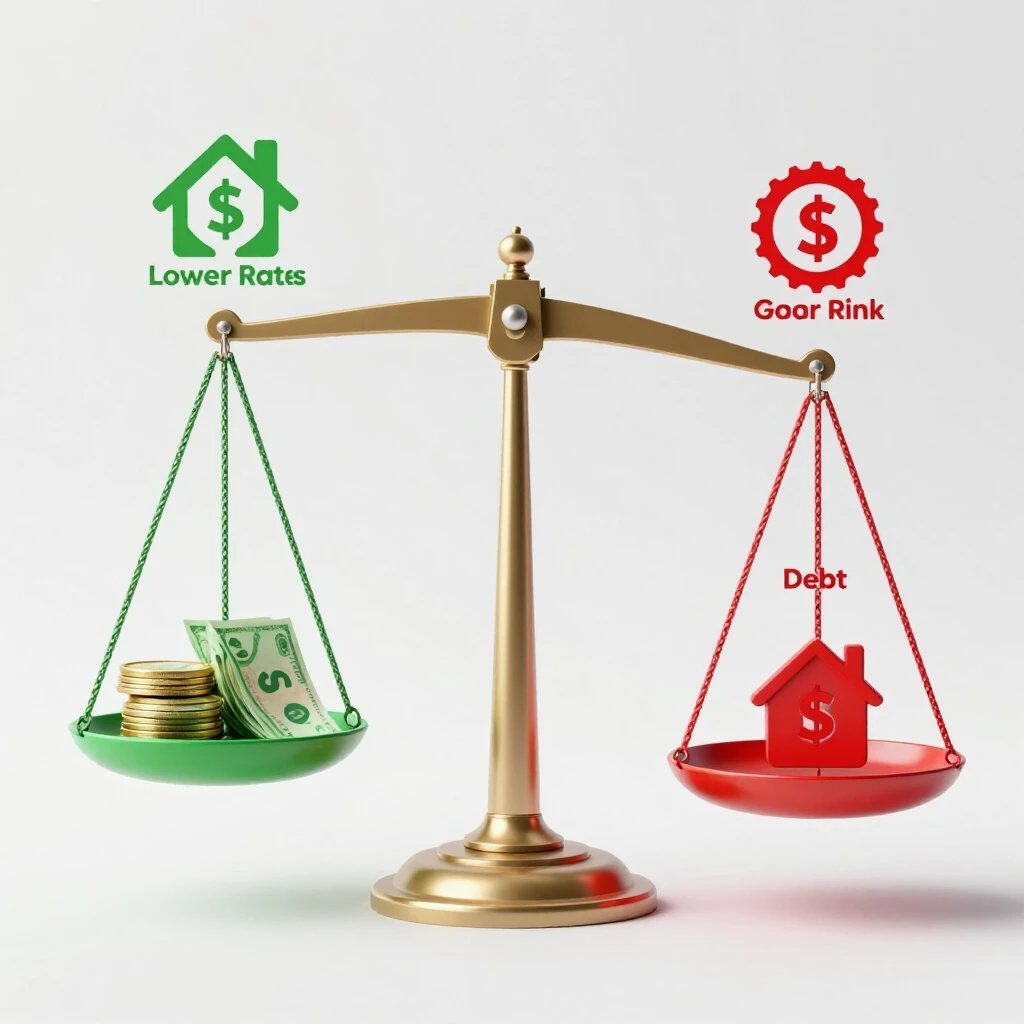
Home equity loans have upsides and downsides. Weigh them carefully to decide if one fits your situation.
Pros
- Fixed rates and payments: Your interest rate stays the same, so monthly bills don't surprise you. This helps with budgeting.
- Lower rates than other loans: Since your home backs the loan, rates beat credit cards or personal loans – often around 8-9% in 2026, per Money.com.
- Borrow big amounts: Access five or six figures based on your equity, great for major projects.
- Tax perks: Interest might be deductible if you use the cash for home improvements, says the IRS.
- Long terms: Spread payments over 5-30 years to keep them low.
Cons
- Risk of losing your home: Miss payments, and the lender could take your house through foreclosure.
- Extra fees: Closing costs run 2-5% of the loan, including appraisals ($300-800) and title searches.
- More debt: It adds a second payment on top of your mortgage, cutting your equity.
- Market risks: If home values drop, you might owe more than your house is worth.
- Tough to qualify: Need good credit, stable income, and enough equity.
A table can help compare:
| Aspect | Pro | Con |
|---|---|---|
| Rates | Lower than unsecured debt | Higher than primary mortgages |
| Payments | Fixed and predictable | Adds to existing bills |
| Risks | None if paid on time | Foreclosure possible |
| Flexibility | Lump sum for big needs | Can't borrow more easily |
From my view, the pros shine if you have a clear plan, but cons hit hard without steady income.
Key Factors to Consider When Choosing a Loan
To pick the best home equity loan, look at these elements:
-
Interest Rates: Compare fixed rates from lenders. In 2026, averages hover around 8.5%, but shop for lower. Check WSJ for current trends.
-
Fees and Costs: Watch for origination fees, appraisals, and prepayment penalties. Aim for lenders with low closing costs.
-
Loan Terms: Shorter terms mean higher payments but less interest overall. Longer ones ease monthly strain.
-
Lender Reputation: Go with trusted names like PNC or Connexus, as noted in Money.com. Read reviews and check for discounts if you bank there.
-
Your Credit and Equity: Stronger scores get better deals. Build equity by paying down your mortgage faster.
Get quotes from at least three lenders. Use tools like calculators to see total costs over time.
Personal tip: I once helped a friend compare rates and saved them 1% – that's thousands over 15 years.
Exploring Alternatives: Benefits of FHA Refinancing Programs
If a standard home equity loan doesn't fit, consider FHA refinancing. These government-backed options can access equity with more flexible rules.
FHA cash-out refinance lets you replace your mortgage with a bigger one and pocket the difference. You can borrow up to 80% of your home's value, even with credit as low as 600.
Key benefits: - Lower barriers: Easier for fair credit or higher debt ratios. - Competitive rates: Often 0.1-0.15% below conventional, plus low MIP at 0.55%. - Flexible uses: Cash for any need, like debt payoff or repairs. - Streamline option: For existing FHA loans, skip appraisals for quicker, cheaper refis to cut rates or payments.
Compared to regular home equity loans, FHA refinancing rolls everything into one payment, avoiding a second bill. But it requires living in the home for 12 months and on-time payments.
See FHA.com for details. It's great if your credit isn't perfect but you have equity built up.

Steps to Apply for a Home Equity Loan
Ready to move forward? Follow these steps:
-
Check Your Equity and Credit: Get a free credit report and appraise your home informally.
-
Shop Lenders: Compare rates and terms online or in person.
-
Gather Documents: Prepare pay stubs, tax returns, bank statements, and mortgage info.
-
Apply: Submit your application; expect underwriting to take 2-6 weeks.
-
Close and Get Funds: Pay fees at closing, then receive your lump sum.
Avoid common pitfalls like borrowing too much. Only take what you need.
In my experience, starting with your current bank sped things up for a relative who needed quick funds for repairs.
Personal Insights and Tips
I've seen friends use home equity loans wisely – one consolidated debt and saved on interest, boosting their savings. But another overborrowed for a vacation and struggled with payments. Key lesson: Treat it like serious debt.
Build a buffer for emergencies. If rates rise, as they might in 2026 per CBS News, refinance if possible.
For FHA refinancing, it helped a colleague with okay credit get cash without high rates. Always consult a financial advisor for your situation.
Wrapping Up
Choosing the best home equity loan means balancing needs with risks. Calculate your equity, weigh pros and cons, and explore FHA options for flexibility. With careful planning, it can boost your finances without headaches. Remember, your home is on the line – borrow smartly.


