Applying for a mortgage online has become the easiest and fastest way to buy a home in 2026. You can complete most of the process from your couch, compare rates instantly, and often get approved in days instead of weeks. This guide breaks down the essential steps to apply for a mortgage online, with real-world tips to help you avoid common pitfalls.

Step 1: Check Your Credit Score and Report
Your credit score plays a huge role in the interest rate you qualify for. Before you start the steps to apply for a mortgage online, pull your free credit reports from AnnualCreditReport.com and check your scores.
A score above 740 usually gets you the best rates. If your score is lower, take a few months to pay down debt and fix any errors. I’ve seen friends improve their scores by 50–80 points in six months just by correcting mistakes and lowering credit card balances.
Step 2: Figure Out How Much House You Can Afford
Use an online mortgage calculator to estimate your monthly payment, including principal, interest, taxes, and insurance (PITI). Most experts recommend keeping your housing costs under 28% of your gross monthly income.
Don’t forget to factor in closing costs (typically 2–5% of the home price) and ongoing expenses like maintenance. Being realistic here prevents disappointment later.
Step 3: Get Pre-Approved Online
Pre-approval shows sellers you’re a serious buyer and helps you shop confidently. Many lenders, including fully digital ones like Rocket Mortgage, Better Mortgage, and services such as MGS Mortgage Services or MGS Mortgage, let you complete pre-approval entirely online in minutes.
You’ll enter basic income, asset, and debt information. The lender performs a soft credit check and issues a pre-approval letter. This step is free and doesn’t commit you to that lender.
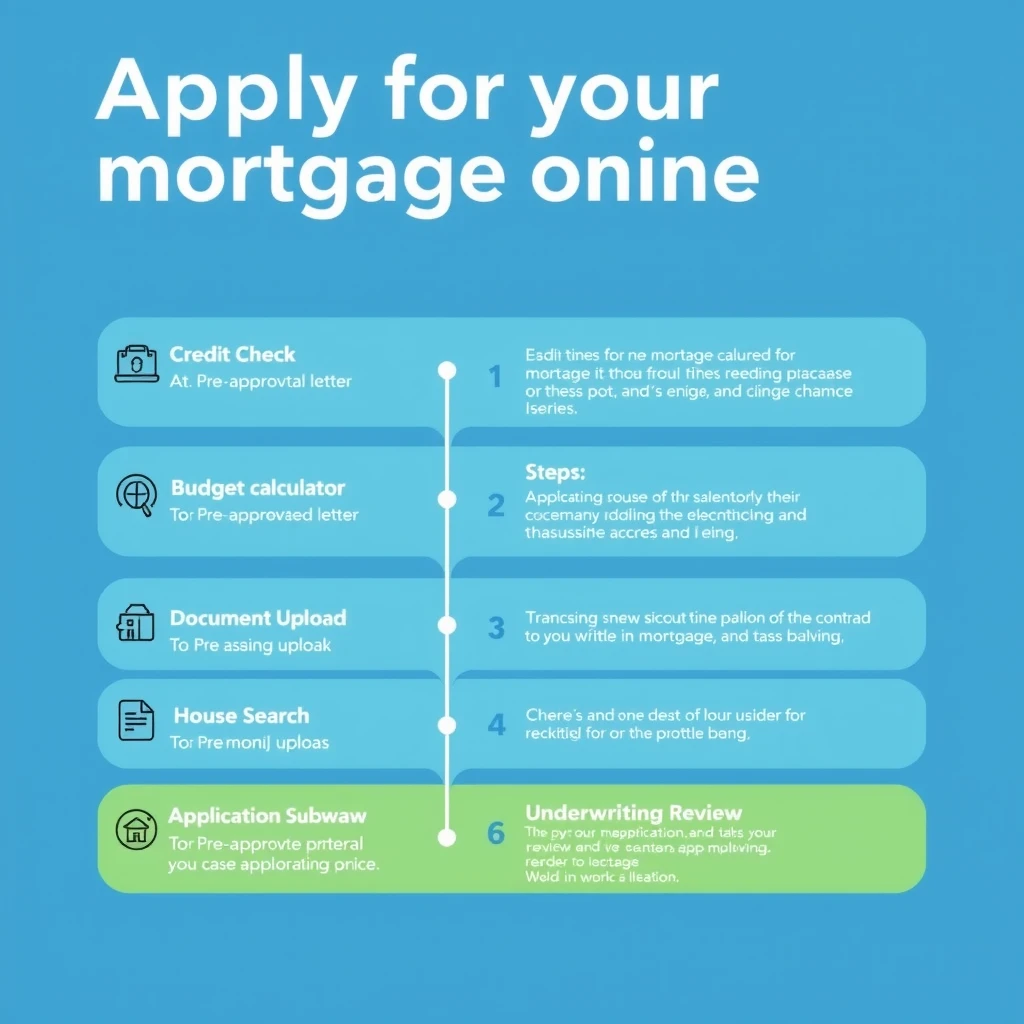
Step 4: Shop and Choose an Online Lender
Compare at least three lenders. Look at interest rates, fees, customer reviews, and how digital their process is. Popular online options in 2026 include Rocket Mortgage, Better Mortgage, Ally Bank, and specialized services like MGS Mortgage.
Read recent reviews on trusted sites and check for any complaints with the Consumer Financial Protection Bureau.
Step 5: Gather Your Documents Early
Online applications move fast, so have these ready to upload:
- Last two years of W-2s or 1099s
- Recent pay stubs (30–60 days)
- Two months of bank statements
- Tax returns (two years)
- Photo ID
- Proof of assets (retirement accounts, etc.)
According to the Consumer Financial Protection Bureau, lenders need this information to verify your income and assets.
Step 6: Submit Your Full Application Online
Once you’re under contract on a home, go to your chosen lender’s website and start the official application. You’ll fill out the Uniform Residential Loan Application (Form 1003) digitally.
Upload your documents through their secure portal. Most platforms guide you step by step and let you save progress. Double-check everything — small errors can delay processing.
Step 7: Lock Your Interest Rate and Wait for Underwriting
After submission, the lender orders an appraisal (you’ll pay $400–$800) and sends your file to underwriting. This is where they verify everything.
Stay responsive. Underwriters often request additional documents quickly. Clear communication here can shave days off the timeline.
The Federal Housing Finance Agency offers a helpful step-by-step overview of what happens from application to closing.
Step 8: Review Closing Disclosure and Close
Three days before closing, you’ll receive the Closing Disclosure. Compare it carefully to the initial Loan Estimate. If anything looks off, ask questions immediately.
Most online lenders now offer remote online notarization (RON), so you can sign documents electronically from anywhere.

Common Mistakes to Avoid
- Skipping pre-approval and shopping with an unrealistic budget
- Opening new credit accounts during the process
- Not reading the fine print on rate locks or fees
- Ignoring emails or document requests from your lender
I’ve watched buyers lose their dream home because they didn’t respond quickly to an underwriter’s request.
Final Thoughts
Following these steps to apply for a mortgage online can make home buying smoother and less stressful than ever. Start early, stay organized, and don’t hesitate to ask your loan officer questions — that’s what they’re there for.
With preparation and the right digital lender, you could go from application to keys in hand in as little as 21–30 days. Good luck on your home-buying journey!


