Overview
Financial analysis for mortgage professionals forms the backbone of successful loan origination and client advising. In this guide, we explore how mastering these skills helps you evaluate borrower finances accurately, spot risks early, and match clients with suitable mortgage options. (38 words)

Financial analysis isn't just about crunching numbers—it's about understanding a client's full financial picture to guide them toward homeownership.
As a mortgage professional, you review income, debts, credit history, and assets. This process determines if a borrower qualifies for a loan and what terms they can afford.
I've seen firsthand how thorough analysis prevents deals from falling through. One client had irregular income from freelancing. By digging into their tax returns and bank statements, I structured the loan around proven earnings, turning a potential denial into an approval.
Why Financial Analysis Matters
Strong analysis skills build trust with clients and lenders. You identify red flags early, like high debt levels, and suggest fixes, such as paying down credit cards before applying.
Lenders rely on your assessments. Accurate analysis speeds up approvals and reduces risks for everyone involved.
Top Skills Every Mortgage Broker Should Master
Here are the core abilities that set successful brokers apart:
1. Calculating Key Ratios
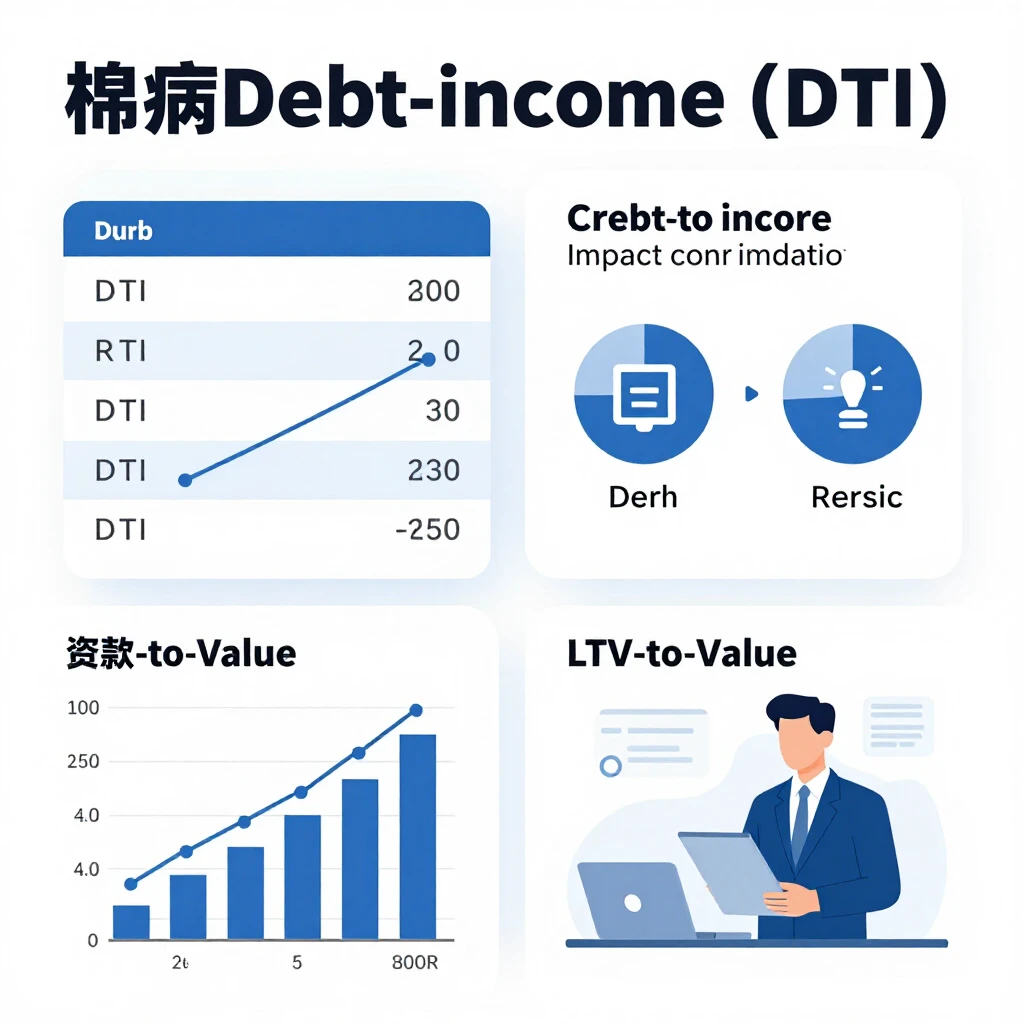
Debt-to-income (DTI) ratio is king. Add up monthly debts and divide by gross income. Most lenders prefer under 43%.
Front-end DTI focuses on housing costs alone, ideally below 28%.
| Ratio | What It Measures | Ideal Range |
|---|---|---|
| Debt-to-Income (DTI) | Total debts vs. income | Under 43% |
| Front-End DTI | Housing costs vs. income | Under 28% |
| Loan-to-Value (LTV) | Loan amount vs. home value | 80% or less to avoid PMI |
2. Interpreting Credit Reports
Pull reports from all three bureaus. Look for late payments, high utilization, or errors. Explain impacts simply to clients and guide improvements.
3. Verifying Income and Assets
For salaried clients, use W-2s and pay stubs. Self-employed? Dive into tax returns and profit/loss statements. Always confirm reserves for down payments.
4. Risk Assessment
Spot patterns that raise flags, like frequent job changes or large undocumented deposits. Propose solutions to strengthen applications.
These top skills every mortgage broker should master turn complex data into clear recommendations.
Mortgage Broker Qualifications and Certifications
To practice legally, complete 20 hours of NMLS-approved pre-licensing education. Then pass the SAFE Mortgage Loan Originator exam with at least 75%.
Many states require experience, background checks, and surety bonds.
Optional certifications boost credibility: - General Mortgage Associate (GMA) for newcomers - Certified Residential Mortgage Specialist (CRMS)
Continuing education keeps you updated on regulations.

For specialized services like MGS mortgage options, deeper knowledge of niche products helps. Providers like MGS Mortgage Broker offer tailored solutions for unique borrower needs.
Building Long-Term Success
Stay current with market trends. Network with real estate agents and lenders. Use tools like loan origination software for efficient analysis.
Communicate findings clearly. Clients appreciate when you explain why a certain loan fits their situation.
In my experience, the best professionals combine sharp analysis with empathy. You not only secure loans—you help families achieve dreams.
Summary
Mastering financial analysis for mortgage professionals leads to better outcomes for clients and stronger business growth. Focus on key ratios, credit review, and ongoing learning to stand out.
Start honing these skills today for lasting success in the mortgage industry.


