Overview
FHA loans make homeownership accessible with low down payments and flexible credit rules. But they come with specific costs like mortgage insurance that you need to understand upfront. This guide breaks down those expenses clearly so you can plan better.

FHA loans, backed by the Federal Housing Administration, help many people buy homes who might not qualify for conventional mortgages. You can put down as little as 3.5% and have a lower credit score.
I've seen friends use FHA mortgages to get their first house faster. One couple I know closed on their home with just 3.5% down – something impossible with most other loans.
The Main Costs You’ll Face
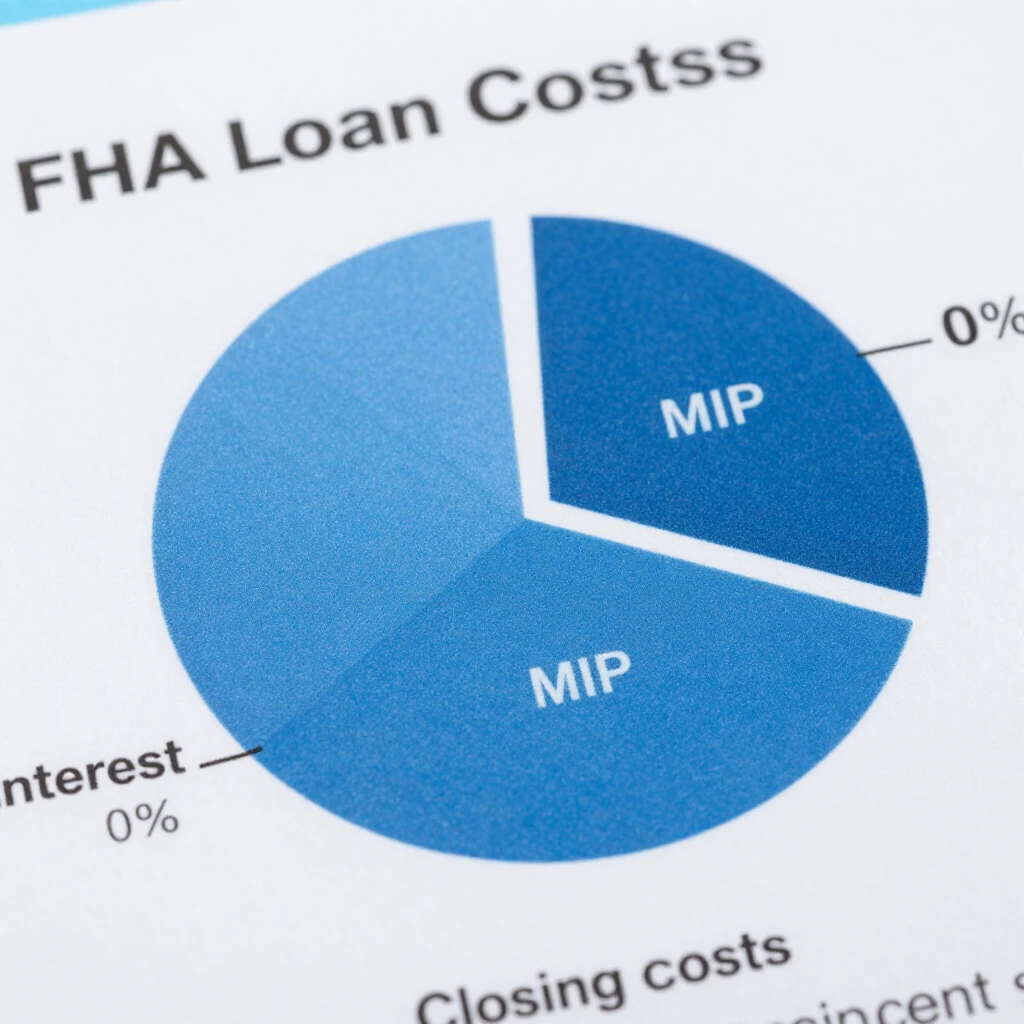
The biggest unique cost with an FHA mortgage is mortgage insurance. Unlike conventional loans, FHA requires it on every loan to protect the lender if you default.
There are two types:
- Upfront Mortgage Insurance Premium (UFMIP): Usually 1.75% of the loan amount. You pay this at closing or roll it into your loan.
- Annual Mortgage Insurance Premium (MIP): Paid monthly, typically 0.55% of the loan amount per year for most borrowers in recent years.
According to the U.S. Department of Housing and Urban Development (HUD), these premiums help keep FHA loans available with low down payments. Check their official page for the latest details on FHA loans and how they work.
For example, on a $300,000 loan:
- UFMIP: About $5,250
- Annual MIP: Around $137 per month (at 0.55%)
The annual MIP lasts the life of the loan if your down payment is less than 10%. With 10% or more, it drops off after 11 years.
Closing Costs and Other Fees
Like any mortgage, FHA loans have closing costs: appraisal, title insurance, origination fees, and more. These typically run 2-5% of the home price.
The good news? Sellers can pay up to 6% of these for you, which helps a lot.
The Consumer Financial Protection Bureau (CFPB) explains that FHA loans often have lower closing costs overall compared to other options for similar borrowers. See their guide on comparing FHA loans.
Interest rates on FHA loans are usually competitive, sometimes lower than conventional if your credit isn't perfect.
How Refinancing Affects Costs
Many people start with an FHA loan and later do an FHA refinance to remove the MIP once they have 20% equity.
The FHA refinance process explained: Options like streamline refinance require little paperwork and can lower your rate or remove insurance.
HUD details the streamline refinance, which simplifies switching your existing FHA mortgage. Learn more on their streamline refinance page.
In my experience, refinancing out of FHA MIP saved one family over $100 a month once home values rose.
Tips to Manage FHA Loan Costs
Here are actionable steps:
- Shop multiple lenders – rates and fees vary.
- Consider paying UFMIP upfront if you can for lower overall interest.
- Build equity fast with extra payments to shorten MIP duration.
- Plan for refinance when you hit 20% equity.
| Cost Type | Typical Amount | How Paid |
|---|---|---|
| Upfront MIP | 1.75% of loan | Closing or financed |
| Annual MIP | 0.55% yearly (common rate) | Monthly with payment |
| Closing Costs | 2-5% of home price | At closing |
| Interest Rate | Competitive, varies | Over loan term |
Understanding the costs associated with FHA loans helps you avoid surprises. While MIP adds expense, the low entry barriers often make it worthwhile for first-timers.

Talk to lenders early and run numbers. FHA can be a smart step into homeownership if you plan ahead.
Final Thoughts
FHA loans open doors for many buyers. The costs, mainly insurance premiums, are the trade-off for easier qualification. With smart choices, like timely refinancing, you can minimize long-term expenses and enjoy your home sooner.


