Quick Overview
Refinancing your mortgage can save you thousands if done at the right time. This guide explains when to refinance your mortgage, key factors to consider, and special options like the FHA streamline refinance explained for easier savings. As of late 2025, with rates in the low-to-mid 6% range, many homeowners find opportunities to lower payments.

Refinancing means replacing your current mortgage with a new one, usually to get a better interest rate or different terms. I've seen many friends and clients save big by refinancing when rates drop, but timing matters a lot.
The big question is: when does it make sense for you?
Signs It's Time to Refinance
Here are the main reasons homeowners refinance:
- Your interest rate dropped significantly — A drop of 0.5% to 1% often justifies the costs.
- You want lower monthly payments — Switch to a longer term or better rate.
- You need to shorten your loan — Pay off faster and save on interest.
- You have an adjustable-rate mortgage (ARM) — Switch to fixed for stability.
- You built substantial equity — Remove private mortgage insurance (PMI).
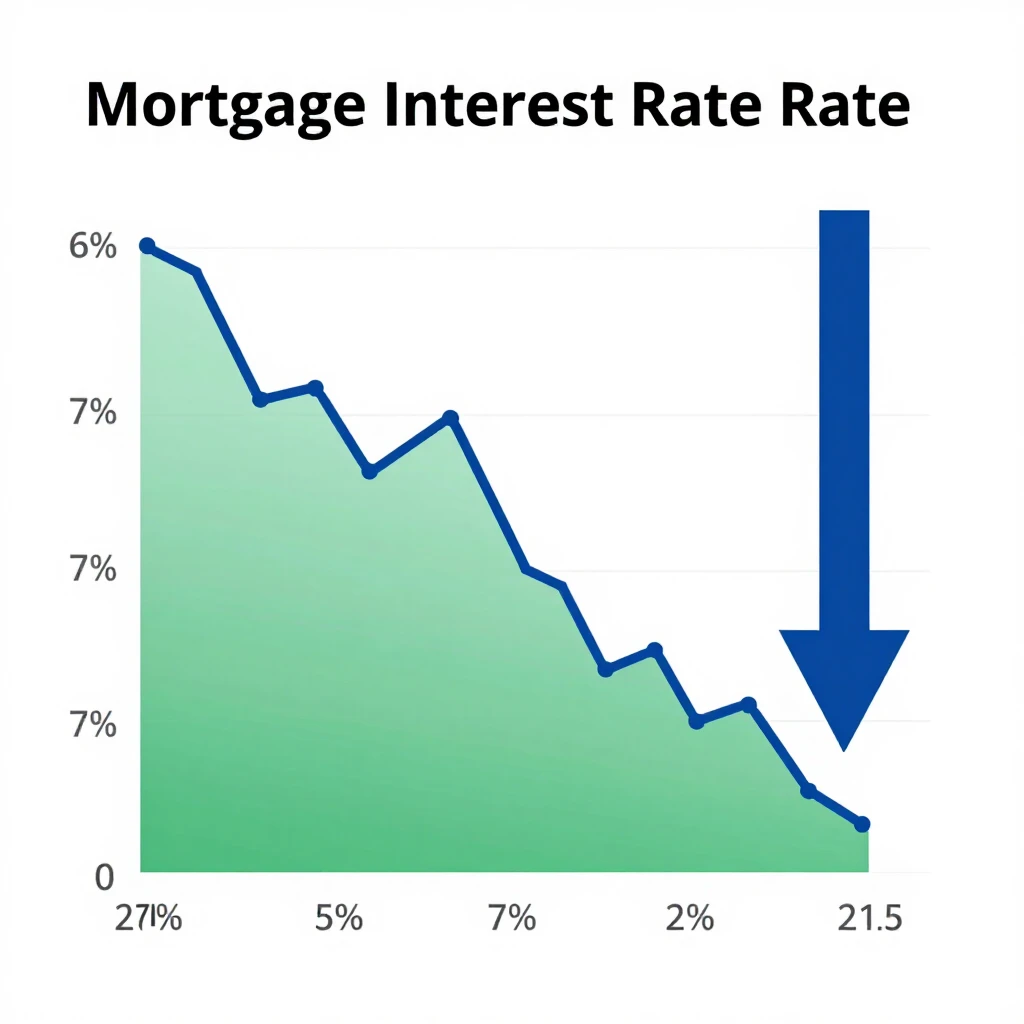
In late 2025, average 30-year refinance rates hover around 6.2%, down from higher points earlier in the year. If your current rate is above 7%, now could be a good moment.
Current Mortgage Rate Trends
Rates have trended downward in 2025 thanks to Federal Reserve actions. This creates opportunities for many borrowers.
Check your current rate against today's averages. Even a 0.5% difference on a $300,000 loan can save hundreds monthly.
The Break-Even Point: Key Calculation
Refinancing costs money — typically 2% to 5% of your loan amount in closing costs.
Use this simple rule: Divide your closing costs by your monthly savings. That gives your break-even period.
Example: - Closing costs: $6,000 - Monthly savings: $200 - Break-even: 30 months
If you plan to stay in your home longer than that, refinancing usually pays off. I always tell people to run this math first — it's the most practical step.
Special Option: FHA Refinance Programs
If you have an fha mortgage, you get easier paths. The FHA streamline refinance explained is a favorite for many.
FHA streamline refinance lets you lower your rate with minimal paperwork. No new appraisal, no income verification in many cases, and often no credit check. You just need to show a net tangible benefit, like lower payments.
Requirements include: - Existing FHA loan - At least 210 days and 6 payments made - Good payment history
This makes FHA refinance faster and cheaper than standard options. Many borrowers I've known closed in weeks and saved immediately.
When NOT to Refinance
Avoid refinancing if: - You plan to move soon (less than 2-3 years) - Costs exceed savings - Your credit needs work (higher rates possible) - Rates are similar or higher than yours
Also, if you locked in a very low rate years ago, waiting might be smarter.

Steps to Get Started
- Check your current mortgage details (rate, balance, term).
- Compare today's rates from multiple lenders.
- Calculate break-even and total savings.
- Gather documents (especially for FHA refinance).
- Talk to a trusted lender.
Shop around — rates and fees vary.
Final Thoughts
Refinancing can be a smart financial move when rates drop, your situation changes, or you qualify for programs like the FHA streamline refinance. Always do the math and consider your long-term plans.
With rates stabilizing in the low 6% range in late 2025, many homeowners find real value. Review your options today — it could mean more money in your pocket every month.


