Overview
FHA loan appraisal requirements ensure homes meet safety and value standards for FHA mortgages. This guide covers the key guidelines, helping buyers navigate the process smoothly.
What Is an FHA Loan and Why Does It Need an Appraisal?
An FHA loan helps people buy homes with lower down payments and flexible credit rules. The Federal Housing Administration backs these loans, making them popular for first-time buyers.
But every FHA mortgage requires an appraisal. This step checks if the home is worth the loan amount and safe to live in. Appraisers look at the property's condition and compare it to similar homes nearby.
Think of it as a double check. It protects you from overpaying and ensures the house won't fall apart soon. From my talks with real estate pros, skipping this could lead to big repair bills later.
The appraisal differs from a home inspection. Inspections dig deeper into issues, while appraisals focus on value and basic safety. Still, many buyers get both for peace of mind.

The FHA Appraisal Process: Step by Step
First, your lender orders the appraisal after you apply for an FHA loan. They pick from a list of approved appraisers who know FHA rules.
The appraiser visits the home, usually within a week. They inspect inside and out, take photos, and measure rooms. This visit lasts about an hour for most homes.
Next, they research similar sales in the area. Called comparables or 'comps,' these help set the home's value. The report goes back to the lender in a few days.
If the value matches or beats the sale price, great! If not, you might renegotiate or walk away. Appraisals last 120 days but can extend to 180.
Costs run $300 to $600, paid by the buyer. In hot markets, I've seen appraisals come in low, forcing sellers to drop prices. It's all part of balancing risk for FHA loans.
Key FHA Loan Appraisal Requirements
FHA sets strict standards for properties. These fall into three main areas: safety, security, and soundness. The home must meet Minimum Property Requirements (MPR) and Minimum Property Standards (MPS).
Safety means no hazards that could hurt people. Security protects the property from damage. Soundness ensures the structure lasts.
Appraisers check for working utilities like electricity and water. The roof must not leak, and the foundation should show no cracks. No peeling paint in older homes due to lead risks.
For manufactured homes, extra rules apply. They need a permanent foundation and HUD labels. Condos must be in approved projects with stable finances.
Here's a quick checklist of common FHA loan requirements during appraisal:
- Exterior: Undamaged roof, foundation, and siding. Safe access to the property.
- Interior: Working heating, cooling, and plumbing. No broken windows or doors.
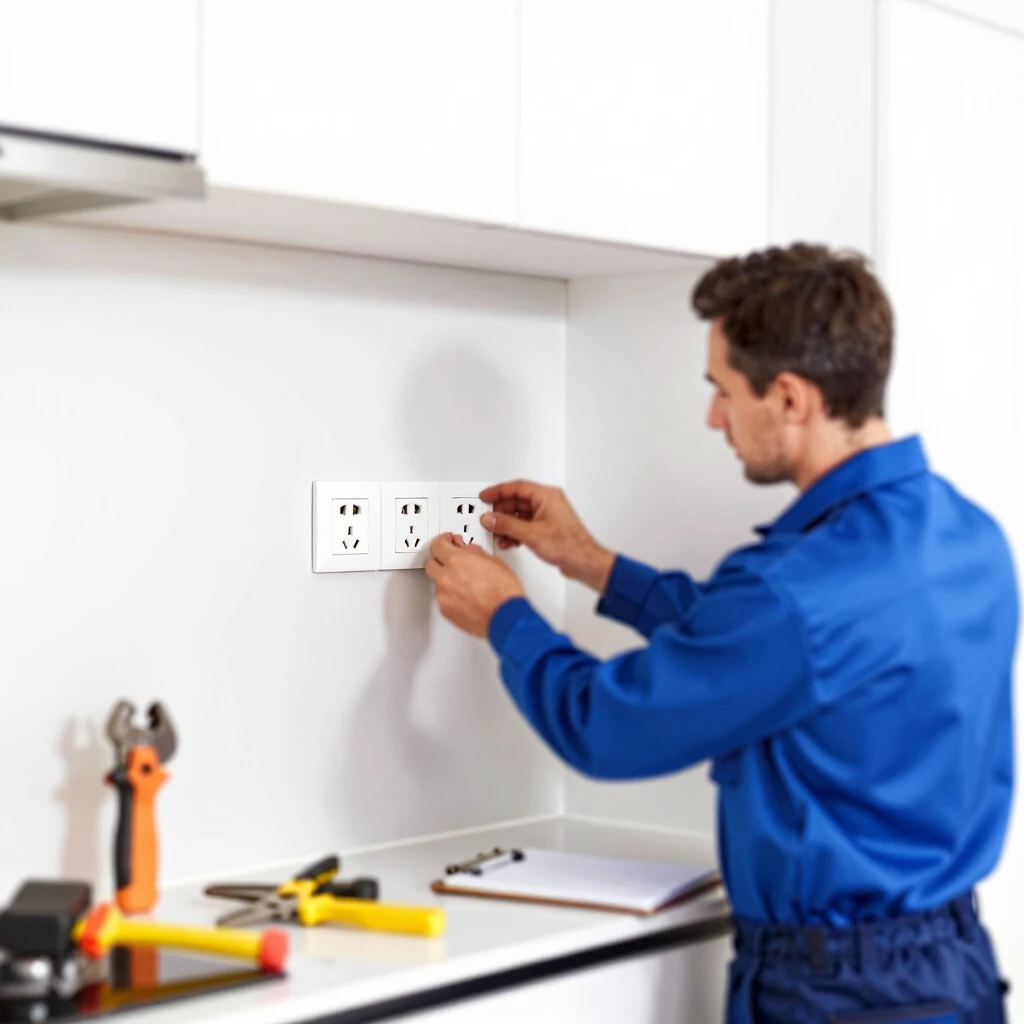
- Safety Features: Smoke detectors, handrails on stairs, and grounded outlets.
- Site: Proper drainage, no flood risks without insurance, and street access.
- Attic and Basement: No dampness, pests, or wiring issues.
If issues pop up, the appraiser notes them. Minor fixes like painting might not stop the loan, but big problems require repairs before closing.
According to the U.S. Department of Housing and Urban Development's appraisal guide, appraisers must use specific forms and inspect visually without testing systems.
Recent Updates to FHA Appraisal Rules
HUD keeps tweaking rules to promote fair lending. In 2024, they added ways for buyers to challenge low appraisals through Reconsideration of Value (ROV).
Now, you can submit up to five comps if you think the value is off. Lenders must respond quickly and can't charge you for it.
Appraisers also face stricter nondiscrimination rules. They can't base values on race, age, or other protected traits. This aims to reduce bias in housing.
From what I've heard from agents, these changes help in diverse neighborhoods where comps might not reflect true value. Check the HUD Mortgagee Letter on appraisal updates for full details.
Common Pitfalls and How to Avoid Them
One big issue: Low appraisals. If the home values below the offer, renegotiate or add cash. In my experience, preparing sellers upfront helps.
Older homes often fail on lead paint or outdated wiring. Get a pre-appraisal inspection to fix things early.
For new builds, appraisers check plans and progress. Ensure builders provide certifications.
Use this table to compare FHA vs. conventional appraisals:
| Aspect | FHA Appraisal | Conventional Appraisal |
|---|---|---|
| Focus | Value + Safety Standards | Mainly Value |
| Standards | MPR/MPS Required | Lender Discretion |
| Cost | $300-$600 | Similar |
| Validity | 120-180 Days | 120 Days Typical |
| Fixes | Mandatory for Safety | Optional |
Buyers, team up with experienced FHA lenders. They know how to handle snags.
Personal Insights from Real Experiences
I've spoken with buyers who breezed through FHA appraisals by choosing well-maintained homes. One couple fixed minor issues like loose handrails themselves, saving time.
Another story: A first-timer's dream home had attic vents missing. The seller covered repairs, and the loan closed on time. Preparation is key.
FHA mortgages open doors for many, but understanding appraisal requirements avoids surprises. Work with pros who guide you.
For more on FHA basics, see the Consumer Financial Protection Bureau's FHA loan overview.
Wrapping Up: Key Takeaways on FHA Loan Appraisal Requirements
FHA appraisals confirm value and safety for your mortgage. Meet standards in structure, utilities, and site to pass. Stay informed on updates for a smooth process.
With these insights, you're set to tackle your FHA loan journey confidently.


