Selling your home can feel overwhelming, but getting ahead of potential issues makes a big difference. This guide walks you through preparing your home for sale with a focus on the seller's inspection. By addressing problems early, you build buyer confidence and speed up the process. (38 words)
Why Consider a Seller's Pre-Inspection?
Many sellers skip a pre-inspection, but it gives you control. You uncover issues before buyers do and fix them on your terms. Studies show that 86% of home inspections find problems needing fixes, often in roofs, electrical systems, and windows.
I once sold a home without a pre-inspection. The buyer's inspector found electrical issues, leading to tough negotiations and a lower price. Learning from that, I now recommend sellers invest in their own inspection. It turns surprises into planned repairs.
According to the National Association of Realtors, common issues like roofing problems appear in nearly 20% of inspections. Fixing them upfront can prevent deals from falling through.
Key Areas Inspectors Check
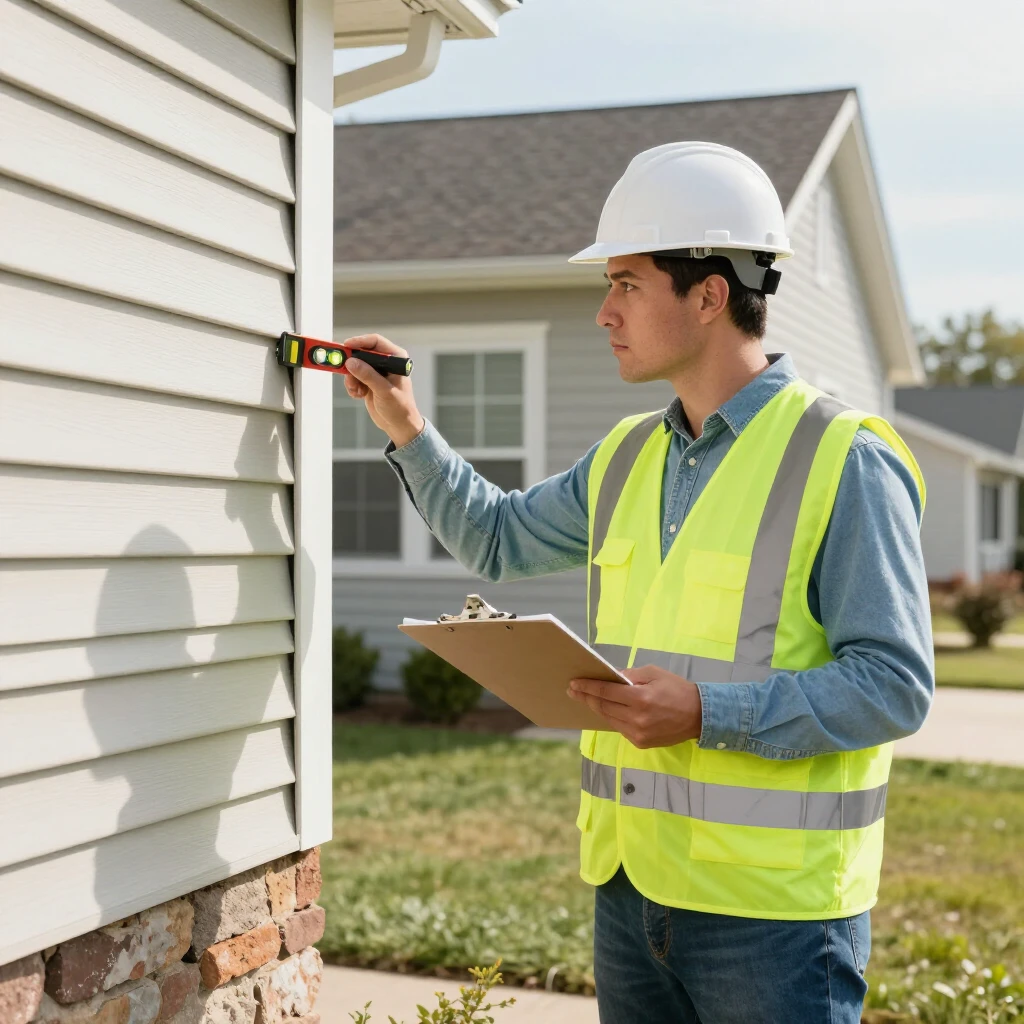
Inspectors examine everything from the roof to the foundation. Here are the most common problem areas:
- Roof: Look for missing shingles, leaks, or wear. Problems show up in about 19.7% of inspections.
- Electrical: Outdated wiring or overloaded circuits appear in 18.7% of reports.
- Windows and Doors: Poor seals or damage affect energy efficiency in 18.4% of cases.
- Plumbing: Leaks, low pressure, or old pipes are frequent finds.
- HVAC: Dirty filters or malfunctioning systems need attention.
- Foundation: Cracks or water damage can scare buyers.
Clean and declutter to make access easy. Provide records of past repairs to show you've maintained the home well.
Step-by-Step Preparation Checklist
Start preparing weeks before listing. Follow this simple checklist:
- Exterior: Mow the lawn, trim bushes, clean gutters, and repair siding cracks.
- Interior Cleaning: Deep clean carpets, windows, and appliances.
- Declutter: Remove personal items and excess furniture for a spacious feel.
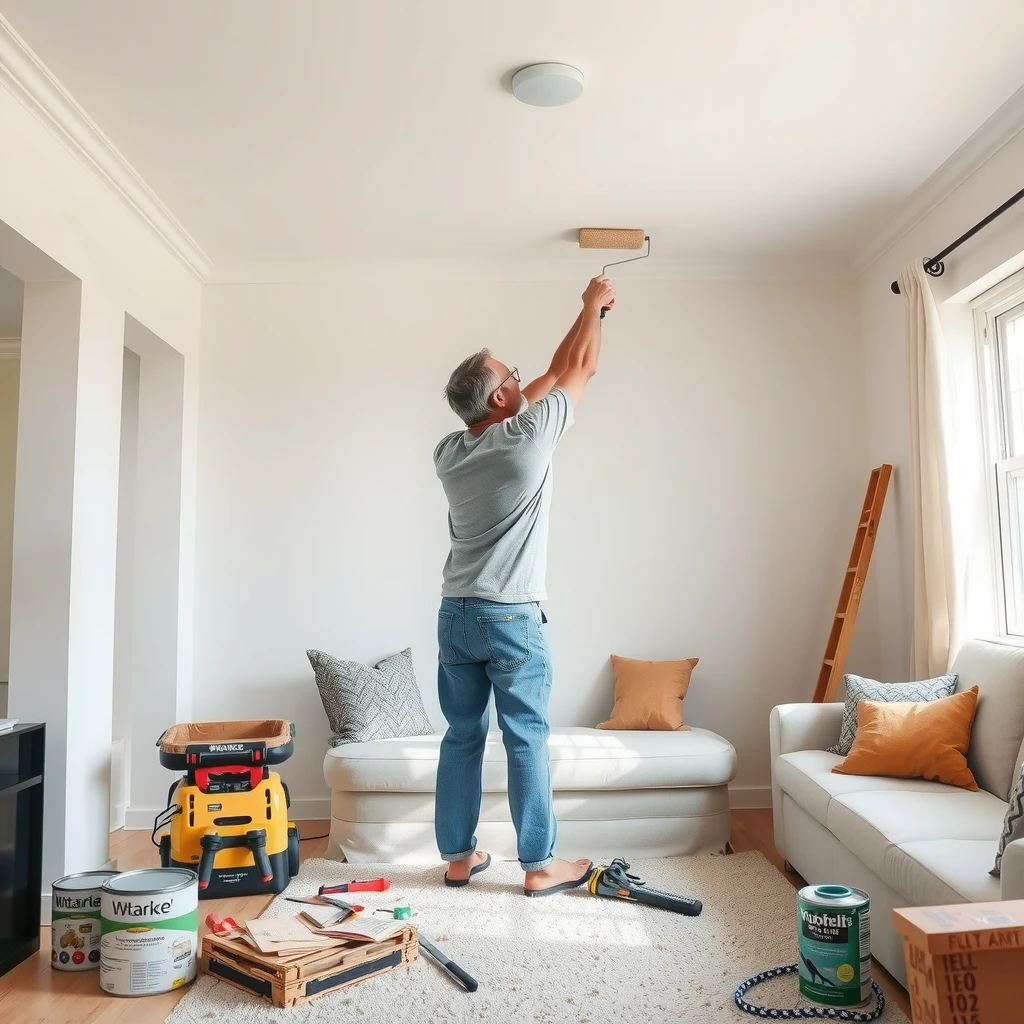
- Minor Repairs: Fix leaky faucets, replace burnt bulbs, and touch up paint.
- Safety Checks: Test smoke detectors, carbon monoxide alarms, and ensure handrails are secure.
- Utilities: Make sure all systems work and access points are clear for the attic, crawl space, and electrical panel.
Hire professionals for big jobs like roof repairs. Small efforts pay off in smoother inspections.
Navigating the Home Inspection Process
Even with preparation, buyers will order their own inspection. Stay calm and review the report carefully. You can negotiate repairs, offer credits, or sell as-is with price adjustments.
Disclose known issues honestly to avoid legal troubles later. Transparency builds trust.
For buyers using FHA loans, note that while FHA does not require a traditional home inspection, they do have property standards. An appraisal checks for safety and soundness, but encouraging a separate inspection helps everyone.
If you're a buyer reading this, remember the FHA loan application process involves an appraisal, not a full inspection. Always get your own to uncover hidden issues.
Boosting Buyer Appeal Beyond Inspection
A great inspection is key, but curb appeal and staging matter too. Fresh paint, updated fixtures, and professional photos attract more offers.
If planning to buy your next home, start early on finances. How to improve your credit score before applying for a mortgage includes paying bills on time and keeping balances low. According to the Consumer Financial Protection Bureau, aim for under 30% credit utilization.
Strong credit opens better rates in the FHA loan application or conventional loans.
Final Thoughts
Preparing your home for sale with a seller's inspection guide empowers you. Address issues proactively, communicate openly, and enjoy a faster, less stressful sale. You've built memories here—now make the transition smooth for the next owners.
By following these steps, you'll stand out in the market and close with confidence.


