Quick Overview
Your credit score plays a major role in determining the mortgage rate you receive. A higher score often means lower interest rates, saving you thousands over the life of your loan. In 2025, with average 30-year fixed rates around 6.2-6.7%, even small score improvements can make a big difference in affordability.
Why Credit Scores Matter for Mortgage Rates
Lenders use your credit score to judge how likely you are to repay the loan on time. A strong score shows responsibility, so lenders offer better rates. A lower score signals more risk, leading to higher rates.
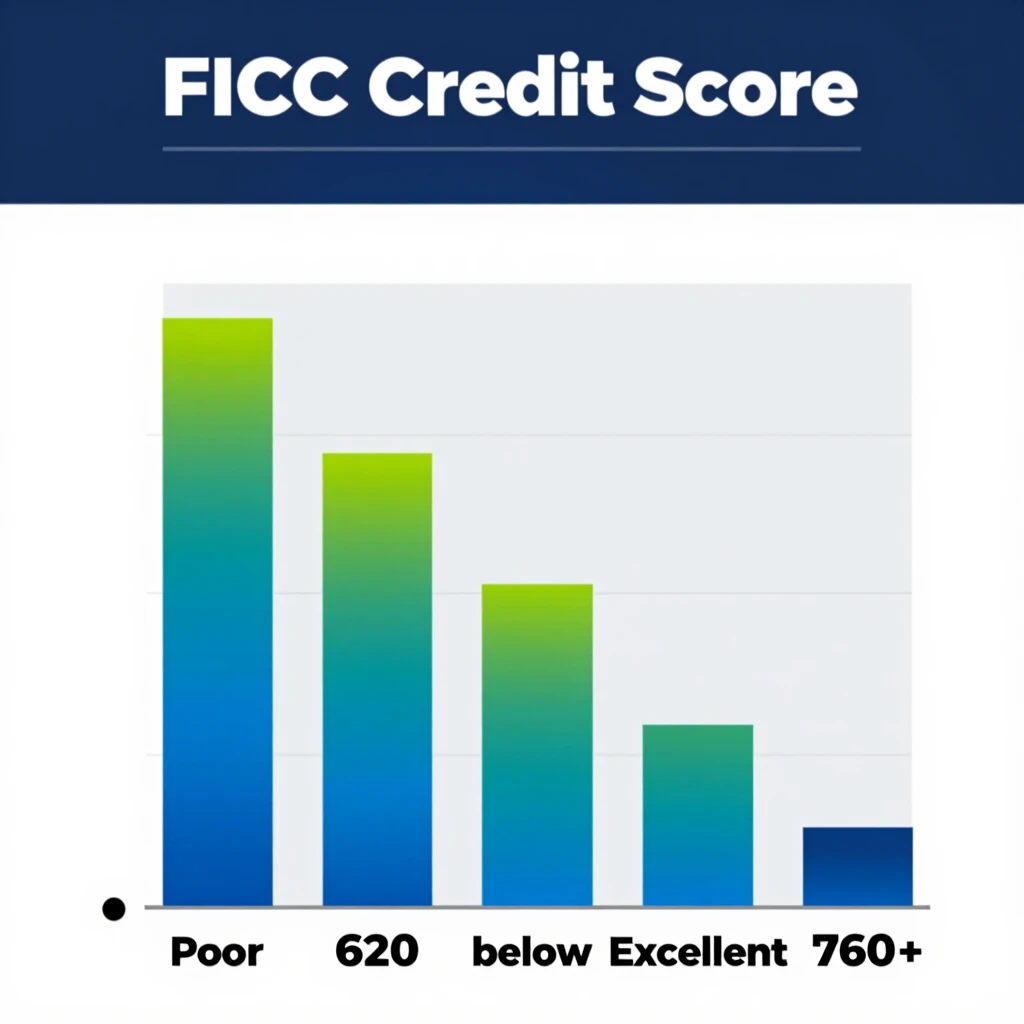
In 2025, national averages show clear differences. Borrowers with excellent credit (760+) often get the best rates, while those with fair credit pay more.
For example, on a $300,000 30-year fixed mortgage, a top-tier score might secure a rate near 6.5%, while a lower score could push it over 7.5%. This gap adds up to tens of thousands in extra interest.

How Much Can Your Score Change Your Rate?
Recent data highlights the real impact:
- 760+ (Excellent): Often the lowest rates, around 6.46% APR
- 700-759 (Good): Slightly higher, but still competitive
- 620-699 (Fair): Noticeably higher rates
- Below 620: Highest rates or limited options
Even jumping from fair to good can save hundreds monthly and tens of thousands overall. One study showed a score boost could reduce payments by over $150 monthly on a typical loan.
These differences come from lender risk assessments. Higher scores mean lower risk, so better terms for you.
Options When Your Score Needs Work: FHA Loans
If your credit isn't perfect, consider an FHA mortgage. These government-backed loans have more flexible requirements.
FHA loans often accept scores as low as 580 for a 3.5% down payment, or even 500 with 10% down. They make homeownership possible for many who might not qualify for conventional loans.
The FHA loan application process starts with finding an FHA-approved lender. You'll provide income, employment, and credit details. The lender handles the application, and the Federal Housing Administration insures the loan.
Many first-time buyers use FHA loans for their lower barriers. Rates may be competitive, and you can build credit while owning your home.

How to Improve Your Credit Score Before Applying for a Mortgage
Boosting your score takes time, but these steps work well:
- Pay all bills on time — Payment history is 35% of your score.
- Lower credit card balances — Keep utilization under 30%.
- Check your credit reports — Fix errors through AnnualCreditReport.com.
- Avoid new credit applications — Hard inquiries can drop your score temporarily.
- Keep old accounts open — Longer history helps.
Start 6-12 months before applying. Many people see 20-50 point gains with consistent effort.
From personal experience, focusing on these basics helped one buyer raise their score enough to drop their rate by nearly a full percentage point, saving over $50,000 in interest.
Final Thoughts
Your credit score directly shapes your mortgage costs. A better score means lower rates, easier approval, and more money in your pocket long-term.
Start checking your score today, make smart improvements, and explore options like an FHA loan application if needed. With planning, you can secure the best possible deal in today's market.


