Getting Started with Mortgage Basics - Freddie Mac
Buying a home is exciting, but understanding mortgages can feel overwhelming at first. This guide breaks down the essentials, including Freddie Mac's important role in keeping home loans affordable and available. You'll learn about different loan options and what it takes to qualify. (38 words)

Freddie Mac plays a key behind-the-scenes role in the housing market. Created by Congress in 1970, it buys mortgages from lenders. This gives lenders more money to offer new loans to buyers like you.
By purchasing loans, Freddie Mac helps keep interest rates stable and affordable across the country. It doesn't lend directly to homeowners but supports the system that makes homeownership possible for millions.
Many people start with the basics: A mortgage is a loan to buy a home. You make monthly payments that cover the borrowed amount plus interest. Most mortgages last 15 or 30 years.
Fixed-rate mortgages keep the same interest rate throughout. Adjustable-rate mortgages start lower but can change later.
Understanding Different Types of Home Loans
Not all home loans are the same. Here are the main options to consider:
-
Conventional Loans: These are the most common. They often require a higher credit score and at least 3-5% down payment. Freddie Mac buys many conforming conventional loans, which meet specific guidelines for size and terms.
-
FHA Mortgages: Backed by the Federal Housing Administration, FHA loans help first-time buyers or those with lower credit. They allow down payments as low as 3.5% and are more flexible on credit history.
-
VA Loans: For veterans, active military, and some spouses. No down payment required, and no private mortgage insurance.
-
USDA Loans: For rural areas, with no down payment for eligible low-to-moderate income buyers.
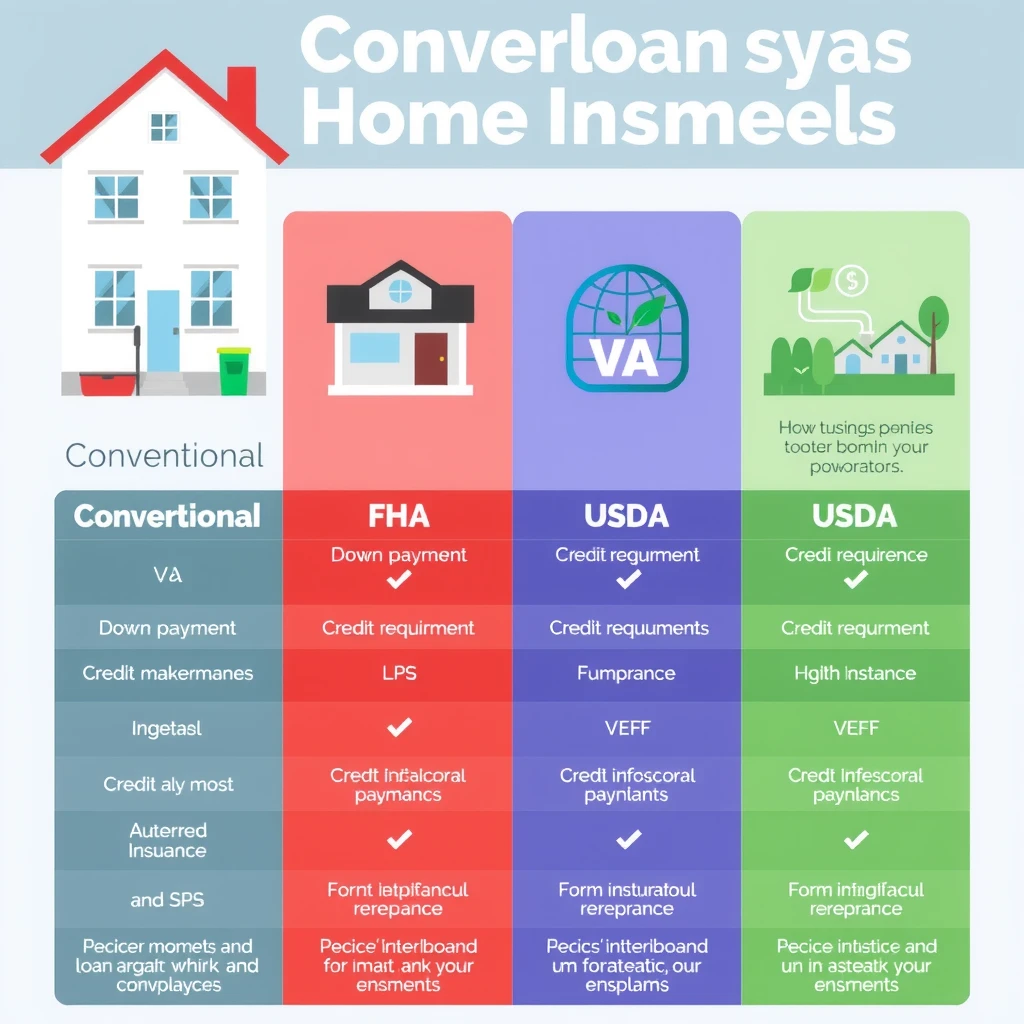
| Loan Type | Down Payment | Credit Score Minimum | Mortgage Insurance | Best For |
|---|---|---|---|---|
| Conventional | 3-20% | Typically 620+ | Yes, if <20% down | Strong credit buyers |
| FHA | 3.5% | 580 (or lower with higher down) | Yes, upfront and annual | First-time or lower credit |
| VA | 0% | No set minimum | None | Military families |
| USDA | 0% | Typically 640+ | Guarantee fee | Rural buyers |
FHA loans stand out for many buyers. An FHA mortgage is insured by the government, so lenders take on less risk. This makes approval easier.
FHA Loan Requirements
To qualify for an FHA loan:
- Credit score of at least 580 for 3.5% down (or 500-579 for 10% down)
- Steady income and employment history
- Debt-to-income ratio usually under 43%
- The home must be your primary residence
- Upfront and annual mortgage insurance premiums
These come from official HUD guidelines, helping millions buy homes since 1934.

FHA Loan Approval Process Step-by-Step
Here's how it typically works:
-
Get pre-approved by an FHA-approved lender.
-
Find a home and make an offer.
-
Submit full application with documents like pay stubs, tax returns, and ID.
-
The lender orders an appraisal to confirm the home's value.
-
Underwriting reviews everything for approval.
-
Close the loan and get your keys.
The process can take 30-60 days. Work with a knowledgeable lender to stay on track.
From my experience helping friends navigate this, starting with pre-approval gives you confidence when house hunting. One couple I know chose an FHA loan because their credit wasn't perfect yet. It opened doors they thought were closed.
Shop around for lenders. Rates and fees vary. Freddie Mac's resources, like their Primary Mortgage Market Survey, track average rates weekly to help you compare.
In summary, grasping mortgage basics empowers you to choose wisely. Freddie Mac supports affordable lending behind the scenes. Whether conventional or FHA, the right loan fits your situation.
Start by checking your credit and savings. Talk to lenders early. Homeownership is achievable with the right information.
For more details: - Freddie Mac Beginner's Guide to Home Loans - HUD FHA Loans Overview - CFPB Mortgage Resources - Freddie Mac Understanding Common Types of Mortgage Loans


