Navigating the Home Inspection Process: Your Essential Guide
Buying a home is exciting, but it comes with key steps to protect your investment. Navigating the home inspection process helps you uncover potential issues before you commit. This guide walks you through it step by step, with real insights to make it easier.
A home inspection is a professional check of a property's condition. It happens after your offer is accepted but before closing. You hire an independent inspector to look at the home's structure, systems, and overall safety. Expect to pay around $400 on average in 2025, and it usually takes 2-4 hours.
Why bother? Inspections often reveal problems that could cost thousands to fix later. Many buyers negotiate repairs or price reductions based on findings, saving big money.
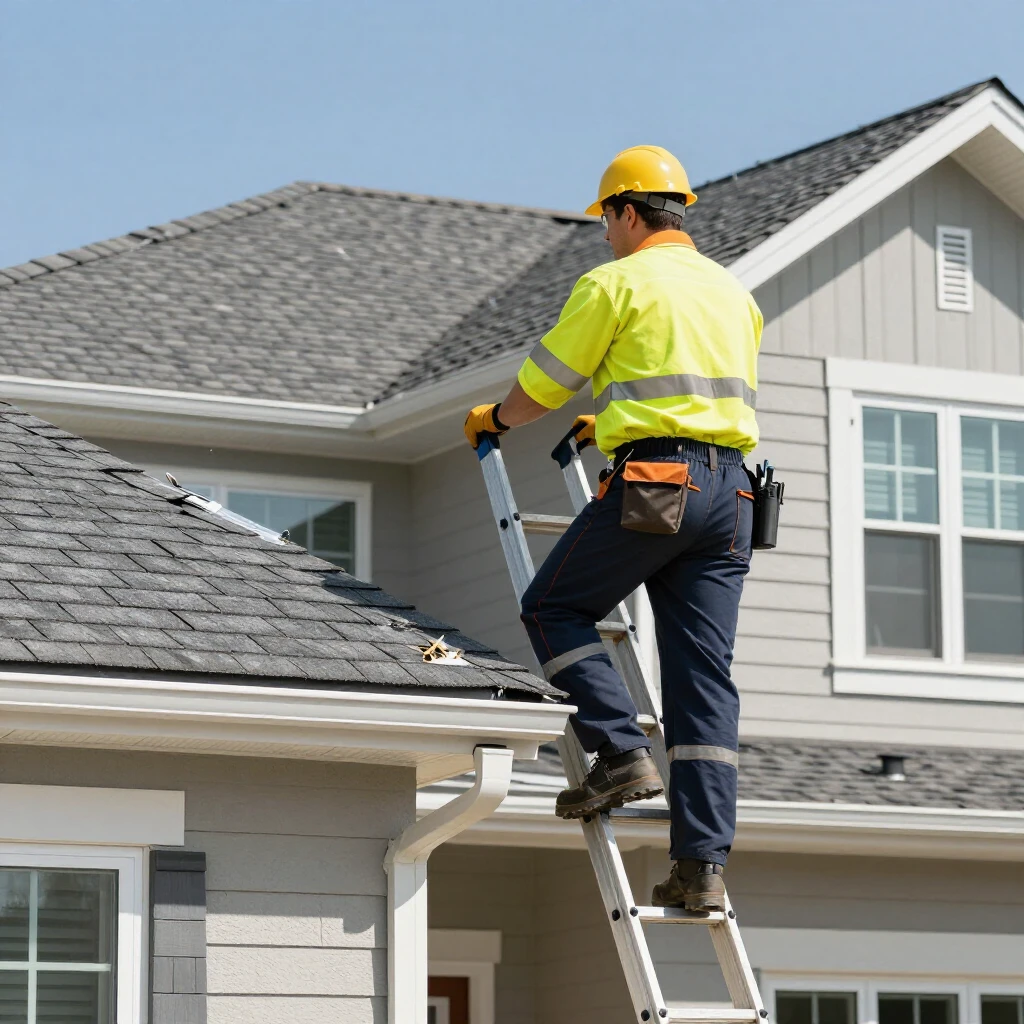
Why Get a Home Inspection?
You spot hidden problems early. I once bought my first home and skipped a full inspection to save money—big mistake. A leaky basement showed up months later, costing me $5,000. Learn from that: always inspect.
Inspections give you leverage in negotiations. Sellers often fix major issues or lower the price. Plus, you gain peace of mind knowing what you're buying.
Note: A home inspection differs from an appraisal. Appraisals focus on value for your lender, while inspections focus on condition for you.
How to Choose a Qualified Inspector
Look for certified professionals. Check memberships in groups like the American Society of Home Inspectors (ASHI) or InterNACHI. These set high standards.
Ask for sample reports, references, and proof of insurance. A good inspector explains findings clearly and answers questions.
Get recommendations from your real estate agent, but choose independently to avoid conflicts.
What Happens During the Inspection
Attend if you can—it's educational. The inspector checks:
Key Areas Inspected
- Exterior: Roof, siding, foundation, drainage, windows, and doors.
- Interior: Walls, ceilings, floors, stairs, and attic.
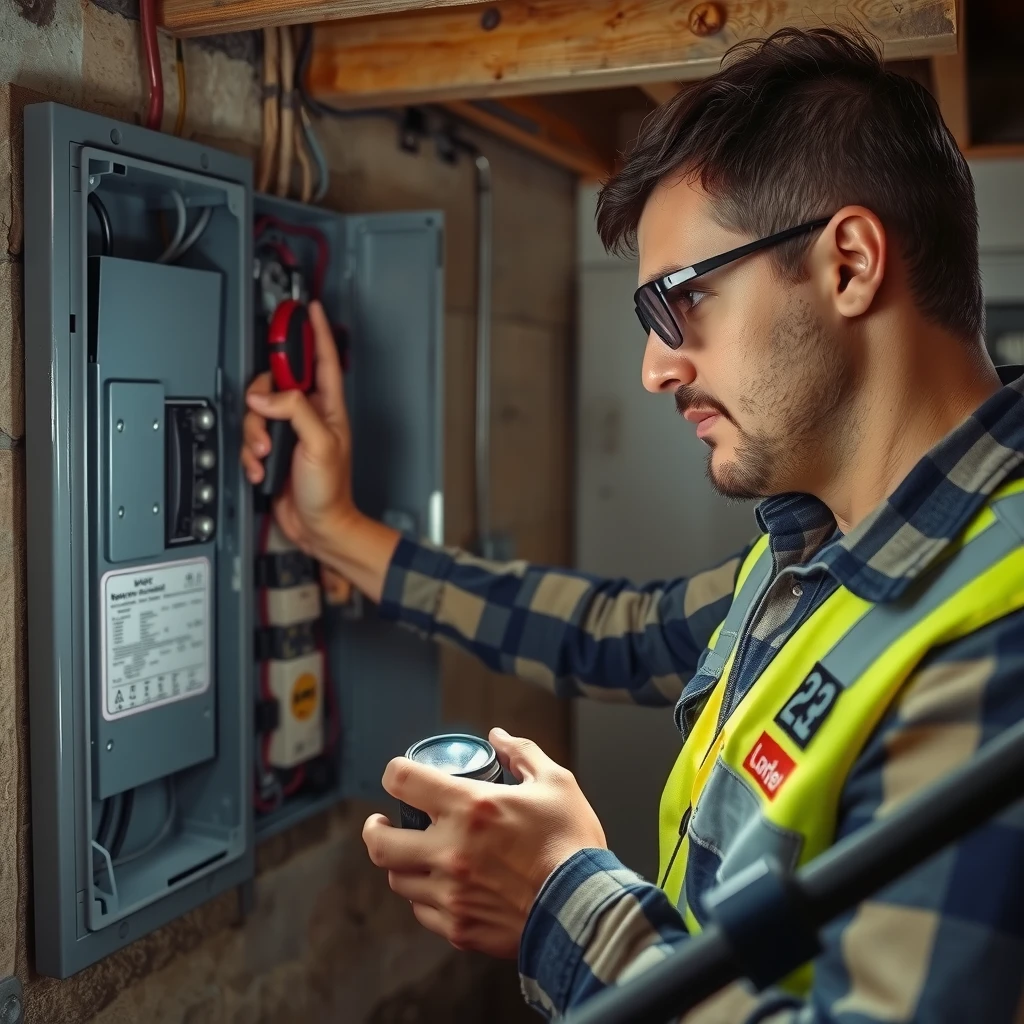
- Systems: Plumbing, electrical, heating/cooling (HVAC), and water heater.
- Safety: Smoke detectors, railings, and potential hazards like mold or radon.
They test appliances, run faucets, flush toilets, and more. You'll get a detailed report with photos.
Common Issues Found in Home Inspections
Most homes have some problems. Here are frequent ones:
| Issue | Why It Matters | Typical Fix Cost |
|---|---|---|
| Roof damage or leaks | Leads to water intrusion | $500–$10,000+ |
| Faulty electrical wiring | Fire hazard | $1,000–$5,000 |
| Plumbing leaks or poor drainage | Mold and water damage | $500–$4,000 |
| Foundation cracks | Structural risks | $2,000–$8,000+ |
| Outdated HVAC | Inefficiency and breakdowns | $3,000–$7,000 |
| Pest damage (termites) | Weakens structure | $1,000–$10,000 |
Minor issues like cosmetic wear are common and often negotiable. Major safety problems might require immediate fixes.
What to Do After the Report
Review it carefully. Prioritize issues: safety first, then costly repairs.
Negotiate with the seller. Options include: - Asking them to fix problems. - Requesting a price credit. - Walking away if issues are too severe (thanks to your contingency clause).

Get quotes from contractors for repairs to strengthen your negotiation.
Special Considerations for FHA Loans
If you're using an FHA mortgage, the process has extra layers. FHA loans are great for first-time buyers with lower credit or down payments.
The FHA loan application process requires an appraisal that includes condition checks. The home must meet HUD's minimum property standards for safety and livability.
Unlike conventional loans, FHA appraisals flag issues that must be fixed before closing. Still, get a separate home inspection—it's optional but highly recommended.
Tip: How to improve your credit score before applying for a mortgage can help you qualify for better rates, whether FHA or conventional.
For more on the FHA loan application, check resources from HUD or your lender.
Tips for a Smooth Process
- Schedule early in your contingency period.
- Consider add-ons like radon, termite, or sewer scope inspections.
- Prepare the home (for sellers): Clean and provide access.
- Stay calm—few homes are perfect.
Navigating the home inspection process empowers you as a buyer. It turns potential surprises into informed decisions.
In summary, a thorough inspection protects your investment and eases the path to homeownership. Whether pursuing an FHA loan application or another type, prioritize this step for long-term peace.


