Overview
Buying your first home is exciting but can feel overwhelming. These tips for first-time homebuyers will help you prepare, avoid common pitfalls, and make smart decisions in today's market.

Start with Your Finances
Before you look at homes, get your money in order. Check your credit score—it affects your mortgage rates. Pay down debts to improve your debt-to-income ratio.
Save for a down payment. Aim for at least 3-5% if possible, though some programs allow less. Build an emergency fund too, because homeownership comes with unexpected costs.
Create a realistic budget. Factor in not just the mortgage payment, but property taxes, homeowners insurance, and maintenance. Use online calculators to estimate monthly costs.
Common Costs to Expect
Here's a quick list of upfront expenses: - Down payment (3-20% of home price) - Closing costs (2-5% of loan amount) - Mortgage application fees (often $300-$1,000, covering credit checks and processing) - Appraisal and inspection fees
Get Pre-Approved for a Mortgage
One of the best tips for first-time homebuyers is to get pre-approved early. This shows sellers you're serious and helps you know your price range.
Shop around for lenders. Compare rates and terms. The mortgage application process involves submitting documents like pay stubs, tax returns, and bank statements.
Be aware of mortgage application fees. These cover the lender's costs for processing your application and can range from a few hundred to over a thousand dollars. Some lenders bundle them into origination fees.

Understand Different Mortgage Options
Choose the right mortgage for your situation. Fixed-rate mortgages offer stable payments, while adjustable-rate ones start lower but can increase.
First-time buyers often qualify for FHA loans with lower down payments or VA loans if you're a veteran.
Don't forget private mortgage insurance (PMI) if your down payment is less than 20%. It protects the lender but adds to your monthly payment.
Find the Right Home
Work with a good real estate agent who understands first-time buyers. They can guide you through listings and negotiations.
Make a list of must-haves versus nice-to-haves. Location matters—think about commute, schools, and neighborhood growth.
Attend open houses. Take notes and photos. Visit at different times of day to get a real feel for the area.
Make a Strong Offer
In competitive markets, your offer needs to stand out. Include a pre-approval letter. Consider an escalation clause if bidding wars are common.
Be flexible on closing dates if it helps the seller.
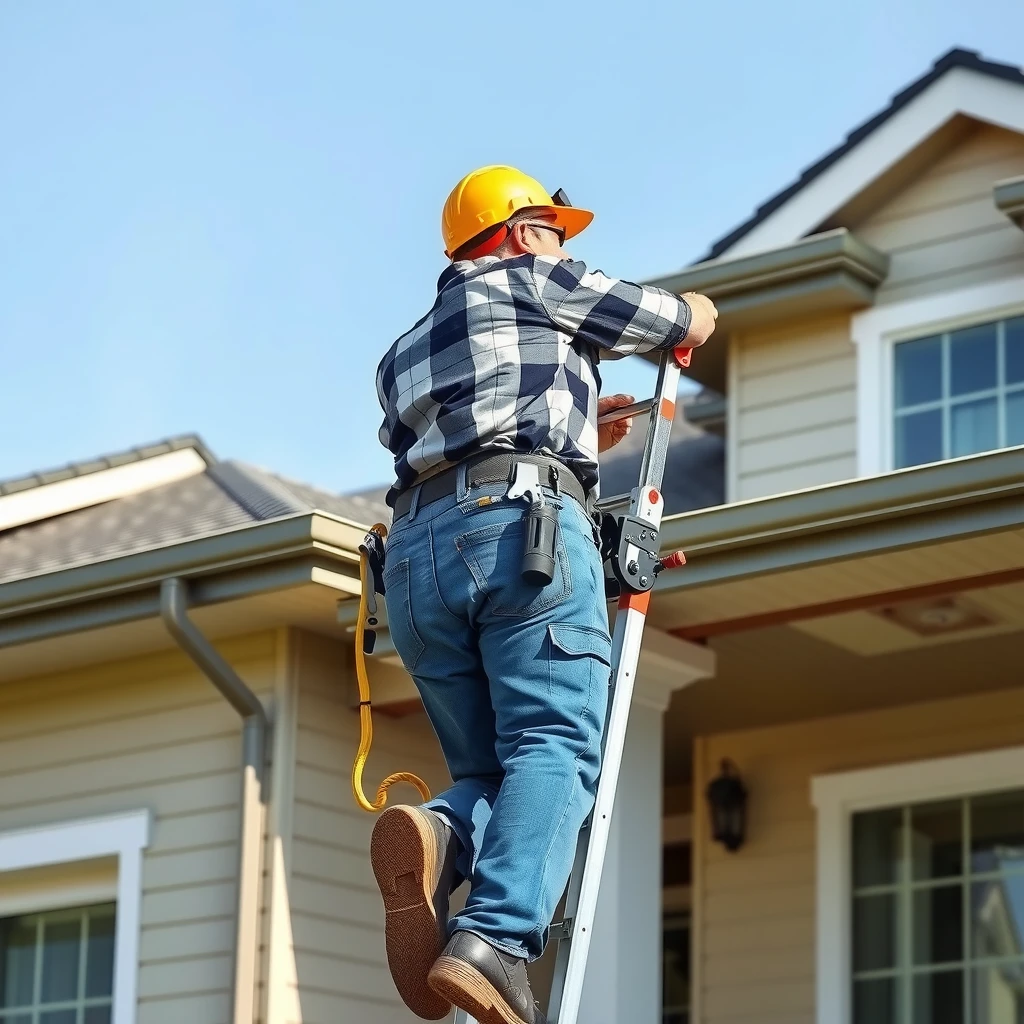
Don't Skip the Home Inspection
Always get a professional inspection. It can uncover issues like roof problems, plumbing leaks, or foundation cracks.
Use the report to negotiate repairs or price reductions. This step saves money long-term.
Prepare for Closing
Review your loan estimate and closing disclosure carefully. Ask questions about any fees.
Closing costs include title insurance, appraisal, and more. Budget for them to avoid surprises.
On closing day, do a final walkthrough. Bring your ID, cashier's check for costs, and celebrate—you're a homeowner!
Personal Insights from Experience
I remember my first home purchase. I rushed into an offer without full pre-approval and regretted it when better rates came along. Learn from that: Take time to compare mortgages.
Another tip—overestimate maintenance costs. New homes need updates too. Set aside 1-2% of the home value yearly for repairs.
Final Thoughts
Follow these tips for first-time homebuyers, and you'll navigate the process smoother. Stay patient, do your homework, and soon you'll have keys in hand. Homeownership builds wealth over time—it's worth the effort.


