Buying a home with an FHA loan can open doors for many first-time buyers. But the FHA appraisal process plays a big role in making it happen. This FHA appraisal checklist for homebuyers breaks down what you need to know to avoid surprises.
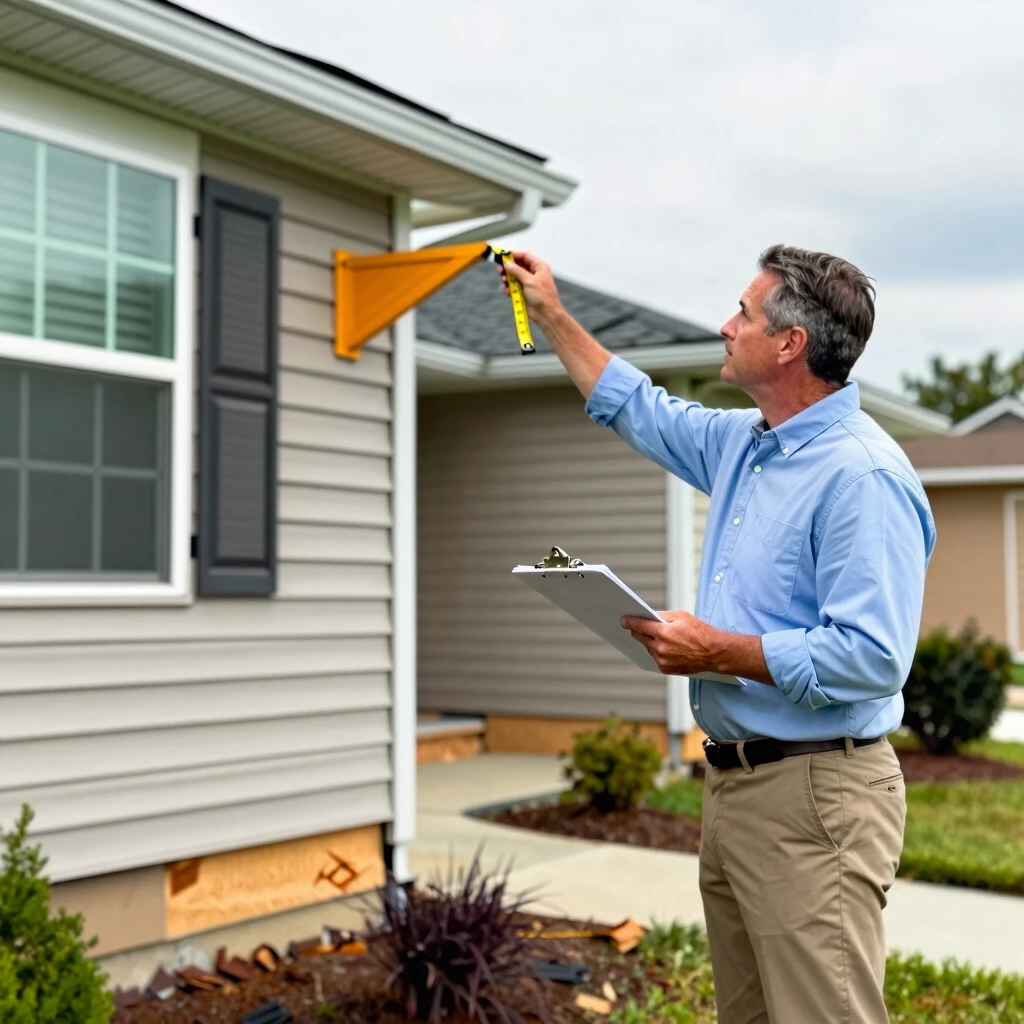
What Is an FHA Appraisal and Why Does It Matter?
An FHA appraisal serves two main purposes. First, it determines the home's fair market value. Second, it ensures the property meets HUD's minimum property standards for safety, security, and soundness.
Unlike a standard home inspection that you pay for separately, the FHA appraisal is required by your lender. It protects you from buying a home with serious hidden problems and safeguards the government's investment in the loan.
I've worked with many buyers who thought the appraisal was just about value. But it's much more. It can flag issues that might cost you thousands later if not addressed upfront.
According to the U.S. Department of Housing and Urban Development's Single Family Housing Policy Handbook 4000.1, the appraiser must verify that the home is safe to live in and structurally sound.
Key Areas in the FHA Appraisal Checklist for Homebuyers
Appraisers follow a detailed checklist based on HUD guidelines. Here are the main categories they evaluate:
1. Exterior Condition
- Roof: Must have at least 2-3 years of life left, no leaks or missing shingles.
- Foundation: No major cracks or settling issues.
- Siding and paint: Peeling paint must be fixed, especially in homes built before 1978 due to lead-based paint risks.
- Drainage: Water should flow away from the house to prevent basement flooding.
2. Structural Integrity
The home must be free from defects that affect its safety or lifespan. This includes checking for signs of wood-destroying insects, excessive settling, or damaged framing.
3. Mechanical Systems
- Heating and cooling: Systems must work properly and safely.
- Plumbing: No leaks, adequate water pressure, and functional fixtures.
- Electrical: Safe wiring, enough outlets, and working breakers – no exposed wires.
4. Safety Features
- Smoke and carbon monoxide detectors on every level.
- Handrails on stairs.
- Windows that open easily for emergency escape.
- No trip hazards or broken steps.
5. General Livability
Adequate lighting, ventilation, and no health hazards like mold or asbestos exposure.
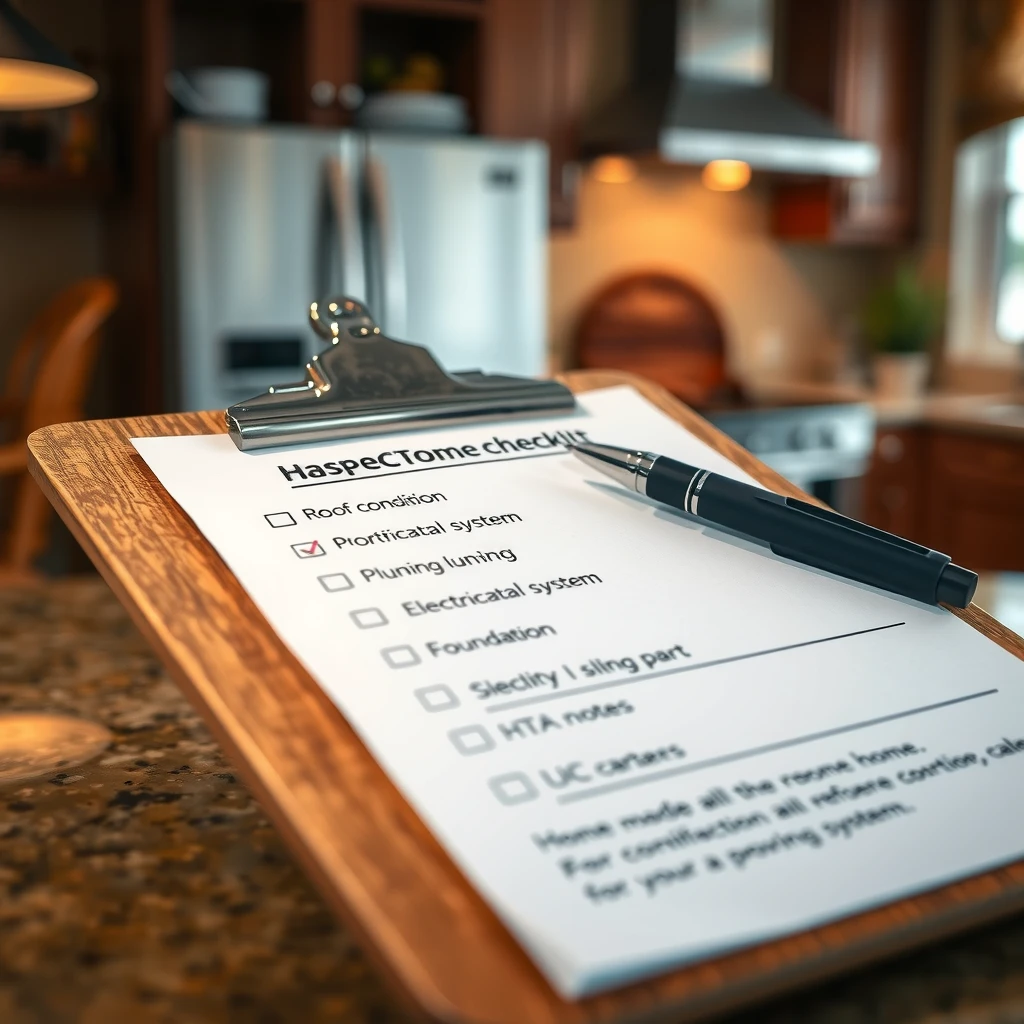
For a full list of requirements, check HUD's official Appraisal Report and Data Delivery Guide.
Common Issues That Can Delay or Derail Your FHA Loan
In my experience helping buyers, these problems come up most often:
- Peeling exterior paint
- Broken windows or missing screens
- Faulty handrails or loose steps
- Inoperable appliances (if they convey with the home)
- Water stains indicating past or current leaks
- Overgrown vegetation touching the house
Small fixes like these can often be handled before closing. Sellers usually agree to make repairs to keep the deal moving.
Avoid one of the [10 Common Homebuying Mistakes to Avoid] by getting a separate home inspection too. The FHA appraisal isn't a substitute for a thorough inspection.
Special Case: Fixer-Uppers and FHA 203(k) Loans
Love a home that needs work? The FHA 203(k) rehabilitation loan might be perfect. It lets you finance both the purchase and repairs in one mortgage.
The appraisal process differs here. Appraisers provide an 'as-is' value and a projected 'after-improved' value based on your renovation plans.
This option helps many buyers turn fixer-uppers into dream homes. Learn more in [Fixer-Uppers 101: Using FHA 203(k) Loans].
HUD outlines 203(k) specifics in their handbook, allowing certain properties that wouldn't pass a standard FHA appraisal to qualify with planned repairs.
How to Prepare for a Successful FHA Appraisal
You can take steps to help things go smoothly:
- Clean and declutter the home.
- Ensure easy access to attic, crawl space, and utilities.
- Fix minor issues like burnt-out bulbs or sticky doors.
- Provide records of recent repairs or system updates.
- Clear pathways and remove hazards.
If you're new to FHA loans, start with [FHA Loans 101: What First-Time Buyers Need to Know] for the basics.
The appraisal typically costs $500-$800 and takes 5-10 days. If repairs are required, your lender will guide you through the process.

What Happens If the Appraisal Comes in Low or Requires Repairs?
A low value appraisal means you might need to renegotiate the price or bring extra cash. For required repairs, the seller usually fixes them, or you can in some cases.
Stay in touch with your lender – they handle the details.
For more on appraisal protocols, see HUD's recent Mortgagee Letter on outdated protocols.
Final Thoughts
Understanding the FHA appraisal checklist for homebuyers puts you ahead. It helps you choose the right property and avoid last-minute stress.
Focus on homes in good condition, or explore 203(k) options for projects. With preparation, you'll soon hold the keys to your new home.


