Overview
FHA loans make homeownership accessible for many people, especially first-timers. With a low down payment of just 3.5% and flexible credit rules, these government-backed mortgages open doors that might otherwise stay closed. In this guide, we'll walk through how to qualify for an FHA loan in 2025.

What Is an FHA Loan?
An FHA loan is insured by the Federal Housing Administration, part of HUD. Lenders feel safer offering these loans because the government backs them if you can't pay.
You get easier rules: lower credit scores, smaller down payments, and more forgiving debt levels. Many first-time buyers start here.
Core FHA Mortgage Guidelines for 2025
Follow these main rules to qualify:
- Credit Score: Need at least 580 for the 3.5% down payment. Scores from 500-579 require 10% down. Lenders might ask for higher scores.
- Down Payment: 3.5% if credit is 580+, or 10% below that.
- Debt-to-Income Ratio (DTI): Keep it under 43%. Higher possible with strong factors like good credit.
- Employment and Income: Show steady work, usually two years. Prove income with pay stubs, tax returns, and bank statements. No minimum income, but enough to cover payments.
- Property Requirements: Home must be your primary residence. Pass an FHA appraisal for safety and value.
- Mortgage Insurance: Pay upfront MIP (1.75% of loan) and annual MIP (monthly, often for loan life if down payment under 10%).
I've seen friends with past credit issues get approved for FHA loans when conventional ones said no. The key is honest preparation and finding the right lender.

FHA Loan Limits by County in 2025
Limits depend on your location and home type.
For single-family homes: - Low-cost areas: $524,225 - High-cost areas: Up to $1,209,750
Multi-unit homes have higher limits. Check exact limits for your county on the HUD website: https://entp.hud.gov/idapp/html/hicostlook.cfm
These adjust yearly based on home prices.
| Property Type | Low-Cost Limit | High-Cost Limit |
|---|---|---|
| 1-Unit | $524,225 | $1,209,750 |
| 2-Unit | Higher | Higher |
| 3-Unit | Higher | Higher |
| 4-Unit | Higher | Higher |
FHA Mortgage Closing Costs Breakdown
Expect closing costs of 2-6% of the loan amount. Common fees include:
- Upfront MIP: 1.75% of loan (can finance into mortgage)
- Appraisal Fee: $500-800
- Origination Fee: Up to 1% of loan
- Title Insurance and Search: $800-2,000
- Credit Report, Flood Certification, etc.: $100-300
- Prepaid Items: Taxes, insurance, interest
Sellers can cover up to 6% of costs. Gifts from family help too.
For a $300,000 loan, costs might run $6,000-18,000. Shop lenders to save.
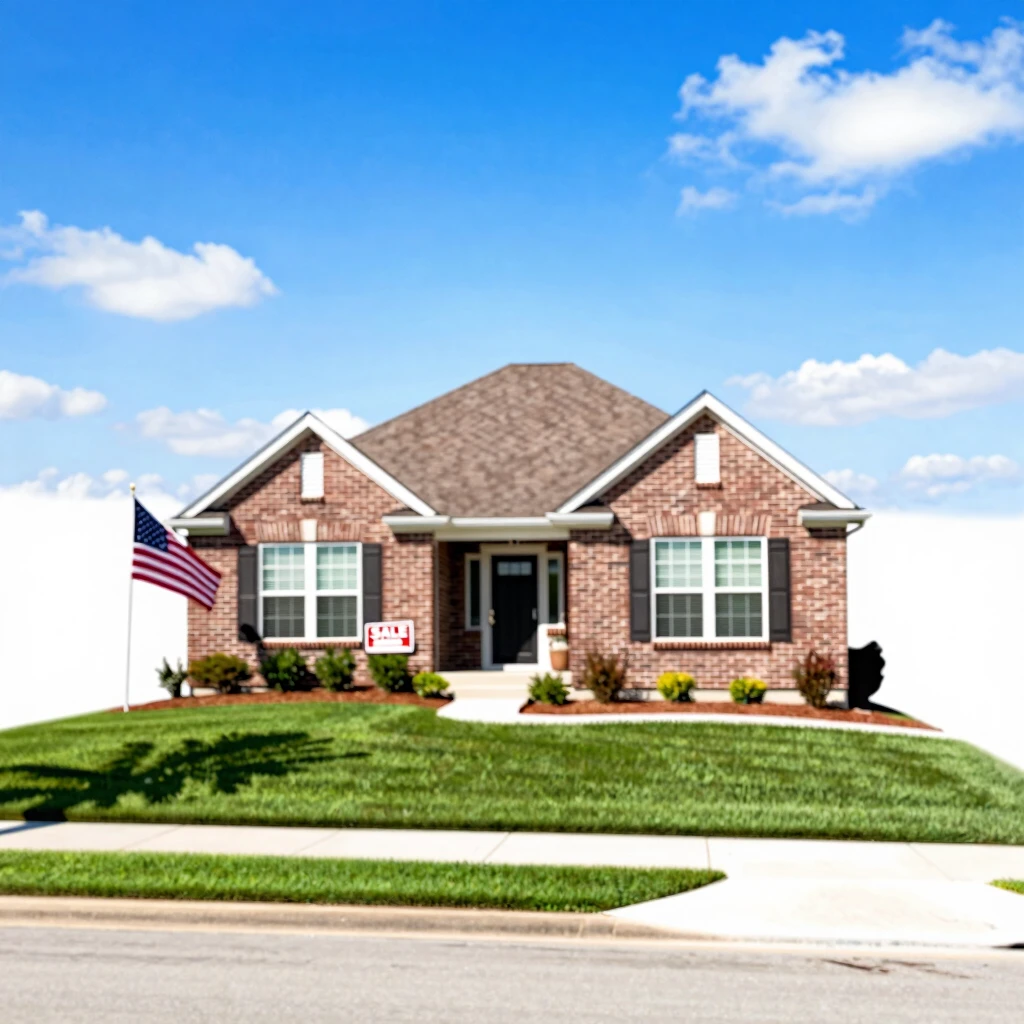
Tips for First-Time Homebuyers: Navigating FHA Mortgages
- Check Your Credit Early: Fix errors and build score for better terms.
- Save Beyond Down Payment: Cover closing costs and reserves.
- Get Pre-Approved: Shows sellers you're serious.
- Shop Lenders: Rates and fees vary.
- Consider Assistance Programs: Many states offer down payment help.
- Understand MIP: It adds to payments but protects you too.
- Work with Experts: Use a HUD-approved counselor for free advice.
From experience, pre-approval sped up my friend's offer in a hot market.
Steps to Apply and Qualify
- Review credit and finances.
- Find FHA-approved lender.
- Get pre-approved.
- House hunt within limits.
- Make offer and appraise.
- Underwrite and close.
Stay patient—process takes 30-60 days.
Final Thoughts
FHA loans remain a strong path to homeownership in 2025, with low barriers for many. Meet the guidelines, prepare documents, and seek help when needed. You're closer to keys than you think.
For official details, visit HUD.gov.


