Improving your credit score can save you thousands on your home loan. A higher score often means lower interest rates, making your dream home more affordable. In this guide, we'll walk through simple, effective ways to raise your score and explore options like FHA loans for better chances.
Why Your Credit Score Matters for Mortgage Rates
Your credit score tells lenders how reliable you are with money. In 2026, experts say a score around 780 unlocks the best rates on conventional loans. Even a 20-40 point jump can drop your rate and cut monthly payments.
For example, on a $400,000 loan, a higher score might save you over $50,000 in interest over 30 years. I've seen friends shave hundreds off their payments just by fixing small issues before applying.

Understanding Credit Score Ranges and Rates
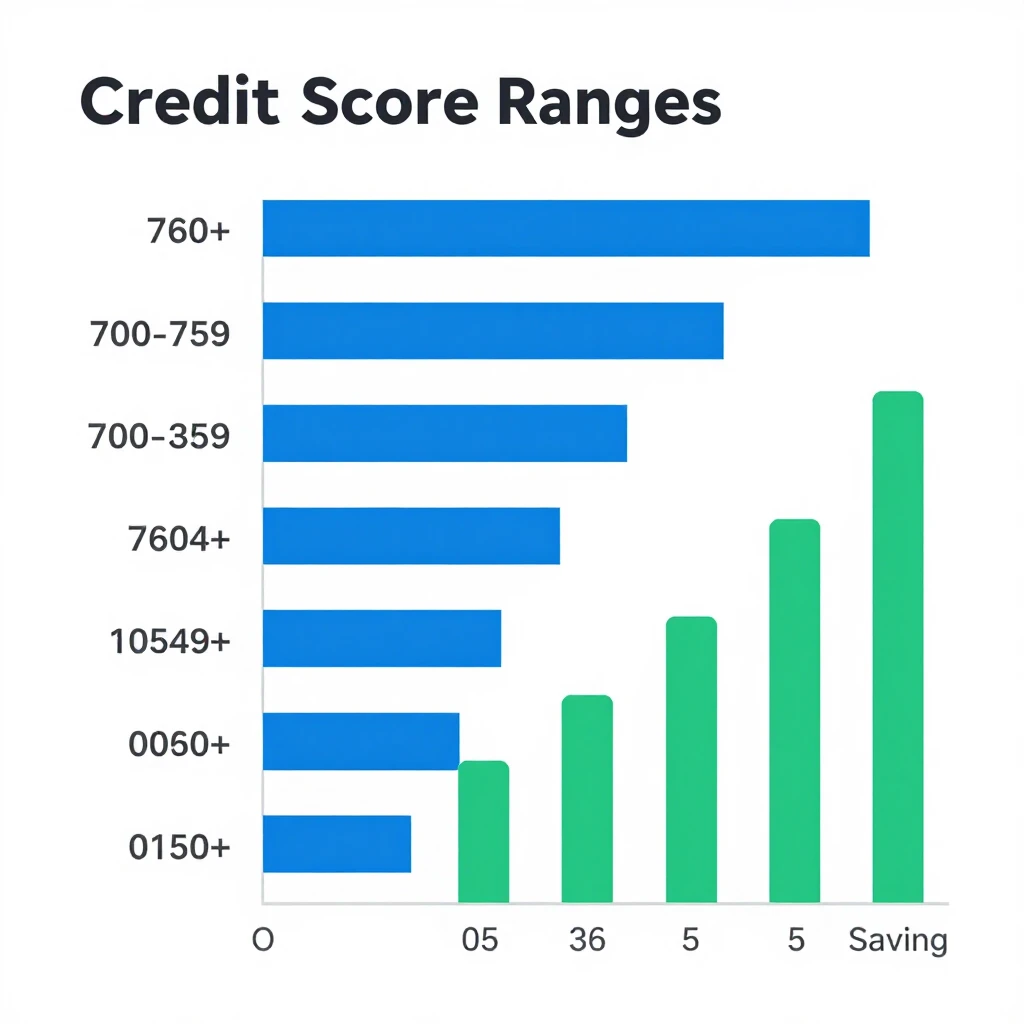
Credit scores range from 300 to 850. Here's a quick breakdown of how they impact mortgage rates in 2026:
- 760+: Best rates available
- 720-759: Still excellent options
- 680-719: Good, but slightly higher rates
- 620-679: Qualifying, but rates increase
- Below 620: Limited options, higher costs
Small differences matter. Boosting from 700 to 740 could lower your rate by 0.5% or more.
Step-by-Step Ways to Improve Your Credit Score
You can raise your score in months with consistent effort. Here are proven steps:
-
Pay bills on time – This counts for 35% of your score. Set up auto-payments to avoid misses.
-
Lower credit card balances – Keep usage under 30% of your limits. Pay down high-interest cards first.
-
Check your credit reports – Get free reports from AnnualCreditReport.com. Dispute errors that drag your score down.
-
Avoid new credit applications – Too many inquiries can hurt temporarily.
-
Build positive history – If needed, use a secured card responsibly.
From experience, focusing on these changed my own score by 100 points in a year.
How Long Does It Take to See Improvements?
Positive changes like on-time payments show up in 30 days. Bigger fixes, like paying off debt, can boost your score in 3-6 months. Give yourself at least 6 months before applying for a mortgage for the best results.
Navigating FHA Loan Requirements
If your score isn't perfect yet, consider an FHA mortgage. These government-backed loans help many first-time buyers.
How to qualify for FHA mortgage: - Minimum score of 580 for 3.5% down payment - Scores 500-579 need 10% down - Steady income and employment history - Debt-to-income ratio usually under 43%
FHA loan eligibility is more flexible than conventional loans. They accept lower scores without huge rate penalties.
Benefits of FHA Loans for Lower Scores
FHA loans make homeownership possible sooner. You get competitive rates even with a mid-600s score. Plus, down payments are low, and sellers can help with closing costs.
Many people I know used FHA to buy their first home, then refinanced later when their score improved for even better rates.

Common Mistakes to Avoid
Don't close old accounts – it can shorten your credit history. Avoid maxing cards right before applying. And don't ignore small debts; they add up.
Shop rates from multiple lenders too. Rates vary, and pre-approvals help without hurting your score much.
Final Thoughts
Taking control of your credit opens doors to better mortgage rates and big savings. Start small, stay consistent, and you'll see results. Whether aiming for top-tier conventional or starting with an FHA loan, better credit puts you ahead.
For authoritative info, check sources like FHA.gov or myFICO.com.


