Overview
Buying a home with an FHA mortgage opens doors for many people. The required FHA appraisal checks basic safety and value, but it does not replace a full home inspection. A separate inspection helps you spot hidden issues early and avoid costly surprises later.
If you plan to get an FHA loan, you likely already know these mortgages make homeownership more accessible. The Federal Housing Administration backs them, so lenders offer lower down payments and more flexible credit rules.
Yet many buyers misunderstand one key part: the difference between the FHA appraisal and a home inspection. This mix-up can lead to expensive mistakes.
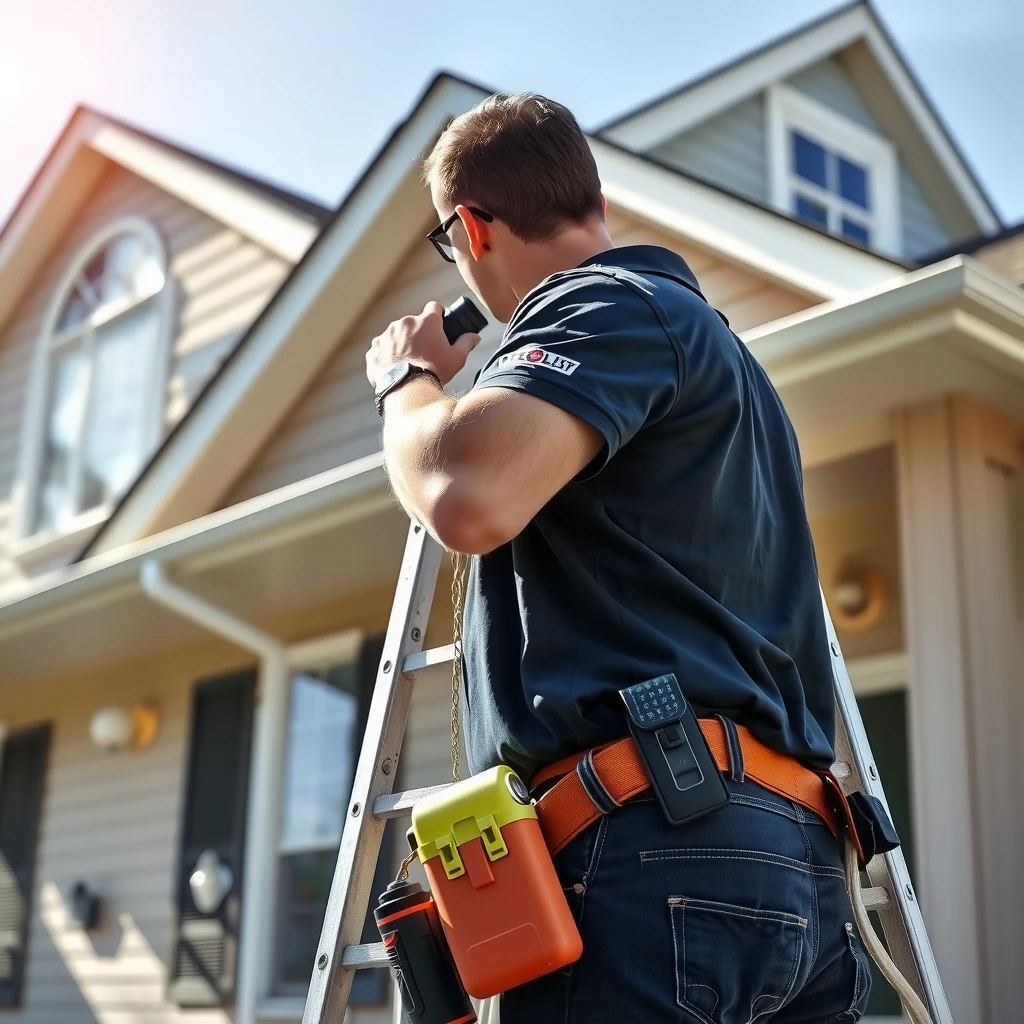
What Happens During an FHA Appraisal
The FHA requires every borrower to get an appraisal. An FHA-approved appraiser performs it to serve two main goals.
First, the appraiser sets the home's fair market value. This ensures the loan amount matches what the property is worth.
Second, the appraiser checks if the home meets HUD's Minimum Property Requirements (MPR) or Minimum Property Standards (MPS). These rules confirm the home is safe, secure, and structurally sound.
Examples include: - No peeling paint on homes built before 1978 (due to lead concerns) - Working heating and plumbing systems - No major safety hazards like exposed wiring or broken windows - A roof in good condition with reasonable remaining life
You can find full details in the official FHA Single Family Housing Policy Handbook 4000.1 from HUD.
The appraisal protects the lender and FHA. It does not aim to find every possible defect for the buyer.
Home Inspection vs. FHA Appraisal: Key Differences
Many buyers think the FHA appraisal acts like a home inspection. It does not. Here is a clear comparison:
| Aspect | FHA Appraisal | Home Inspection |
|---|---|---|
| Required? | Yes, for all FHA loans | No, but strongly recommended |
| Who pays? | Buyer (rolled into closing costs) | Buyer |
| Purpose | Value the home + basic safety check | Find all defects for buyer knowledge |
| Depth | Visual check for obvious issues | Thorough exam of all systems |
| Report goes to | Lender and FHA | Buyer only |
| Can require repairs? | Yes, for safety/MPS issues | No, but buyer can negotiate |
HUD clearly states that borrowers should obtain a home inspection. As noted in older HUD guidance, "Borrowers are encouraged to obtain a detailed home inspection" to fully understand the property's condition.
In my years helping buyers navigate FHA loans, I have seen this advice prove valuable many times. One family I worked with skipped the inspection to save money. Months after closing, they discovered a leaking foundation that cost $15,000 to fix. An inspection would have caught it early.

Why Home Inspections Matter So Much with FHA Loans
FHA loans often attract first-time buyers or those with limited savings. These buyers have less room for unexpected repair costs.
The appraisal catches big safety problems, but it misses many others. Inspectors check: - Electrical systems in detail - Plumbing for slow leaks - HVAC efficiency - Foundation cracks - Pest damage - Attic insulation and ventilation - Appliance condition
These issues can add up quickly. A new roof might cost $10,000–$20,000. HVAC replacement often runs $5,000–$12,000. Finding them before closing gives you power to negotiate.
You can ask the seller to fix problems, lower the price, or get credits at closing. Or you can walk away if issues seem too big.
Skipping an inspection leaves you handling everything after you own the home—with a new mortgage payment on top.
Steps for a Successful FHA Appraisal
You can take simple actions to help the appraisal go smoothly:
- Turn on all utilities (water, electricity, gas)
- Provide clear access to attic, crawl space, garage, and basement
- Fix minor safety issues ahead of time (replace broken windows, secure loose handrails)
- Remove peeling paint and repaint if needed
- Clean up the yard and exterior
- Make sure the home is free of clutter
- Have records ready for recent repairs or upgrades
These steps prevent delays and conditional approvals that require extra work.
Choosing a Good Home Inspector
Pick someone qualified. Look for: - Membership in ASHI or InterNACHI - Errors and omissions insurance - Sample reports to review - Clear explanations during the process
Expect to pay $300–$500, depending on home size and location. This small cost offers huge peace of mind.

Final Thoughts
An FHA mortgage can help you achieve homeownership. Pair it with a professional home inspection for the best protection. The FHA appraisal handles basic requirements, but only a full inspection reveals the true condition of your future home.
Take time to understand the process. Ask questions. Invest in that inspection. You will thank yourself later when you settle into a home you truly know and trust.


