Overview
Buying a home is exciting, but choosing the right mortgage term can feel overwhelming. This guide breaks down mortgage term length options: finding the best fit for your budget and goals. We'll cover common choices like 15-year and 30-year loans, plus tips to help you decide wisely.
When you shop for a home loan, the term length matters a lot. It decides how long you'll make payments and how much interest you'll pay overall. Most people pick between 15, 20, or 30 years, but some go for 10 or even 40 years. Shorter terms save money on interest but mean higher monthly payments. Longer terms keep payments low but cost more in the long run.
Let's start with the basics. A mortgage term is the time you have to pay back the loan. Lenders offer fixed terms, and your choice affects everything from your monthly budget to building home equity. Understanding mortgage terms made simple starts here: think about your income, future plans, and how much house you can afford.
In my view, based on talking with many homebuyers, the key is matching the term to your life stage. If you're young and expect your income to grow, a longer term gives breathing room now. But if you're closer to retirement, a shorter term helps you own your home free and clear sooner.

Common Mortgage Term Length Options
The most popular choices are 15-year and 30-year mortgages. But don't overlook 20-year or 10-year options if they fit your situation. Here's a quick look at each.
- 15-Year Mortgage: You pay off the loan in half the time of a 30-year one. Interest rates are usually lower, around 0.5% to 1% less, according to sources like LendingTree. This means big savings on interest—sometimes tens of thousands of dollars.
Pros include building equity faster and paying less overall. Cons? Higher monthly payments can strain your budget. If you're a first-time buyer, this might work if you have a solid income.
- 30-Year Mortgage: This is the go-to for many, especially first-timers. Payments are lower, making it easier to qualify for a bigger loan. But you'll pay more interest over time, and equity builds slowly.
From what I've seen, people love the flexibility. You can always pay extra to shorten the term without committing to high payments upfront.
-
20-Year Mortgage: A middle ground. Payments are higher than 30-year but lower than 15-year. You save on interest compared to 30 years but finish sooner. Capital Bank notes this option helps if you want to pay off before retirement.
-
10-Year or Shorter: Rare, but great for refinances or if you can afford big payments. Rates are lowest, but not for everyone.
-
40-Year Mortgage: Less common, offered by some lenders like Rocket Mortgage. Payments are very low, but interest piles up, and not all qualify.
To compare, let's use a table for a $300,000 loan at current rates (as of 2026, around 6-7% for 30-year, per web sources).
| Term | Interest Rate (Est.) | Monthly Payment (Principal + Interest) | Total Interest Paid |
|---|---|---|---|
| 15-Year | 6.25% | $2,572 | $163,000 |
| 20-Year | 6.5% | $2,236 | $236,600 |
| 30-Year | 6.75% | $1,946 | $400,500 |
| 40-Year | 7% | $1,793 | $561,400 |
These numbers show shorter terms save big on interest but demand more monthly. Use a calculator from sites like Rocket Mortgage to plug in your details.
Pros and Cons of Different Terms
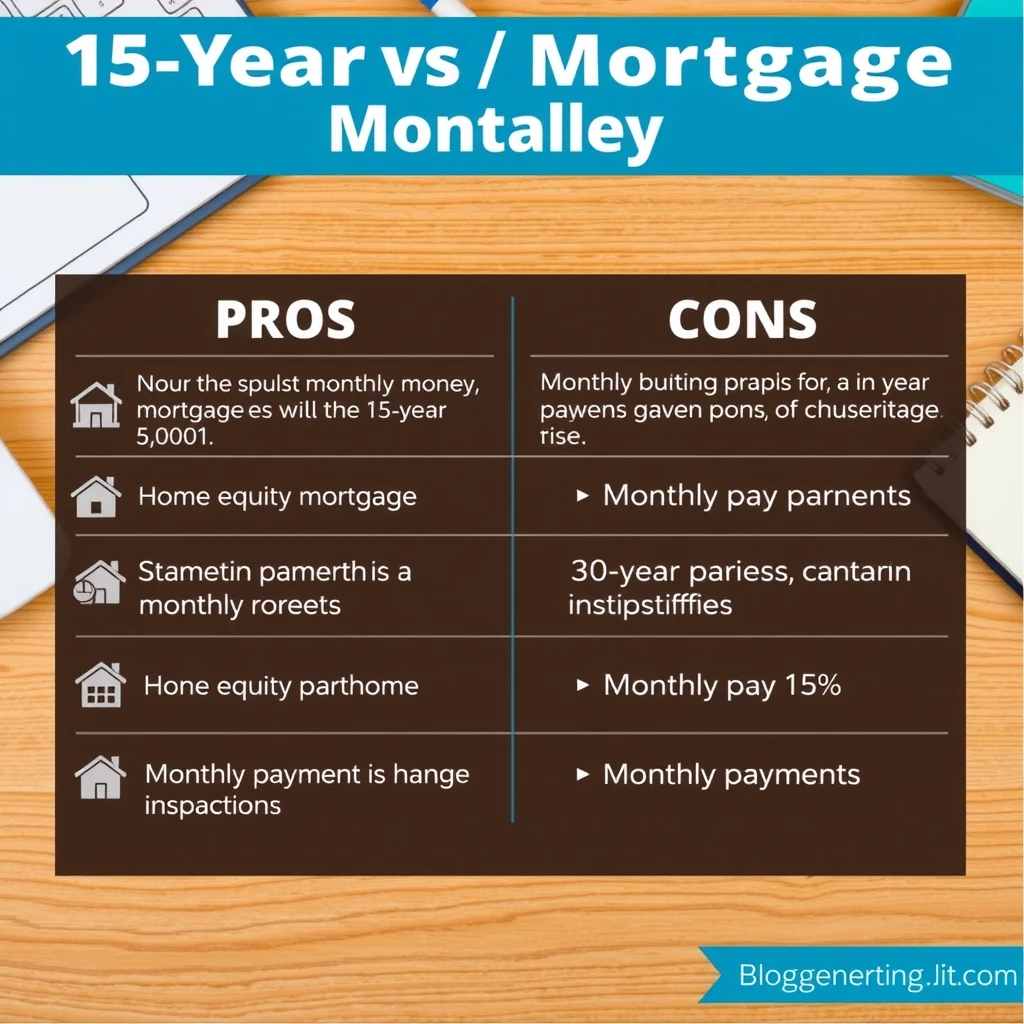
Picking mortgage term length options means weighing trade-offs. Shorter terms shine for saving money long-term. You pay less interest and own your home faster, which is huge for peace of mind.
But they require strong finances. If payments eat too much of your income, you risk stress or missing out on other goals like saving for kids' college.
Longer terms offer affordability. Lower payments free up cash for emergencies or investments. Progressive Insurance highlights that 30-year loans help qualify for more expensive homes.
The downside? More interest and slower equity growth. If rates drop, you might refinance, but that's not guaranteed.
Personal story: A friend chose a 15-year mortgage and regretted it when unexpected medical bills hit. Switching to 30-year via refinance helped, but it cost fees.
How to Choose the Right Term for You
Start by assessing your finances. Look at your income stability—lenders want two years of steady pay, per Amerisave.
Think about how long you'll stay in the home. If under 5-7 years, a longer term or ARM might suit, as Reddit users suggest for first-timers.
Age matters too. If retirement is 20 years away, aim to pay off by then. Financial Journey Partners recommends matching term to retirement timeline.
Get pre-approved early, as Chase advises. This shows your buying power and locks in rates.
Run numbers with a mortgage calculator. Factor in taxes, insurance, and maintenance—aim for payments under 28% of gross income.
For first-time buyers, exploring home loan options for first-time buyers is key. Programs like FHA allow 3.5% down, easing entry.
Tips for First-Time Buyers
As a first-timer, focus on building credit. Pay debts on time to boost your score, which lowers rates.
Save smartly. Automate transfers to a high-yield account—some offer 4-5% APY in 2026, per Amerisave tips.
How to save for a down payment on your first home? Start small: cut extras like dining out, use windfalls like bonuses directly.
NAR reports first-timers put 10% down now, up from past generations. Consider gifts from family—22% do, per surveys.
Live with relatives to skip rent, or share costs with roommates for faster saving.
Debt-to-income ratio is crucial—keep under 36%. Pay down high-interest debt first.
Shop lenders. Compare rates from banks, credit unions, online like Rocket Mortgage.
In my experience, first-timers often overlook closing costs—budget 2-5% of home price.

Actionable Insights
Build an emergency fund: 3-6 months' expenses before buying.
Consider overpaying on a longer term for flexibility—knock years off without high required payments.
Monitor rates—2026 might see drops if economy cools, per experts.
Talk to a loan officer early. They guide based on your goals, like FNBO suggests.
References: For more, check Rocket Mortgage on 40-year loans and LendingTree's comparison.
Summary
Mortgage term length options: finding the best fit boils down to balancing payments, interest, and life plans. Shorter terms save money but demand more now; longer ones offer ease but cost more later. For first-timers, start saving, build credit, and get pre-approved. Choose wisely to enjoy homeownership without stress.


