As we move through 2025, landscaping is all about creating yards that look great, save resources, and add real value to your home. Homeowners are choosing designs that support the environment while making outdoor spaces more enjoyable and practical.
Good landscaping does more than make your house look nice from the street. It can significantly increase your property's worth. According to a study from Virginia Tech, upgrading your landscape from average to excellent can boost perceived home value by 10-12%. That's a smart investment, especially if you're thinking about selling.
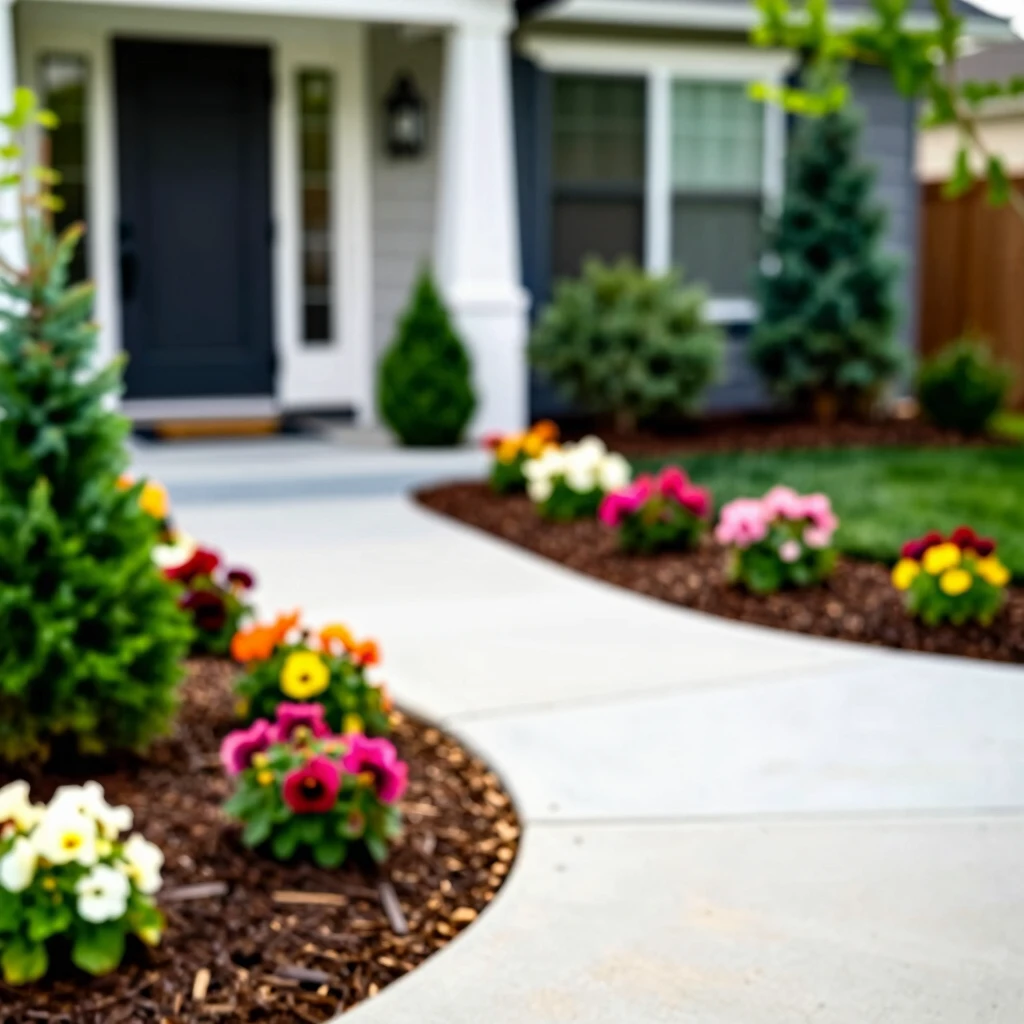
Curb appeal plays a big role in real estate. When potential buyers drive by, the front yard sets the first impression. The same goes for appraisals—appraisers consider exterior condition when determining value. Simple updates like fresh plants and clean edges can make a big difference.
1. Native and Sustainable Planting
The biggest trend in 2025 is using native plants. These are species that naturally grow in your region. They need less water, fewer chemicals, and little maintenance once established.
Native plants support local wildlife, especially pollinators like bees and butterflies. They also help manage stormwater and improve soil health. Many homeowners are replacing traditional lawns with meadow-style gardens full of wildflowers and grasses.
You can start small. Replace part of your lawn with native perennials. The results are beautiful, colorful, and good for the planet. For design ideas, check University of Maryland Extension's native plant templates.
These choices align perfectly when you want to boost your curb appeal on a budget. Native plants are often cheaper in the long run because they thrive without extra care.
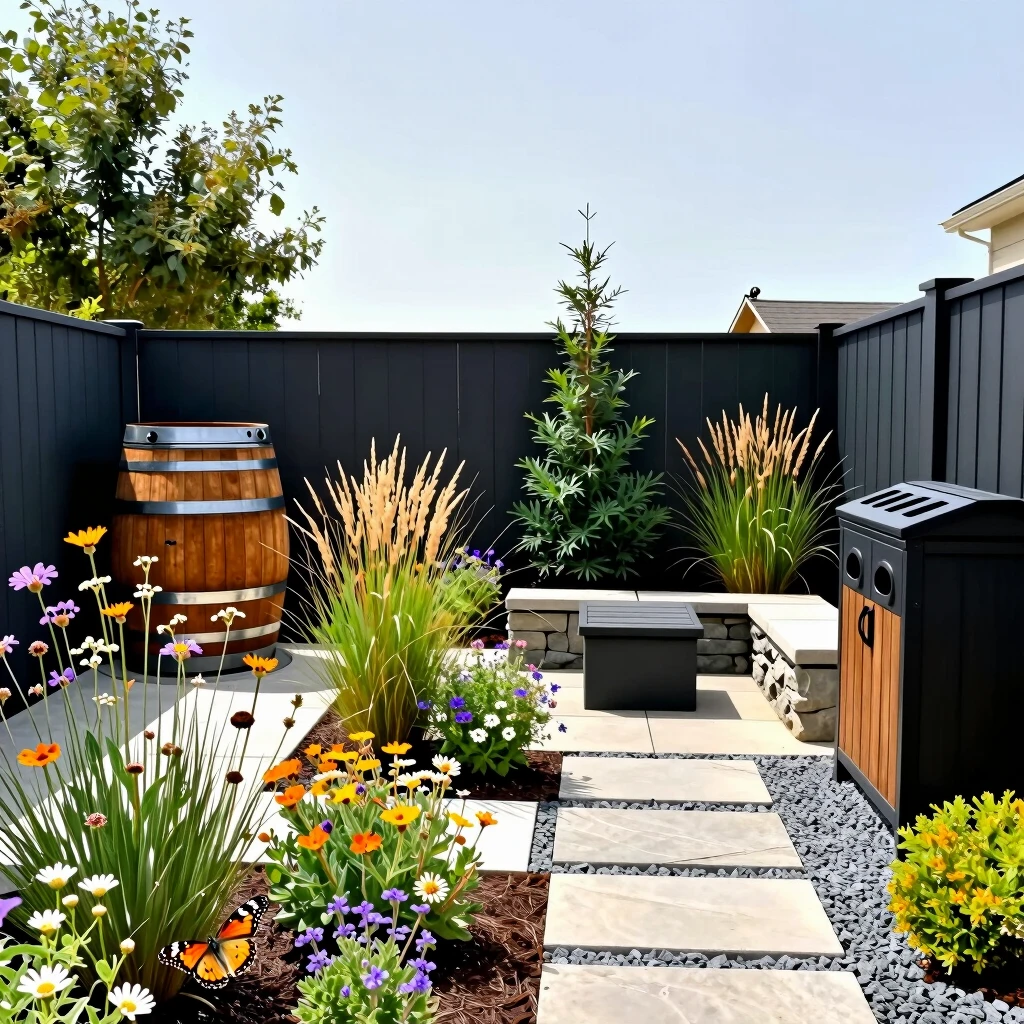
2. Outdoor Living Spaces
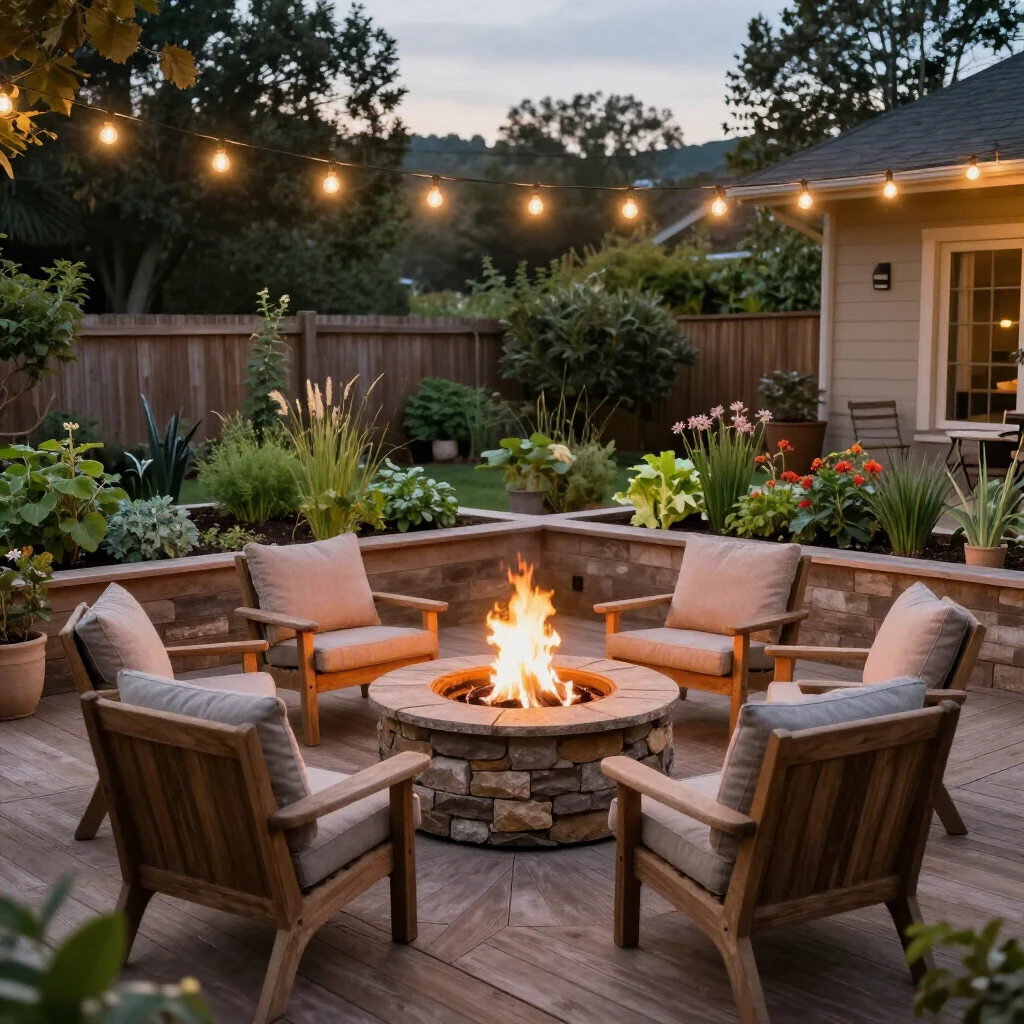
Homeowners are extending their living areas outdoors. Think comfortable patios, fire pits, and outdoor kitchens that feel like extra rooms.
These spaces are designed for year-round use with features like heaters, shade structures, and weather-resistant furniture. Natural materials—stone, wood, and gravel—keep the look warm and inviting.
Adding an outdoor living area is one of the best ways to increase your home's value before selling. Buyers love ready-to-enjoy spaces for entertaining or relaxing.
Smart lighting and automated irrigation make these areas easy to maintain. String lights, built-in seating, and water features create atmosphere without much effort.
3. Low-Maintenance and Climate-Resilient Designs
With busy lives and changing weather patterns, people want yards that look good without constant work.
Drought-tolerant plants, permeable paving, and smart irrigation systems are popular choices. These reduce water use and prevent runoff. The EPA's WaterSense landscaping tips show how small changes save water and money.
Many are reducing or removing traditional grass lawns. Instead, they use ground covers, mulch, and hardscaping. This approach saves time and resources while keeping the yard attractive.
Energy-efficient landscaping is another smart move. Properly placed trees and shrubs can shade your home in summer and block wind in winter. Learn more from the U.S. Department of Energy's guide.
4. Edible and Multifunctional Gardens
More people are growing food in their landscapes. Fruit trees, berry bushes, and vegetable beds mix beautifully with ornamental plants.
These gardens provide fresh produce and attract beneficial insects. They also add unique character to your yard.
Preparing Your Landscape for Sale or Appraisal
If you're planning to sell, focus on the front yard first. Clean edges, fresh mulch, and healthy plants create instant appeal. These steps help during the role of appraisals in real estate transactions, where exterior condition matters.
Simple updates like power washing walkways, painting the front door, and adding container plants make a strong impression without spending much.
To prepare your home for an appraisal, ensure the landscape looks well-maintained. Trim overgrown shrubs, remove dead plants, and fix any damaged hardscaping.
In conclusion, 2025 landscaping trends focus on sustainability, functionality, and beauty. By choosing native plants, creating outdoor rooms, and designing for low maintenance, you build a yard that's enjoyable today and valuable tomorrow. These changes enhance daily life while boosting curb appeal and home value for the future.


