Overview
Refinancing your mortgage can lower your monthly payments or help you pay off your home faster. But it comes with costs and risks. This guide breaks down the pros and cons of refinancing your mortgage to help you decide if it's worth it.

Many homeowners think about refinancing when interest rates drop or their financial situation changes. As of late 2025, 30-year fixed mortgage rates hover around 6.2-6.7%, down from higher levels in recent years.
Refinancing means replacing your current mortgage with a new one. You get new terms, like a different interest rate or mortgage term. The mortgage term is the length of time you have to repay the loan. Common mortgage terms for different loan types include 30 years for fixed-rate mortgages, 15 years for shorter options, or adjustable periods for ARMs.
The Main Pros of Refinancing Your Mortgage
Homeowners often refinance to save money or gain flexibility. Here are the biggest benefits:
- Lower Interest Rate and Monthly Payments If rates have fallen since you bought your home, refinancing can reduce your rate. Even a small drop saves thousands over time. For example, dropping from 7% to 6% on a $300,000 loan can cut your monthly payment by hundreds of dollars.
This is one of the top pros of refinancing your mortgage, especially if you plan to stay in your home for years.
- Shorten Your Mortgage Term You can switch to a shorter mortgage term, like from 30 years to 15 years. This builds equity faster and saves big on interest. Yes, monthly payments rise, but you own your home sooner.
According to the Federal Reserve's guide to mortgage refinancings, shortening the term can dramatically reduce total interest paid.
- Switch Loan Types If you have an adjustable-rate mortgage (ARM), refinancing to a fixed-rate loan locks in predictable payments. This protects you from rate hikes.
The Consumer Financial Protection Bureau (CFPB) notes that switching from an ARM provides peace of mind in uncertain markets.
-
Access Cash with Cash-Out Refinance A cash-out refinance lets you borrow more than you owe and pocket the difference. Use it for home improvements, debt payoff, or emergencies. Often, mortgage rates are lower than credit card or personal loan rates.
-
Remove Private Mortgage Insurance (PMI) If your home value has risen, refinancing can drop PMI if you reach 20% equity. This saves hundreds per month.
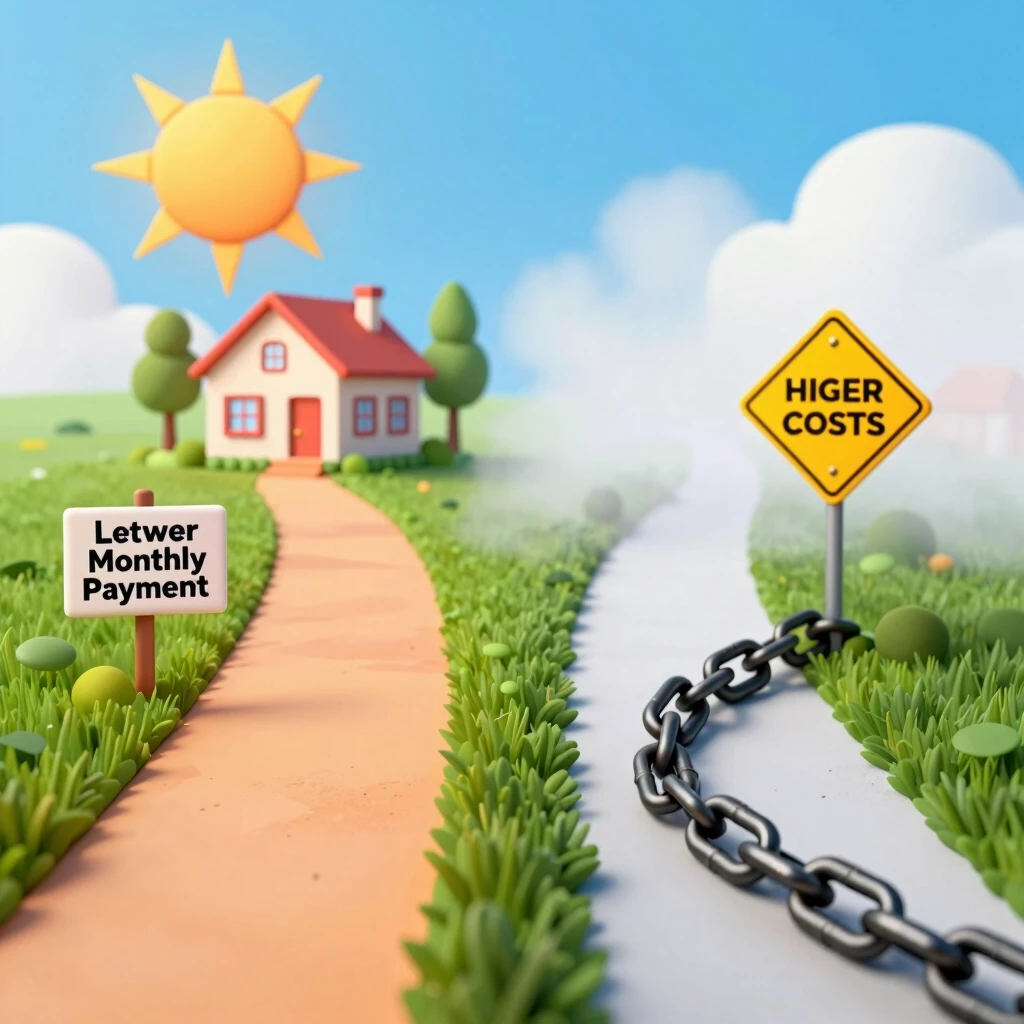
The Key Cons of Refinancing Your Mortgage
Refinancing isn't always a win. Consider these drawbacks carefully:
- Closing Costs and Fees Refinancing costs 2-6% of your loan amount, often $3,000-$6,000. You need to stay in the home long enough to recoup these through savings.
The Federal Reserve explains that these costs can offset benefits if you move soon.
- Extending the Mortgage Term Many refinance into a new 30-year term, even if they've paid on their old loan for years. This lowers payments but means paying interest longer and more total interest.
As highlighted in CFPB resources, resetting to a longer mortgage term for different loan types can increase lifetime costs.
-
Risk of Higher Payments If rates have risen or you choose a shorter term, payments could increase. Cash-out refinances raise your balance, too.
-
Credit Impact and Qualification Applying pulls your credit, temporarily lowering your score. You need good credit to qualify for the best rates.
-
Potential for Foreclosure Risk In cash-out refinances, borrowing more against your home increases debt. If values drop or you face hardship, risk rises.
CFPB reports note added risks in higher-rate environments.
| Pros | Cons |
|---|---|
| Lower monthly payments | High closing costs |
| Shorter mortgage term saves interest | Possible longer term increases total interest |
| Switch to fixed rate for stability | Temporary credit score dip |
| Access cash for needs | Higher risk with cash-out |
| Remove PMI | May not qualify if credit or equity issues |
I've seen friends refinance successfully and save thousands, but others regret it because they didn't crunch the numbers. One couple I know refinanced to a 15-year term and paid off their home early—they felt free sooner. Another extended their term for lower payments but ended up paying way more interest overall.
When Does Refinancing Make Sense?
Calculate your break-even point: Divide closing costs by monthly savings. If it's a few years and you plan to stay longer, go for it.
Shop multiple lenders. Current trends show rates stabilizing around 6%, so compare offers.
Talk to a trusted advisor. Use tools from reputable sources to run scenarios.

In summary, the pros and cons of refinancing your mortgage depend on your goals, current rates, and how long you'll stay in your home. It can be a powerful tool to save money or adjust your mortgage term, but weigh the costs carefully.
If rates drop further or your situation changes, refinancing could pay off big. Always do the math for your specific mortgage.


