Overview
Buying a home sparks joy, but picking the right mortgage matters a lot. This guide on understanding mortgage interest rates: fixed vs. adjustable helps you weigh options for stable payments or potential savings.
When you start thinking about buying a house, the mortgage looms large. It's the loan that lets you own your dream home without paying all cash upfront. But the interest rate on that mortgage shapes how much you pay over time. Today, we'll break down fixed-rate mortgages and adjustable-rate mortgages (ARMs). I'll share insights from my own home-buying journey and those of friends to make this real for you.
Interest rates are the cost of borrowing money. They add up over 15 or 30 years, so choosing wisely saves thousands. As of December 2025, average 30-year fixed rates hover around 6.2-6.3%, while ARMs often start lower, around 5-6% initially Freddie Mac. But rates change, so check current ones before deciding.

What Is a Fixed-Rate Mortgage?
A fixed-rate mortgage locks in your interest rate for the entire loan term. Whether it's 15, 20, or 30 years, your rate stays the same. This means your monthly payment for principal and interest doesn't change.
I chose a fixed-rate for my first home because I wanted peace of mind. Life throws curveballs—like job changes or family growth—and knowing my housing cost stayed steady helped me sleep better. Many people pick this option for the same reason.
Pros of Fixed-Rate Mortgages: - Predictable payments make budgeting easy. - Protection from rising rates; if market rates climb, yours doesn't. - Simpler to understand, especially for first-time buyers.
Cons: - Higher starting rates than ARMs. - If rates drop, you might need to refinance to save, which costs money. - Less flexibility if you plan to move soon.
According to Bankrate, fixed rates suit those staying in their home long-term Bankrate.
What Is an Adjustable-Rate Mortgage?
An ARM starts with a fixed rate for a set period—often 5, 7, or 10 years—then adjusts based on market indexes. Your rate could go up or down, changing your payments.
A friend went with a 5/1 ARM to buy a bigger house sooner. His initial rate was lower, saving him money early on. But he watched rates closely, ready to refinance if they rose. In a falling rate environment like parts of 2025, ARMs can shine MidFlorida Credit Union.
Pros of ARMs: - Lower initial rates mean smaller early payments. - Potential savings if rates fall. - Good for short-term homeowners who sell before adjustments.
Cons: - Payments can rise, straining your budget. - More complex with caps, indexes, and margins to learn. - Risk of higher costs if rates increase.
Experts at Churchill Mortgage note ARMs' complexity but highlight their appeal in uncertain markets Churchill Mortgage.
Fixed vs. Adjustable: Key Differences
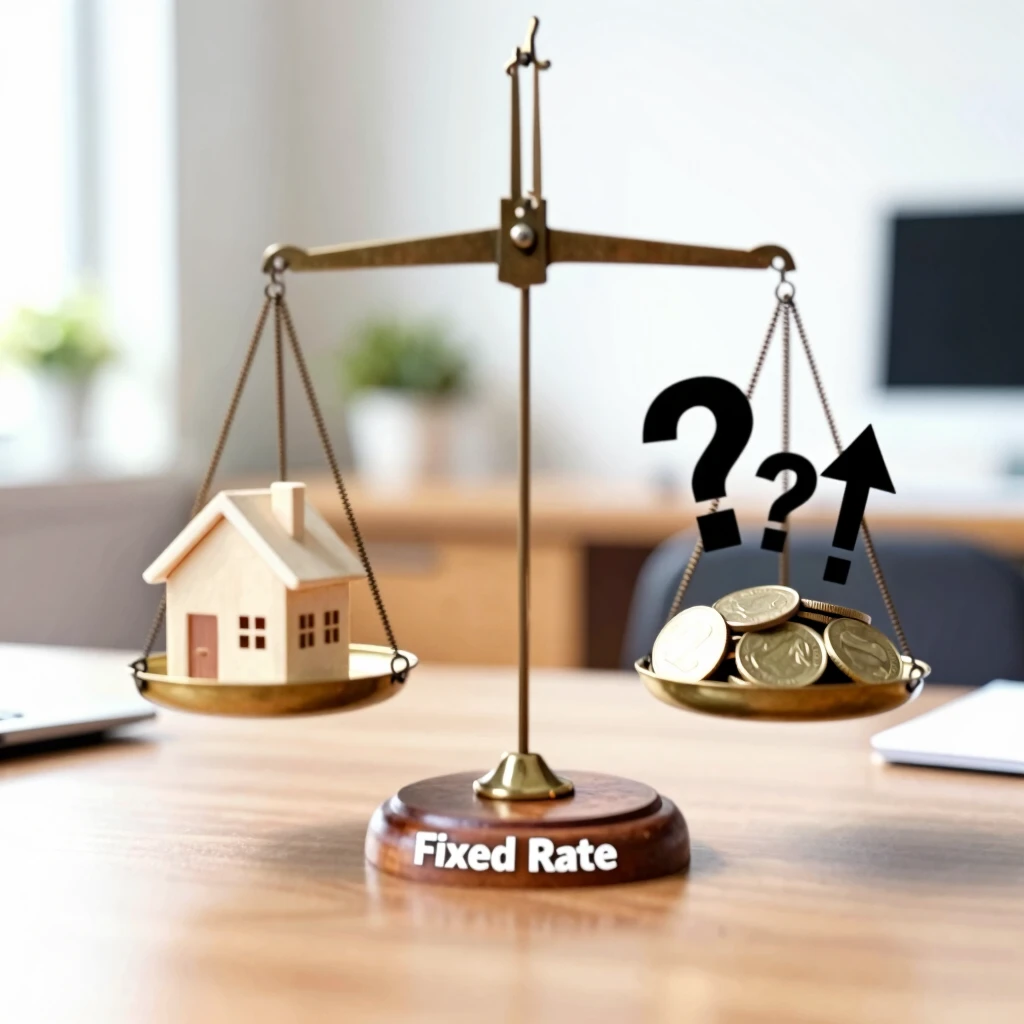
Let's compare them side by side to clarify understanding mortgage interest rates: fixed vs. adjustable.
| Aspect | Fixed-Rate Mortgage | Adjustable-Rate Mortgage |
|---|---|---|
| Rate Stability | Locked for entire term | Fixed initially, then adjusts |
| Initial Rate | Usually higher | Often lower |
| Payment Predictability | High | Variable after intro period |
| Best For | Long-term homeowners | Short-term stays or rate drops |
| Risk Level | Low (from rate changes) | Higher (potential increases) |
This table shows fixed offers stability, while ARMs provide upfront savings but with uncertainty Nusenda Credit Union.
How to Choose Between Fixed and Adjustable
Consider your plans. If you stay put for years, fixed might win. For a starter home or if rates may fall, an ARM could save money. Think about your risk tolerance—can you handle payment hikes?
From experience, calculate scenarios. Use online tools to see payments at different rates. In 2025, with rates steadying after Fed cuts, fixed feels safe for many Bankrate.
Factor in closing costs and fees. ARMs sometimes have lower ones, but check.
The Mortgage Application Process
Once you decide on a type, start your mortgage application. Lenders review your finances to approve the loan.
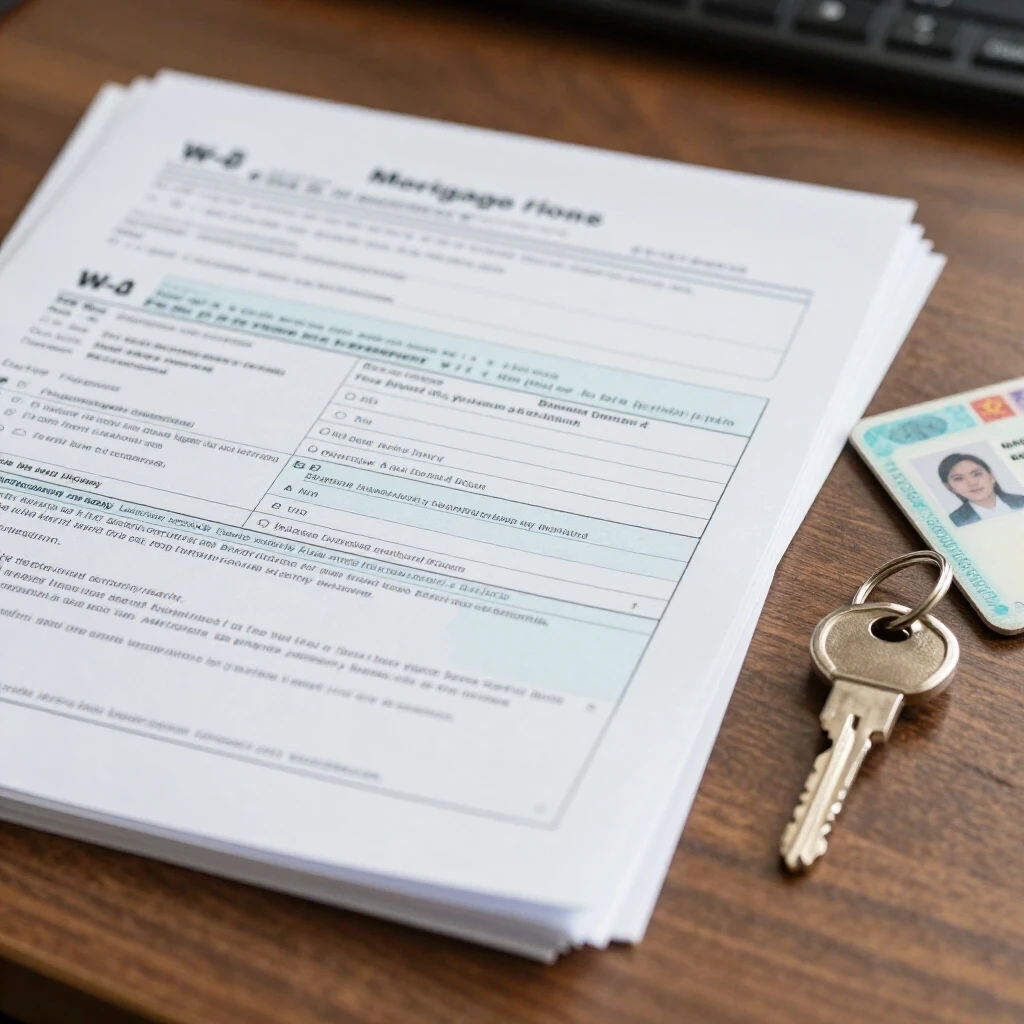
Gather required documents for mortgage application early to speed things up. Here's a checklist: - Proof of identity: Driver's license or passport. - Social Security number. - Pay stubs from the last 30-60 days. - W-2 forms and tax returns for two years. - Bank statements for all accounts (last two months). - Credit report (lenders pull it, but check yours first). - Employment verification. - Asset details, like investments or retirement accounts. - If applicable: Divorce decrees, gift letters, or rental history.
Fannie Mae lists these as standard Fannie Mae. Organize them digitally for easy submission.
Apply online or in person. Get pre-approved first—it shows sellers you're serious and helps budget.
A tip from my process: Boost your credit score before applying. Pay down debt and fix errors—it lowers your rate.
Personal Insights and Tips
I've seen friends regret ARMs when rates spiked unexpectedly. One refinanced to fixed, paying fees but gaining stability. Another stuck with fixed through rate drops and refinanced later, saving big.
In today's market, with inflation cooling, fixed rates provide security. But if you're savvy and monitor trends, an ARM might edge out.
Always shop lenders—rates vary. Use sites like Bank of America or Wells Fargo for quotes Bank of America.
Avoid common pitfalls: Don't stretch your budget. Factor in property taxes, insurance, and maintenance. Aim for payments under 28% of income.
If rates fall post-purchase, refinance. But weigh costs—typically 2-5% of loan amount.
Summary
Understanding mortgage interest rates: fixed vs. adjustable boils down to stability versus potential savings. Fixed suits most for predictability, while ARMs appeal to risk-takers or short-term owners. Prepare your mortgage application with key documents like pay stubs and tax returns. Choose based on your life plans for a smart mortgage decision.


