A Quick Overview
Buying your first home feels like a big adventure. In Comparing Mortgage Types: What’s Best for First-Time Buyers, we break it down simply. You’ll learn about loans, budgeting surprises, rate basics, handy tips, and even an FHA checklist. Let’s make your dream home real without the stress. (38 words)
Why Compare Mortgage Types?
Picture this: You spot the perfect starter home, but the loan part trips you up. That’s where comparing mortgage types comes in. As a first-time buyer, you want a loan that fits your wallet and life.
I remember my own hunt years back. I almost signed for a loan with hidden fees. Comparing saved me thousands. Today, let’s explore options like conventional, FHA, VA, and USDA loans. Each has perks for newbies like you.
Start with your basics. How much do you earn? What’s your credit score? These shape your choices. Don’t worry—we’ll cover it all step by step.

What to Expect When Budgeting for Your First Home
Budgeting hits different when it’s your first home. You think of the down payment, but surprises lurk. What to Expect When Budgeting for Your First Home starts with the 28/36 rule: Keep housing costs under 28% of your income, total debt under 36%.
Expect closing costs—2-5% of the home price. That’s appraisals, inspections, and fees. Add moving trucks and minor fixes. My tip? Stash an emergency fund equal to three months’ expenses.
Track everything. Use a simple app or spreadsheet. List income, debts, and savings goals. Aim for 20% down if you can, but many loans allow less.
Here’s a quick budget table to guide you:
| Category | Estimated Cost | Notes |
|---|---|---|
| Down Payment | 3-20% of home price | Lower for FHA |
| Closing Costs | 2-5% | Shop lenders |
| Monthly Payment | Under 28% income | Include taxes, insurance |
| Reserves | 3-6 months expenses | For surprises |
This setup keeps you grounded.
One surprise? Homeowners insurance jumps up front. Factor in property taxes too—they vary by area. Talk to locals for real numbers. Budgeting isn’t just math; it’s peace of mind.
How to Understand Mortgage Rates as a First-Time Buyer
Rates can confuse anyone. How to Understand Mortgage Rates as a First-Time Buyer boils it down: Fixed rates stay put for 15 or 30 years. Adjustable rates (ARMs) start low but shift.
Why care? A 1% rate hike on a $200,000 loan adds $100 monthly. Shop around—rates differ by lender. Check your credit; scores over 740 snag the best deals.
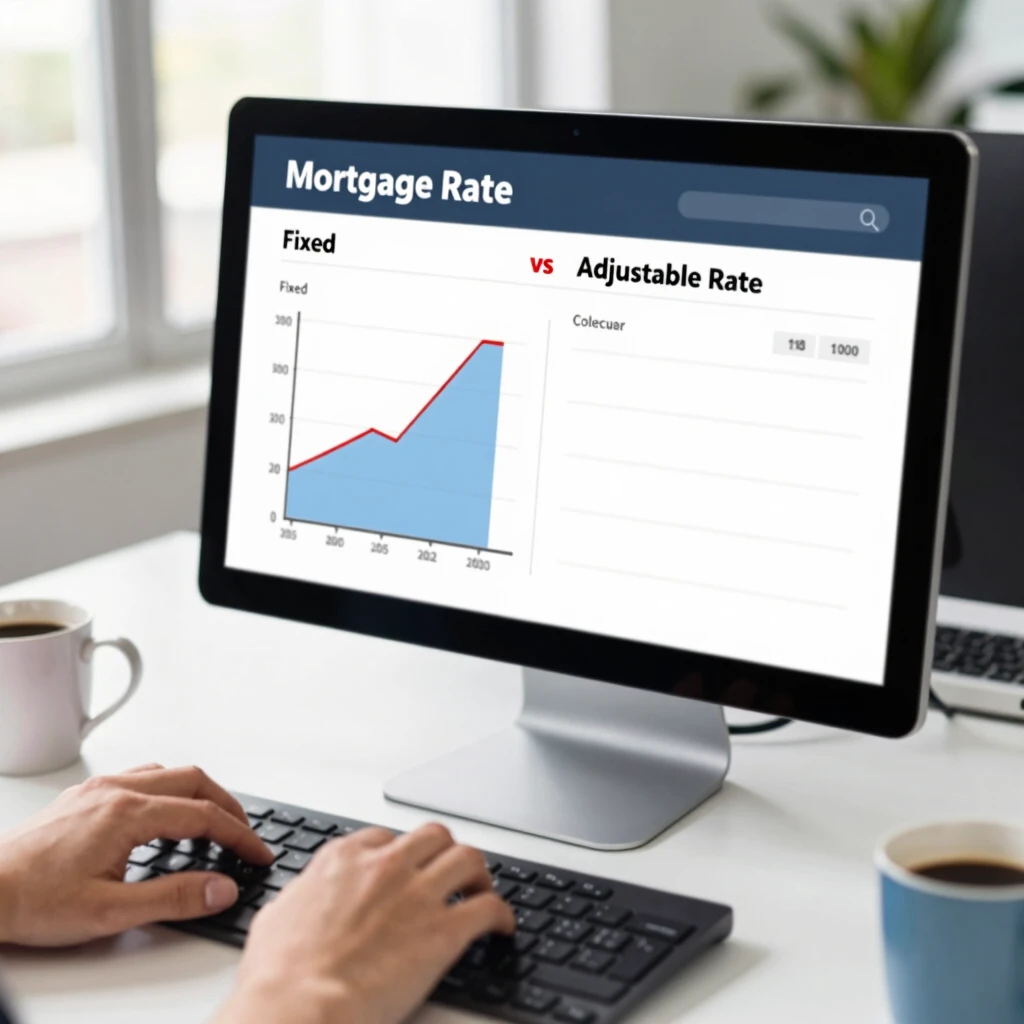
Lock in when rates dip. Use online tools from sites like Bankrate for quotes. Remember, points—upfront fees—can lower your rate. Weigh if it pays off long-term.
Pro insight: In 2022, I locked a fixed rate just before hikes. It felt like winning the lottery. Stay informed via Freddie Mac’s weekly survey (freddiemac.com). Knowledge is your edge.
Breaking Down Mortgage Types
Time to compare. Conventional loans need good credit (620+) and 3-20% down. They’re flexible but stricter on approval.
FHA loans shine for first-timers. Just 3.5% down, credit as low as 580. Backed by the government, they’re forgiving. Great if you’re tight on cash.
VA loans? Zero down for veterans—pure gold. USDA helps rural buyers with no down payment too. Each fits a niche.
Here’s a comparison table:
| Loan Type | Down Payment | Credit Min | Best For |
|---|---|---|---|
| Conventional | 3-20% | 620 | Strong credit |
| FHA | 3.5% | 580 | Low down payment |
| VA | 0% | None | Military |
| USDA | 0% | 640 | Rural areas |
Pick based on your story. FHA often wins for city newbies.
Personal note: A friend chose FHA for its low entry. She built equity fast. You can too—start small, dream big.

10 Tips for First-Time Homebuyers
Ready for action? Here are 10 Tips for First-Time Homebuyers to ease the ride:
-
Get Pre-Approved: Know your budget upfront. It shows sellers you’re serious.
-
Save Aggressively: Aim for that down payment plus extras.
-
Check Credit Early: Fix errors months ahead.
-
Hire a Buyer’s Agent: They spot deals you miss.
-
Inspect Everything: Don’t skip the home check.
-
Shop Lenders: Compare at least three.
-
Understand PMI: It protects if down payment’s low.
-
Plan for Rates: Fixed or ARM? Match your stay length.
-
Learn Local Markets: Prices vary block to block.
-
Celebrate Small Wins: Like finding the perfect kitchen.
These steps turned my overwhelm into excitement. Follow them—you’ll thrive.
Each tip builds confidence. Mix them with patience, and you’re golden.
FHA Loan Application Checklist
FHA loans need paperwork, but it’s doable. Use this FHA loan application checklist:
- Proof of Income: Pay stubs, tax returns (last two years).
- Employment History: W-2s, verification letter.
- Credit Report: Pull your own first.
- Bank Statements: Three months to show savings.
- Debt Details: Student loans, cards—list them.
- Home Appraisal: Lender orders, but prep docs.
- ID and SSN: Basics, but don’t forget.
- Down Payment Funds: Gift letters if from family.
Gather in a folder. Submit to your lender early. I once forgot bank statements—delayed closing by weeks. Learn from me: Double-check.
FHA’s site (hud.gov) has free guides. Pair with a counselor for free advice via HUD-approved lists.
From my chats with buyers, this list cuts stress by half. You’ve got this.
Wrapping It Up
Comparing mortgage types opens doors. Whether FHA’s low barrier or conventional’s flexibility calls, choose what fits. Budget smart, grasp rates, tip your way forward. Your first home waits—step in with eyes wide open. Homeownership’s rewards outweigh the work. (52 words)
Stay curious. Revisit rates, tweak budgets. You’re building more than walls—a legacy.


