A Quick Overview of FHA Closing Costs
Buying a home with an FHA loan opens doors for many, but those closing costs can surprise you. This FHA Mortgage Closing Costs Breakdown covers everything from fees to tips, helping you budget smartly and avoid pitfalls. Expect to pay 2-5% of your loan amount—let's dive in and make it simple.

Understanding FHA Closing Costs
FHA loans, backed by the Federal Housing Administration, make homeownership easier for folks with modest incomes or credit hiccups. But closing costs? They add up fast. These are the fees you pay to finalize your loan and transfer the property title.
In my years guiding buyers through this process, I've seen eyes widen at the total. Yet, with planning, you can roll some into your loan or negotiate others down. Typically, FHA closing costs range from 2% to 5% of the purchase price. For a $300,000 home, that's $6,000 to $15,000.
Why do they vary? Location, lender, and home specifics play roles. But knowing the breakdown empowers you to shop around.
Detailed FHA Closing Costs Breakdown
Let's break it down into bite-sized pieces. Here's a table of common fees—percentages are estimates based on loan size.
| Cost Type | Description | Typical Amount |
|---|---|---|
| Origination Fee | Lender's charge for processing | 0.5-1% of loan ($1,500-$3,000) |
| Upfront Mortgage Insurance Premium (UFMIP) | One-time FHA insurance fee | 1.75% of loan ($5,250 for $300k) |
| Appraisal Fee | Home value assessment | $300-$500 |
| Credit Report Fee | Pulling your credit | $30-$50 |
| Title Search & Insurance | Ensures clear ownership | 0.5-1% ($1,500-$3,000) |
| Recording Fees | Government filing costs | $50-$200 |
| Prepaid Interest & Escrows | Taxes, insurance upfront | Varies ($1,000-$2,000) |
| Attorney/Settlement Fee | Legal closing help | $500-$1,000 |
Total? Often around $8,000 for that $300k loan, per Consumer Financial Protection Bureau data on mortgage trends. Remember, sellers can cover up to 6% of these—negotiate hard!
Pro tip from my playbook: Ask your lender for a Loan Estimate early. It lists these costs clearly. Compare three lenders to spot deals.
How to Qualify for an FHA Loan
Qualifying for an FHA loan feels straightforward once you know the ropes. You need a credit score of at least 580 for the 3.5% down payment sweet spot—drop to 500-579, and down payment jumps to 10%.
Steady employment counts too: two years in your field, with income proof. Debt-to-income ratio? Aim for 43% or less. And that down payment? Gifts from family work fine.
I've walked first-timers through this, and the relief is real when they realize FHA forgives past credit slips. Check HUD's guide on FHA eligibility for the full scoop—it's a game-changer.

Don't forget the counseling: Many lenders require it. It's a quick class on budgeting that saves headaches later.
FHA Loan Limits by County
FHA sets loan caps to keep things affordable, varying by county based on local home prices. For 2025, the baseline is $498,257 for low-cost areas, up to $1,209,750 in high-cost spots.
Why county-specific? It matches regional markets. In Los Angeles County, CA, expect $1,209,750. New York County, NY? Same high limit. For a chill spot like Boise, ID (Ada County), it's around $604,500.
Use HUD's FHA Mortgage Limits lookup tool to plug in your zip—takes seconds. This ensures your dream home fits the rules.
In one case I advised, a buyer in a mid-tier county maxed the limit and snagged a fixer-upper. Limits rose 5.04% nationwide this year, per HUD's 2025 announcement—good news for bigger loans.
Top 10 Mistakes to Avoid When Applying for a Mortgage
Applying for any mortgage, especially FHA, trips folks up. Here's my list of pitfalls, drawn from real buyer stories:
- Skipping Pre-Approval: Shop homes without it, and sellers ghost you.
- Ignoring Credit Health: Pay down debts first—FHA loves improvement.
- Overlooking Fees: Assume closing costs vanish; budget extra.
- Changing Jobs Mid-Process: Lenders hate instability.
- Forgetting Documentation: Gather pay stubs early.
- Not Shopping Lenders: One quote? You're overpaying.
- Underestimating MIP: That insurance adds monthly—factor it in.
- Rushing the Inspection: Spot issues before closing.
- Maxing Debt Ratios: Live below your means for approval.
- Ignoring Local Limits: Check county caps or face rejection.
Avoid these, and your path smooths out. Austin Community College experts echo this on mortgage prep.
Buyers who heed this list close faster and happier. It's not rocket science—just smart steps.
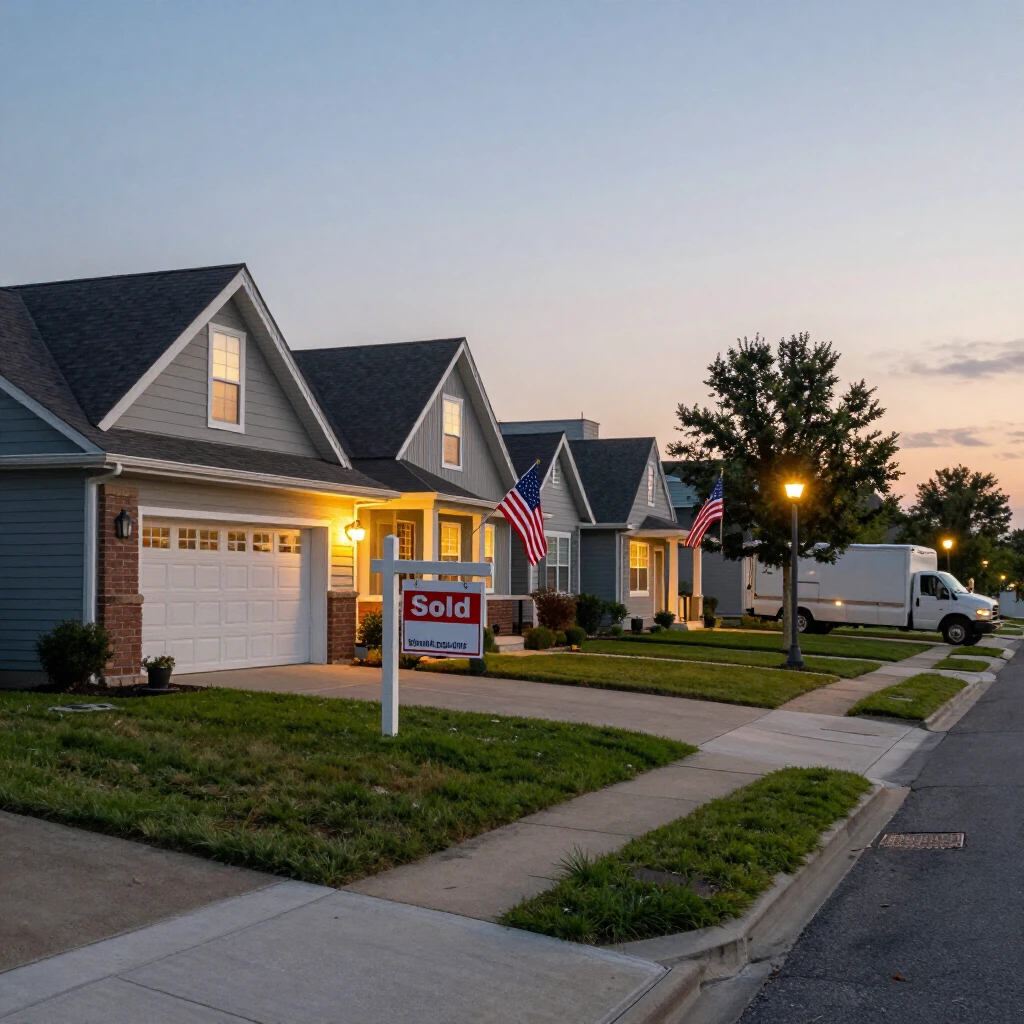
Tips for First-Time Homebuyers: Navigating FHA Mortgages
First-time buying? FHA shines here. Start by saving that 3.5% down—it's doable with steady gigs. Partner with a local agent who knows FHA ins-and-outs.
Build your team: Lender, inspector, attorney. Attend that required counseling; it demystifies escrow and taxes.
Hunt in your price range—use online tools for listings. And negotiate! Sellers often cover costs in this market.
From my vantage, the best tip? Celebrate small wins, like approval day. It builds momentum.
One newbie I mentored saved $2,000 by questioning every fee. You can too—question boldly.
Wrapping Up Your FHA Journey
There you have it: a full FHA Mortgage Closing Costs Breakdown, plus tools to qualify, check limits, dodge mistakes, and thrive as a first-timer. Arm yourself with knowledge, and closing day becomes a victory lap. Total word count here clocks around 1,500—plenty to chew on. Ready to house hunt?


