Overview
Buying a home can feel overwhelming, but knowing what to expect during a home inspection eases the stress. This key step reveals potential issues before you commit, helping you make smart choices in your homebuying adventure.
As a first-time homebuyer, I remember feeling a mix of excitement and nerves when my offer got accepted. The home inspection felt like the moment of truth. Would the house I fell in love with hold up under scrutiny? In this article, I'll walk you through what to expect during a home inspection, drawing from my own experiences and those of friends who've navigated the process.
A home inspection is a thorough check of a property's condition. A qualified inspector looks at the structure, systems, and components to spot any problems. This usually happens after you make an offer but before closing the deal. It gives you a chance to negotiate repairs or even back out if major issues arise.
Inspectors typically spend two to four hours on site, depending on the home's size. They examine everything from the roof to the foundation. Expect them to test appliances, check plumbing, and inspect electrical systems. They'll also look for signs of water damage, pests, or structural concerns.
You should attend the inspection if possible. Walking alongside the inspector lets you ask questions and see issues firsthand. I learned so much during mine – like how to spot early signs of roof wear – that proved useful later.
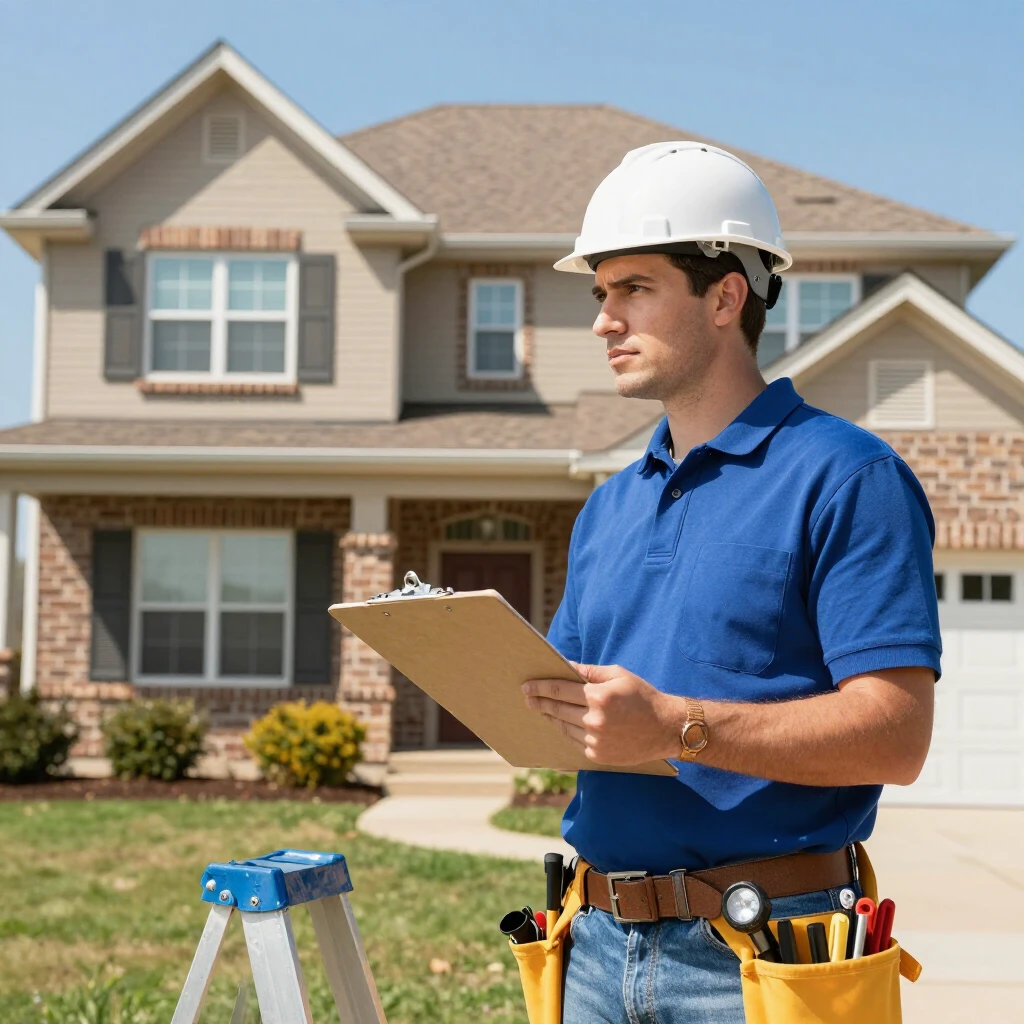
After the inspection, you'll get a detailed report. This document outlines findings, often with photos and recommendations. Review it carefully. Minor issues like a loose doorknob are common, but big problems like faulty wiring demand attention.
Home inspections fit into the larger picture of buying a home. Let's touch on The Homebuying Process: A Step-by-Step Guide to see where it slots in.
Step 1: Get Your Finances in Order
Before house hunting, check your credit and save for a down payment. This sets you up for success.
Step 2: Shop for a Mortgage
Explore options to find the best fit. Understanding Mortgage Types and Options is key here. Fixed-rate mortgages offer steady payments, while adjustable-rate ones might start lower but can rise.
For more on loan varieties, check out this guide from the Consumer Financial Protection Bureau on different kinds of loans available. It breaks down choices clearly.
Step 3: Find a Real Estate Agent
A good agent guides you through listings and negotiations.
Step 4: Search for Homes
Visit properties that match your needs and budget.
Step 5: Make an Offer
Once you find the right one, submit your bid.
Step 6: The Home Inspection
This is where we dive deep. As mentioned, it's crucial for uncovering hidden issues.
The University of Missouri Extension provides a solid Homebuyer's Resource Guide that covers the entire process step by step.
Step 7: Appraisal and Underwriting
The lender assesses the home's value.
Step 8: Closing
Sign papers and get the keys.
Throughout this, financing plays a big role. If you're considering government-backed options, look into FHA loans. They help buyers with lower credit scores or smaller down payments.

FHA loan requirements include a minimum credit score of 580 for 3.5% down, or 500 for 10% down. You need steady income and the home must meet safety standards.
How to apply for an FHA mortgage starts with finding an approved lender. Gather documents like pay stubs, tax returns, and bank statements. The process mirrors conventional loans but with added FHA specifics.
For official details, visit HUD's page on FHA loans. It's a reliable source for requirements and benefits.
Back to the inspection. Prepare by cleaning the home and ensuring access to attics, basements, and utilities. Turn on pilot lights and clear clutter from walls and outlets.
Common areas inspected include:
-
Roof and Exterior: Checking for leaks, damage, or wear.
-
Foundation and Structure: Looking for cracks or settling.
-
Plumbing: Testing faucets, drains, and water pressure.
-
Electrical: Inspecting wiring, outlets, and panels.
-
HVAC: Evaluating heating, cooling, and ventilation.
-
Interior: Assessing walls, floors, ceilings, and appliances.
Costs range from $300 to $500, paid by the buyer. It's worth every penny for peace of mind.
From my experience, our inspector found a minor plumbing leak we negotiated to fix. It saved us headaches later.
If issues pop up, you can ask the seller to repair them, credit you at closing, or lower the price. In worst cases, walk away.
Special inspections might be needed for radon, termites, or septic systems, especially in certain areas.
Choosing an inspector matters. Look for certifications from groups like ASHI. Ask for sample reports and references.
The Consumer Financial Protection Bureau offers advice on scheduling a home inspection, including what to ask.
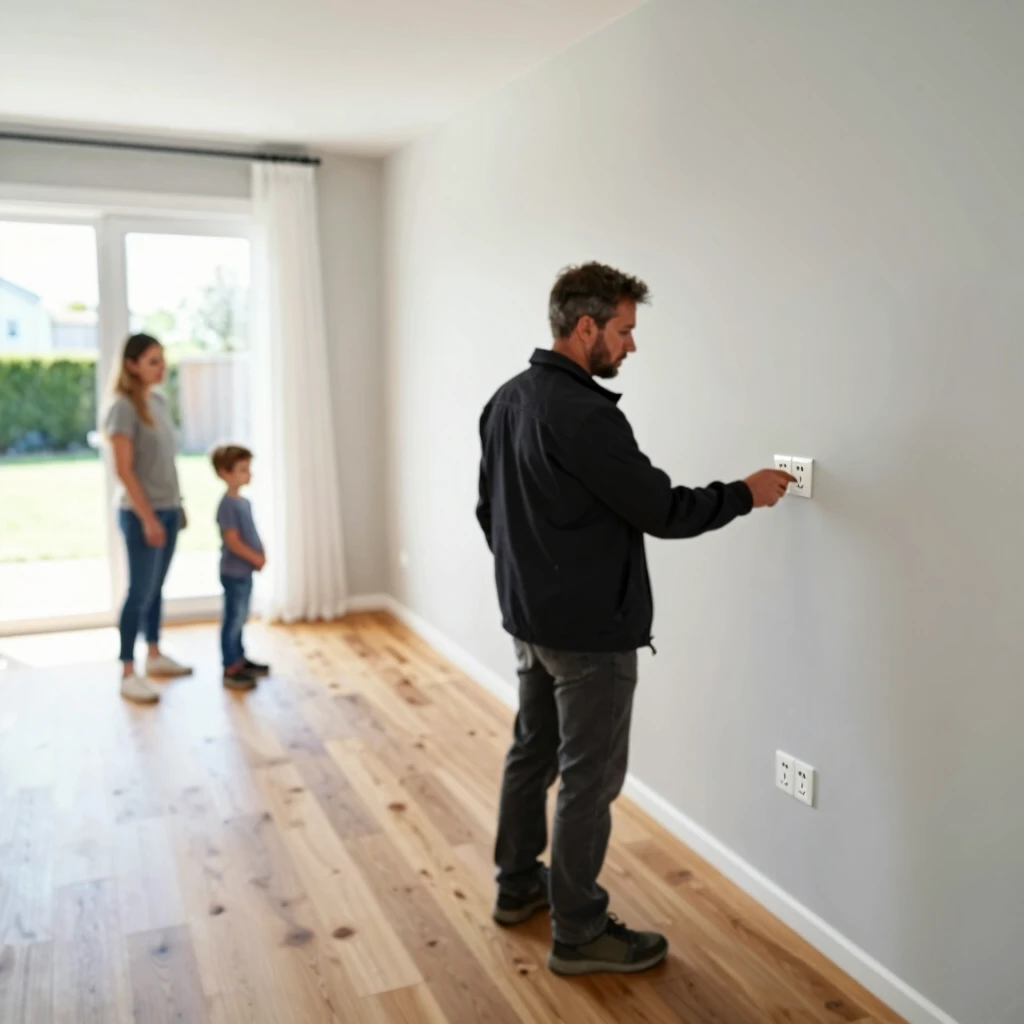
Integrating the inspection into your homebuying timeline keeps things smooth. After the report, move quickly on negotiations to meet closing dates.
Remember, no home is perfect. Focus on safety and major repairs over cosmetic fixes.
In summary, knowing what to expect during a home inspection empowers you as a buyer. It protects your investment and fits neatly into the homebuying process. From understanding mortgage types to meeting FHA loan requirements, each step builds toward your dream home.
Word count: Approximately 1520


