Overview
In 2023, the real estate market saw big changes. Mortgage rates hit highs not seen in years, home sales dropped, and inventory stayed low. Prices rose overall but slowed down, creating a tough spot for many buyers and sellers.
Introduction to the Real Estate Market in 2023
The real estate market in 2023 felt like a roller coaster for many people. As someone who has followed housing trends closely and even helped friends navigate buying homes during that time, I saw firsthand how rising costs and uncertainty affected decisions. This year marked a shift from the fast-paced buying frenzy of previous years to a more cautious approach. Buyers waited on the sidelines, sellers held onto their properties, and the whole market adjusted to new realities.
Key real estate market trends in 2023 included higher mortgage rates, persistent inventory shortages, and moderating home prices. These factors shaped how people approached real estate, whether they were first-time buyers or seasoned investors. Let's dive into what happened and why it matters.
Mortgage Rates Soared and Impacted Affordability
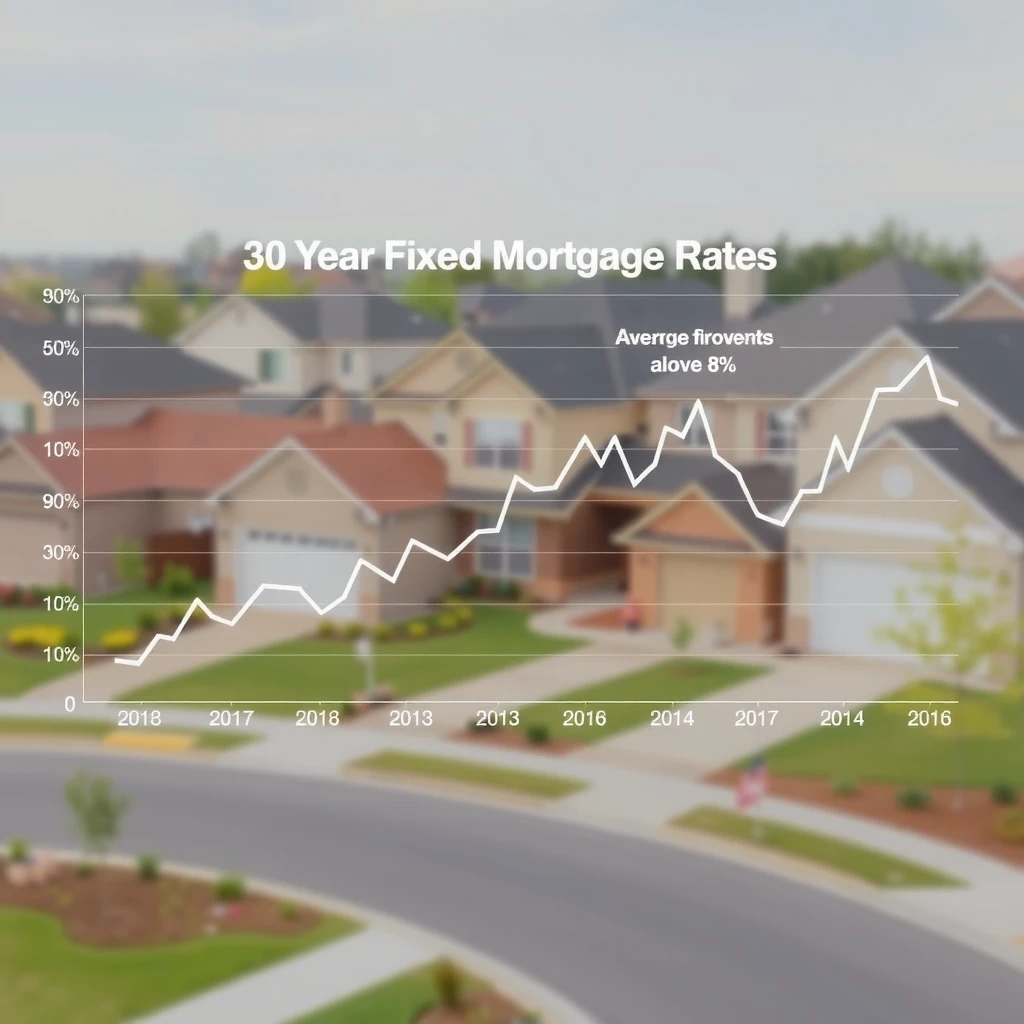
One of the biggest stories in the real estate market trends in 2023 was the jump in mortgage rates. Rates for a 30-year fixed mortgage went over 8% for the first time in more than 20 years. This happened because inflation stayed high early in the year, pushing the Federal Reserve to keep interest rates up.
From my experience, this made buying a home much harder for average families. A friend of mine delayed purchasing because his monthly payments would have jumped by hundreds of dollars. Data shows that the share of affordable homes for typical households hit a low point.
Rates started the year around 6.4% and climbed steadily. By fall, they peaked, but then began to drop a bit toward the end of the year. Experts predicted rates might settle around 5.7% to 7.1%, but the highs scared off many buyers.
For more on how rates affected prices, check out the Federal Housing Finance Agency's House Price Index, which tracks how these changes played out across the country.
Home Prices Rose but at a Slower Pace
Despite the challenges, home prices in the real estate market kept climbing in 2023, though not as fast as before. The national median sale price hit around $409,000, which was higher than any year before. Prices rose about 6.6% from the first quarter of 2023 to the first quarter of 2024, showing steady growth.
In some areas, prices even started to drop. Places like San Francisco saw declines of up to 3.7%, while others like Vermont jumped 12.8%. This regional mix meant that while half the country saw small gains, the other half had slight drops.
I remember advising a relative to sell in a hot Midwest market where prices were up 9.9% in states like Wisconsin. It worked out well for them. Overall, the U.S. housing market had positive appreciation every quarter since 2012, but 2023 felt like the start of a slowdown.
To understand the housing shortage behind these prices, see this analysis from Brookings Institution, which estimates a 4.9 million unit shortfall in 2023.
Inventory Stayed Low, Sales Dropped
Inventory was a major issue in the real estate market trends in 2023. The number of homes for sale averaged about 1 million, down slightly from the year before. New listings fell 16.4% to their lowest level ever, as homeowners with low-rate mortgages from earlier years didn't want to sell and face higher rates.
This low supply led to fewer sales. Home sales dropped more than 18%, with only about 4.1 million existing homes sold—the lowest since 2012. New home sales were down 15.5% year-over-year in the first quarter.
Homes spent more time on the market, averaging 37 days, up from 27 days in 2022. More sellers cut prices—15.3% of listings saw drops—and offered perks like help with closing costs.
In the first quarter, existing inventory rose a bit to 970,000 homes, but it was still tight with just 2.6 months of supply. Builders started fewer homes, down 19.5% over the year, due to high costs and low confidence.
For a detailed look at early 2023 indicators, refer to the HUD National Housing Market Summary.
Shifts in Buyer and Seller Behaviors
Buyers in 2023 acted differently. A record 26% looked to move to new areas, favoring sunny, affordable spots like Las Vegas and Miami. Cash buys hit 32.7%, the highest in a decade, as wealthy buyers avoided high rates.
Bidding wars cooled off, with only 51.6% of homes facing them, down from 54%. Luxury sales fell 23.8%, the biggest drop ever.
Sellers held back, but when they listed, they often had to adjust expectations. Investors pulled back too, with purchases down 48.6% in the first quarter.
From what I saw, people focused more on needs over wants. Families prioritized space and location, even if it meant waiting for better rates.
The Rental Market Remained Tight
Renters faced high costs in 2023. The median rent hit $1,992, the highest ever, though growth slowed by year's end. Affordability worsened, with the HUD Rental Affordability Index dropping to 92.1 in the first quarter.
More multifamily units started, up 3.9% year-over-year early on, but overall, the market stayed competitive. Many chose to rent longer due to buying challenges.
Insights from the Federal Reserve's Economic Well-Being Report show median rent at $1,100, highlighting the strain on households.

Personal Insights and Actionable Advice
Looking back, 2023 taught me that patience pays off in real estate. I helped a couple buy their first home by suggesting they focus on up-and-coming neighborhoods where prices hadn't spiked as much. They saved money and got a great deal.
If you're in the market, start by checking your credit and saving for a down payment. Consider areas with growing jobs, like parts of the Midwest. Use tools like online calculators to see how rates affect payments.
Also, think about long-term needs. With inventory low, be ready to act when the right home comes up, but don't rush into overpaying.
Here's a quick list of tips:
- Monitor rates weekly.
- Get pre-approved for a loan.
- Explore buyer incentives from builders.
- Consider renting short-term if buying feels out of reach.
And a table comparing key metrics:
| Metric | 2022 | 2023 |
|---|---|---|
| Median Home Price | $398,000 | $409,000 |
| Home Sales | 5.03 million | 4.1 million |
| Mortgage Rate Avg | 5.34% | 6.81% |
| Inventory (months) | 2.1 | 2.4 |
Summary
The real estate market trends in 2023 showed a market cooling off after years of rapid growth. High rates, low supply, and fewer sales defined the year, but prices held strong overall. As we move forward, these shifts offer lessons for smarter decisions in real estate.


