Overview
Buying a home is exciting, but a home inspection can reveal hidden issues. In Home Inspections 101: What to Expect, learn the process, key findings, and how it connects to your mortgage term. This guide helps first-time buyers avoid surprises.
Buying your first home feels like a big adventure. You find the perfect place, make an offer, and then comes the home inspection. If you're new to this, you might wonder what happens next. That's where Home Inspections 101: What to Expect comes in. This article breaks it down simply, sharing what I've seen from helping friends and family through the process.
A home inspection checks the house's condition. A trained inspector looks at everything from the roof to the basement. They spot problems that could cost you money later. For first-time buyers, this step is key. It gives you power to negotiate or walk away if needed.
Why Get a Home Inspection?
Think of a home inspection as a health check for the house. It uncovers issues the seller might not mention. In my experience, one friend bought a home without an inspection and later found leaky pipes. That repair bill was huge.
For first-time homebuyers, tips you'll wish you knew include always budgeting for an inspection. It costs $300 to $500, but it saves thousands. Plus, it ties into your mortgage. Lenders often require inspections to protect their investment. Understanding mortgage term agreements means knowing how inspection results can affect your loan approval or require fixes before closing.
Inspections also give peace of mind. You learn about the home's systems, like electrical and plumbing. This knowledge helps you plan maintenance. If you're getting a mortgage, the report might influence the mortgage term. For example, major issues could lead to renegotiating the price or terms.
Choosing the Right Inspector
Pick an inspector carefully. Look for someone certified by groups like the American Society of Home Inspectors. Ask for references and read reviews. I once recommended an inspector to a cousin, and they caught a foundation crack that saved her from a bad deal.
Interview a few. Ask about their experience and what their report includes. Some use drones for roof checks, which is cool and safe.
What Happens During the Inspection?
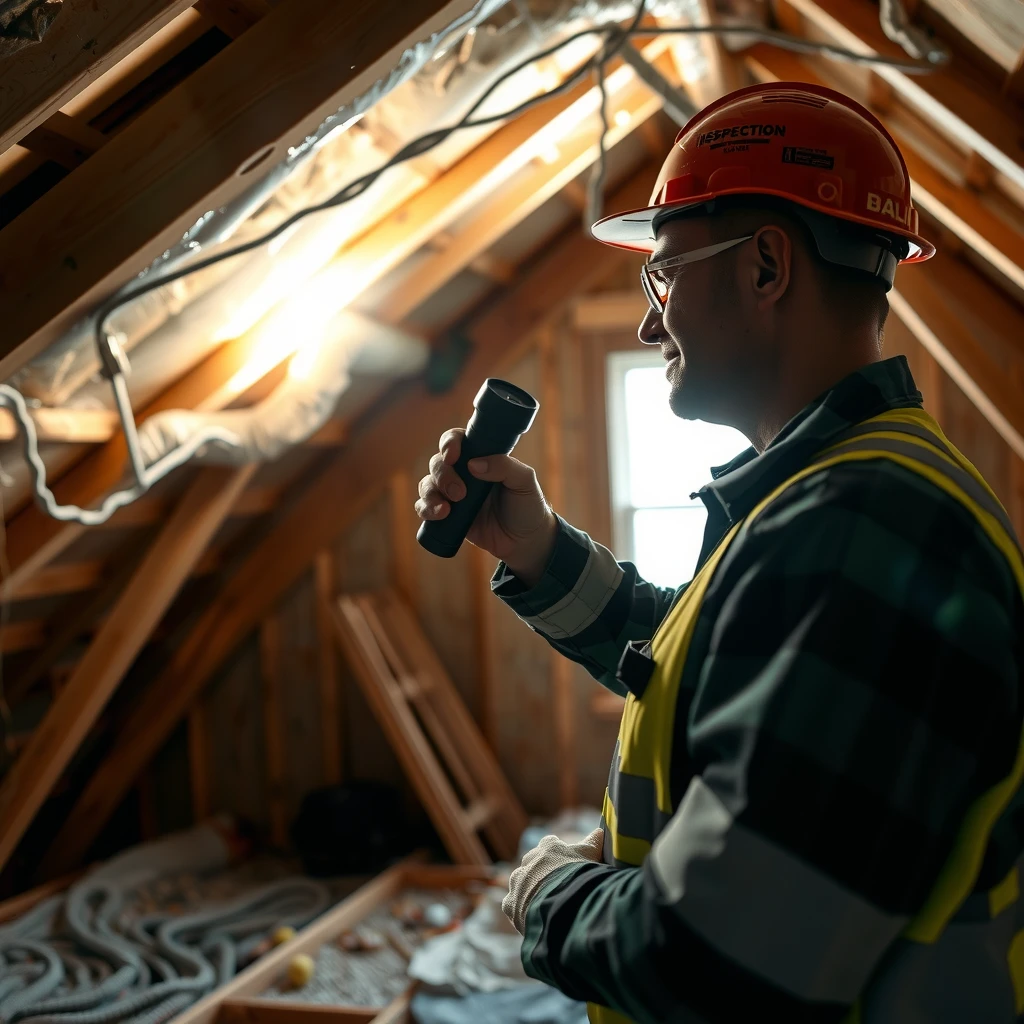
The inspection usually takes 2 to 4 hours, depending on the home's size. You should attend if possible. Walk with the inspector and ask questions. They start outside, checking the roof, siding, and foundation.
Inside, they test appliances, outlets, and windows. They look for water damage, mold, or pests. In the basement, they check for cracks or flooding signs. Up in the attic, insulation and ventilation matter.
Expect the inspector to point out both big and small issues. Not everything is a deal-breaker. Some are just maintenance tips.
Common Areas Inspected
Here's a quick list of what they cover: - Structural elements: Foundation, walls, floors. - Exterior: Roof, gutters, driveway. - Interior: Doors, windows, ceilings. - Plumbing: Pipes, fixtures, water heater. - Electrical: Wiring, panels, outlets. - HVAC: Furnace, AC, ducts. - Appliances: If included in the sale.
This checklist helps you follow along.
Common Problems Found
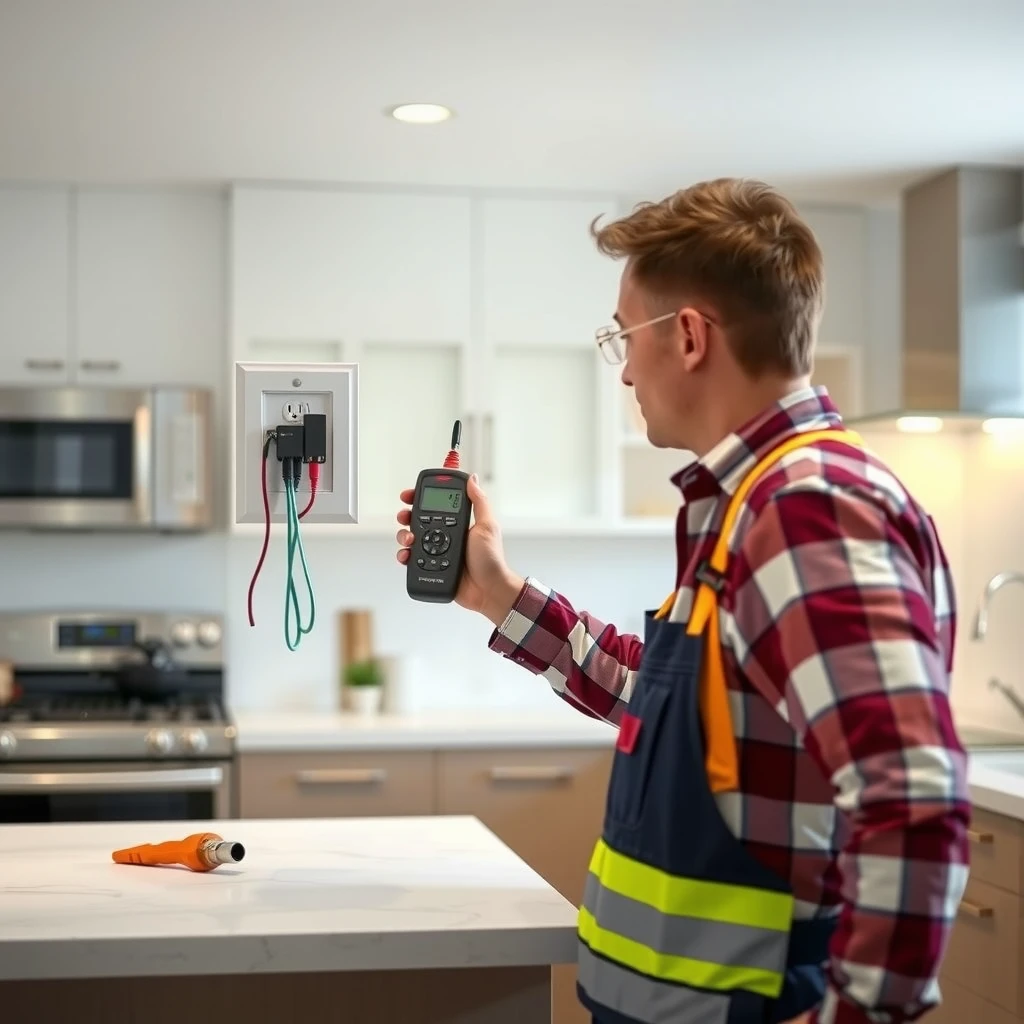
Inspections often reveal roof issues, like missing shingles or leaks. Electrical problems, such as outdated wiring, are common in older homes. Plumbing leaks can lead to mold.
In one case I know, an inspection found radon gas, which is harmful. The seller fixed it, and the deal went through. For first-time homebuyer tips you'll wish you knew: Always test for radon, especially in certain areas.
Other finds include poor insulation, which raises energy bills, or pest damage from termites. These can impact your mortgage if they require costly fixes.
How Inspections Affect Your Mortgage
Understanding mortgage term agreements is crucial. The mortgage term is the length of your loan, like 15 or 30 years. But inspection results can change things. If big repairs are needed, you might ask the seller to fix them or lower the price.
Lenders review the inspection report. Serious issues could delay closing or deny the loan. For example, a bad roof might need replacement before approval. This is why tying the inspection to your mortgage contingency is smart. It lets you back out without losing your deposit if problems arise.
Preparing for the Inspection
As a buyer, prepare the home. Make sure utilities are on so the inspector can test everything. Clear access to attics, basements, and crawl spaces.
Bring a notebook or phone to take notes. After, review the report carefully. It includes photos and details. If something confuses you, call the inspector for clarification.
After the Inspection: Next Steps
You get a detailed report within a day or two. Read it thoroughly. Decide which issues to address. Minor ones, like a loose doorknob, you can fix later. Major ones, negotiate with the seller.
In my friend's story, they negotiated $5,000 off for a new water heater. That's a win. If talks fail, you can walk away, thanks to the inspection contingency in your contract.
Negotiation Tips
Use this table for quick advice:
| Issue Type | Action Suggestion |
|---|---|
| Safety hazards | Demand fixes |
| Major repairs | Request credits or price reduction |
| Cosmetic | Handle yourself post-closing |
| Maintenance | Note for future budget |
This approach keeps things fair.

Personal Insights from Real Experiences
From what I've seen, inspections build confidence. One time, a family discovered asbestos in an old home. They chose not to buy, avoiding health risks. Another buyer used the report to plan upgrades, turning a fixer-upper into their dream home.
For first-time buyers, remember: Don't panic over every finding. Homes aren't perfect. Focus on safety and structure. And link it back to your mortgage—ensure the home's value matches the loan amount.
Wrapping It Up
Home Inspections 101: What to Expect shows how this step protects you. It reveals issues, aids negotiations, and connects to understanding mortgage term agreements. As a first-time buyer, use these tips to make smart choices. You'll thank yourself later.


