Overview
Saving for a down payment on your first home can feel like climbing a mountain, but it’s a journey worth taking. With the right plan, discipline, and a sprinkle of patience, you can turn your dream of homeownership into reality. This guide breaks down actionable steps to help you save effectively, understand mortgage options, and navigate the path to buying your first home.
Why Saving for a Down Payment Matters
A down payment is the upfront cash you pay when buying a home, typically a percentage of the purchase price. Most lenders require 5-20% of the home’s value, though some programs allow as little as 3%. The larger your down payment, the lower your monthly mortgage payments and the better your loan terms might be. Starting early gives you a head start, especially in competitive housing markets where prices are climbing.
When I started saving for my first home, I was overwhelmed by the numbers. A 20% down payment on a $300,000 house is $60,000—a daunting figure on a modest salary. But breaking it down into manageable steps made it feel achievable. Here’s how you can do it too.
Step 1: Set a Realistic Savings Goal
First, estimate how much you’ll need. Research home prices in your desired area to get a sense of the market. For example, if you’re eyeing a $250,000 home and aim for a 10% down payment, your goal is $25,000, plus extra for closing costs (typically 2-5% of the home price). Use online calculators from sites like Bankrate to estimate costs.
Create a timeline based on your income and expenses. If you can save $500 a month, a $25,000 goal will take about four years. Be realistic—factor in emergencies and unexpected expenses. Adjust your timeline if needed, but stay focused.

Step 2: Create a Budget That Works
A solid budget is your foundation. Track your income and expenses for a month to see where your money goes. Apps like Mint or YNAB can simplify this. Cut back on non-essentials—like dining out or subscriptions—and redirect that money to your savings.
Here’s a simple budgeting strategy I used: - 50% Needs: Rent, utilities, groceries. - 30% Wants: Entertainment, hobbies. - 20% Savings/Debt: Down payment fund and debt repayment. If your income is $4,000 a month, aim to save $800 for your down payment. Small sacrifices, like brewing coffee at home, add up over time.
Step 3: Open a Dedicated Savings Account
Keep your down payment savings separate from your regular checking account. A high-yield savings account, like those offered by Ally or Marcus, can earn you a little interest while keeping your money safe. Automate monthly transfers to stay consistent. Watching that balance grow is motivating!
When I set up my savings account, I named it “Future Home Fund” to remind myself why I was saving. It helped me resist dipping into it for impulse purchases.
Step 4: Boost Your Income
If your budget feels tight, look for ways to earn more. Side hustles like freelancing, tutoring, or driving for rideshare apps can add hundreds to your savings each month. Even selling unused items online can give your fund a quick boost.
I started pet-sitting on weekends, earning an extra $200 a month. It wasn’t glamorous, but it brought me closer to my goal without burning out.
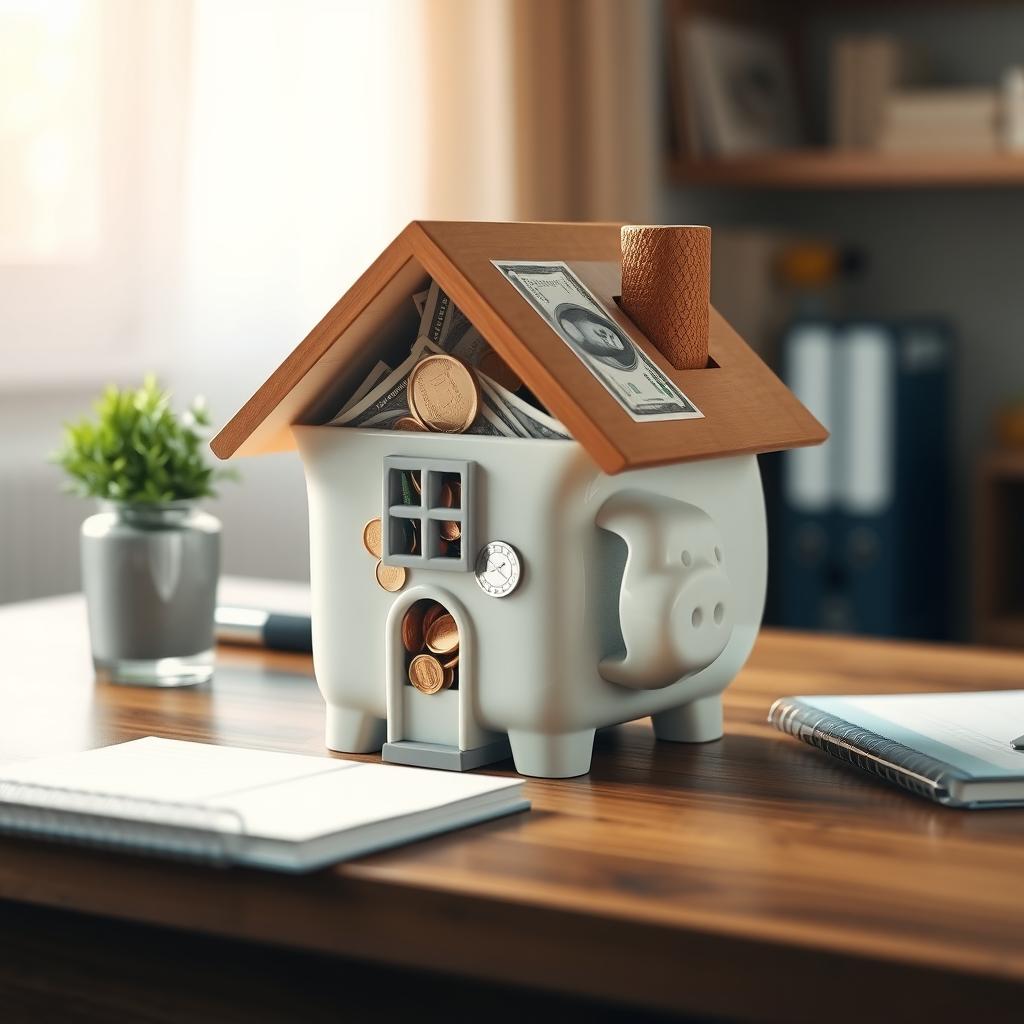
Step 5: Exploring Home Loan Options for First-Time Buyers
Saving is only part of the equation. Understanding your mortgage options can help you plan better. First-time buyers often qualify for programs that reduce down payment requirements, like FHA loans (as low as 3.5%) or VA loans (0% for eligible veterans). Check with local housing authorities for state-specific grants or assistance programs.
When exploring home loan options for first-time buyers, compare lenders to find the best rates and terms. Websites like LendingTree can help you shop around. Pay attention to mortgage term length options—a 15-year mortgage has higher monthly payments but lower interest over time, while a 30-year mortgage offers lower payments but costs more in interest.
| Mortgage Term | Monthly Payment (est.) | Total Interest Paid (est.) |
|---|---|---|
| 15-Year | $1,800 | $74,000 |
| 30-Year | $1,200 | $150,000 |
| Based on a $200,000 loan at 5% interest. |
I spoke with a mortgage broker early on, which helped me understand how my down payment would affect my mortgage term. It gave me clarity and motivated me to save more to reduce my loan amount.
Step 6: Avoid Lifestyle Inflation
As your income grows, it’s tempting to upgrade your car or take fancy vacations. Resist the urge. Keep your expenses steady and funnel raises or bonuses into your down payment fund. This discipline can shave months or years off your savings timeline.
Step 7: Leverage Windfalls Wisely
Tax refunds, birthday cash, or work bonuses are golden opportunities. Instead of splurging, deposit these into your savings account. Last year, I put a $2,000 tax refund straight into my fund, which felt like a huge win.

Step 8: Stay Motivated
Saving for a down payment is a marathon, not a sprint. Celebrate small milestones, like reaching 25% of your goal. Visualize your future home—maybe even drive by neighborhoods you love. These reminders keep you focused when motivation dips.
Common Pitfalls to Avoid
- Dipping into Savings: Keep your fund untouchable except for emergencies.
- Ignoring Credit Scores: A higher credit score can secure better mortgage rates, so pay bills on time and reduce debt.
- Overlooking Costs: Factor in closing costs, inspections, and moving expenses.
- Rushing the Process: Don’t buy before you’re ready just to beat rising prices.
Final Thoughts
Saving for a down payment on your first home is a big challenge, but it’s achievable with a clear plan. Start small, stay consistent, and explore home loan options for first-time buyers to make the process smoother. With patience and discipline, you’ll soon hold the keys to your new home.


