Overview
Improving your credit score can make a big difference when applying for a mortgage, especially for an FHA loan. A higher score means better interest rates and lower down payments, saving you thousands over time. This guide shares practical steps to boost your credit and navigate FHA loan requirements.
Why Your Credit Score Matters for a Mortgage
Your credit score is like a report card for your financial habits. It tells lenders how likely you are to repay a loan. For an FHA mortgage, a higher score can unlock lower interest rates and a smaller down payment, making homeownership more affordable. For example, with a score of 580 or above, you can qualify for an FHA loan with just a 3.5% down payment. Below 580, you’ll need 10%, which can be a stretch for many first-time buyers. I learned this the hard way when I started house hunting with a 560 score, thinking I’d breeze through. Lenders were hesitant, and the rates they offered were steep. It pushed me to take action and improve my score before applying again.
A better credit score doesn’t just help with FHA loan eligibility; it also affects conventional loans and refinancing options. According to the Consumer Financial Protection Bureau, borrowers with scores above 700 often get rates 1-2% lower than those with scores below 600. Over a 30-year mortgage, that could mean savings of $50,000 or more. Knowing this, I realized improving my score wasn’t just about qualifying—it was about making my dream home affordable.

Understanding FHA Loan Requirements
Navigating FHA loan requirements can feel overwhelming, but they’re designed to help people like you and me—first-time buyers or those with less-than-perfect credit. The Federal Housing Administration (FHA) insures these loans, which means lenders take on less risk. That’s why FHA loan eligibility is more flexible than conventional loans. Here’s what you need to know:
- Credit Score: A minimum of 580 for a 3.5% down payment; 500-579 requires 10%. Below 500, approval is tough but possible with strong compensating factors like extra savings.
- Debt-to-Income Ratio (DTI): Lenders prefer a DTI below 43%, but some allow up to 50% if you have a solid financial profile.
- Down Payment: Can come from savings, gifts, or assistance programs, but must be documented as non-repayable.
- Mortgage Insurance: Includes an upfront premium (1.75% of the loan) and an annual premium (0.45%-1.05%), which protects lenders if you default.
- Primary Residence: The home must be your main place to live, not a vacation or investment property.
When I applied for an FHA loan, my DTI was a sticking point. I had student loans and a car payment, pushing my ratio to 45%. I had to pay down some debt to qualify, but the flexibility of FHA loans gave me a fighting chance.
Practical Steps to Improve Your Credit Score
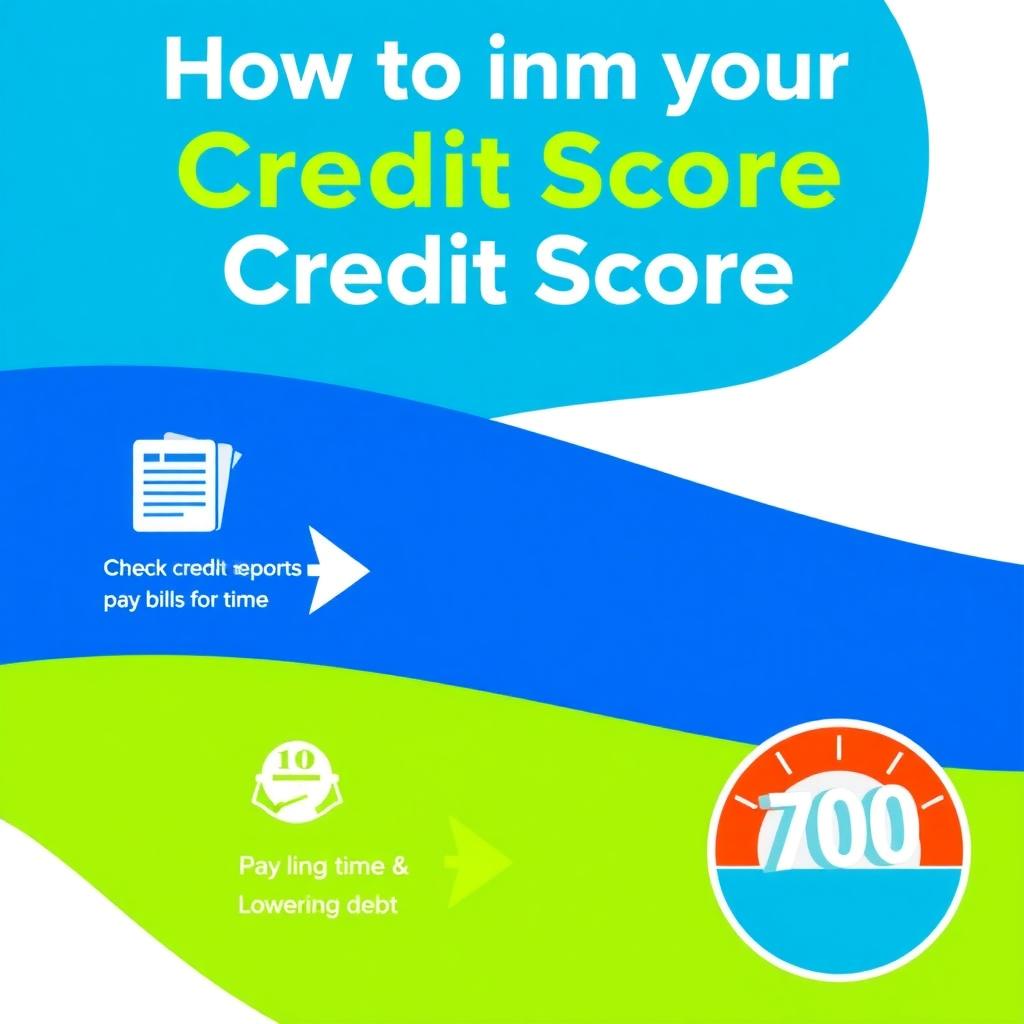
How to improve your credit score for a better mortgage rate isn’t a quick fix, but it’s doable with consistent effort. Here are actionable steps I used to boost my score from 560 to 620 in six months:
-
Check Your Credit Report for Errors
Pull free reports from Experian, Equifax, and TransUnion at AnnualCreditReport.com. Look for mistakes like incorrect balances or accounts that aren’t yours. I found a $200 medical bill I’d already paid listed as unpaid. Disputing it removed it from my report, bumping my score by 15 points. -
Pay Bills on Time
Payment history is 35% of your FICO score. Set up automatic payments for utilities, credit cards, and loans to avoid late payments. I started using calendar reminders to stay on track, and it made a huge difference. -
Lower Your Credit Utilization
Keep your credit card balances below 30% of your available limit. For example, if your limit is $10,000, don’t owe more than $3,000. I paid down $2,000 in credit card debt, which lowered my utilization from 70% to 25% and raised my score by 30 points. -
Avoid New Credit Applications
Hard inquiries can ding your score by 5-10 points each. I made the mistake of applying for a store card while shopping for a mortgage, and it cost me points. Stick to one or two mortgage pre-approvals within a 45-day window to minimize the impact. -
Keep Old Accounts Open
The length of your credit history matters. I almost closed an old credit card with a zero balance, but keeping it open helped my score by showing a longer track record. -
Consider a Rapid Rescore
If you’ve paid off debt or fixed errors, ask your lender about a rapid rescore. It updates your credit score in days, not months. My lender used this to reflect my recent debt payments, which helped me qualify for a 3.5% down payment.
How to Qualify for an FHA Mortgage
To qualify for an FHA mortgage, you’ll need to meet the requirements listed above, but a strong credit score is the foundation. Lenders look at your score to gauge risk, and a higher score often means a lower interest rate. For example, a 2023 study from Freddie Mac showed that borrowers with scores above 760 got rates 0.75% lower than those with scores around 620. For a $300,000 loan, that’s a savings of about $150 a month.
Beyond credit, focus on your DTI and savings. I cut my DTI by paying off a small personal loan and avoided big purchases like a new car. Also, shop around for lenders. Some have stricter rules than the FHA’s minimums. I got quotes from three lenders and found one willing to work with my 620 score and 40% DTI, which made all the difference.
Personal Insights from My Journey
When I started, I felt stuck with my 560 credit score. I was embarrassed to talk to lenders, thinking they’d judge me. But I learned that FHA mortgage programs are built for people like me—real folks with real financial challenges. Talking to a credit counselor through an FHA-approved program was a game-changer. They helped me create a plan to pay down debt and dispute errors. I also used a budgeting app to track my spending, which kept me disciplined. Six months later, my score hit 620, and I qualified for an FHA loan with a 3.5% down payment on a $250,000 home. The process wasn’t easy, but seeing my name on the deed made every step worth it.

Common Mistakes to Avoid
Here are pitfalls I encountered and how to dodge them:
- Ignoring Your Credit Report: Don’t assume it’s accurate. Check it at least three months before applying.
- Taking on New Debt: A new car loan or credit card can raise your DTI and lower your score.
- Closing Old Accounts: This can shorten your credit history and hurt your score.
- Skipping Pre-Approval: Get pre-approved to know your budget and show sellers you’re serious.
By avoiding these, you’ll be in a stronger position to navigate FHA loan requirements and secure a better rate.
Summary
Improving your credit score is a powerful way to get a better mortgage rate and meet FHA loan eligibility standards. By checking your credit report, paying bills on time, lowering debt, and avoiding new credit, you can boost your score and save thousands. My journey from a 560 to a 620 score taught me that small, consistent steps lead to big results. Start today, and you’ll be closer to owning your dream home.


