Overview of the FHA Appraisal Process
Buying a home with an FHA loan is a great option for many, especially first-time buyers. But one key step can feel like a mystery: the FHA appraisal process. Unlike a standard appraisal, an FHA appraisal combines a property valuation with a thorough inspection to ensure the home meets safety and livability standards. This guide breaks down The FHA Appraisal Process Explained to help you navigate it confidently, whether you're buying a home or considering refinancing.
What Is an FHA Appraisal?
An FHA appraisal is a professional evaluation required for homes purchased with an FHA loan, which is insured by the Federal Housing Administration. It serves two purposes: determining the home’s market value and ensuring it meets the FHA’s Minimum Property Standards (MPS). These standards focus on safety, security, and structural integrity, protecting both the buyer and the lender.
Unlike a regular appraisal, which only estimates value, an FHA appraisal is stricter. For example, the appraiser checks for hazards like peeling paint in older homes or faulty electrical systems. If issues are found, they must be fixed before the loan can close.

Why the FHA Appraisal Matters
The appraisal isn’t just a formality—it directly impacts your home purchase. If the appraised value is lower than the purchase price, you might need to renegotiate with the seller, cover the difference, or walk away. Additionally, if the home fails to meet FHA standards, repairs could delay closing or derail the deal entirely.
I remember helping a friend navigate this process. They found a charming fixer-upper, but the FHA appraisal flagged a cracked foundation. The seller agreed to repairs, but it taught me how critical it is to prepare for surprises. Knowing what to expect can save you time and stress.
Step-by-Step Breakdown of the FHA Appraisal Process
Let’s walk through the process so you know exactly what happens:
- Scheduling the Appraisal: Once you’re under contract, your lender orders the appraisal through an approved FHA appraiser. This usually happens within a week.
- Property Inspection: The appraiser visits the home, assessing its condition and value. They check for safety issues, like exposed wiring or missing handrails, and compare the home to similar properties.
- Report Submission: The appraiser submits a detailed report to the lender, including the home’s value and any required repairs.
- Addressing Issues: If repairs are needed, the seller typically handles them, though buyers can sometimes cover minor fixes.
- Final Approval: Once repairs (if any) are completed, the lender reviews the appraisal to finalize the loan.
The entire process usually takes 7-10 days, but delays can occur if repairs are extensive. According to HUD’s official guidelines, appraisers must follow strict protocols to ensure consistency.
Preparing for the FHA Appraisal
Preparation can make or break the process. Here are actionable tips for buyers and sellers:
- For Buyers:
- Research the home’s condition beforehand. Ask about recent repairs or upgrades.
- Be ready to negotiate if the appraisal comes in low.
- Consider getting a home inspection alongside the appraisal for extra peace of mind.
- For Sellers:
- Fix obvious issues like broken windows or leaky faucets before the appraisal.
- Ensure the home is clean and accessible.
- Provide documentation of recent improvements, like a new roof or HVAC system.
I once advised a seller to repaint a room with peeling paint before the appraisal. It cost them $200 but saved the deal, as the appraiser would’ve flagged it otherwise.
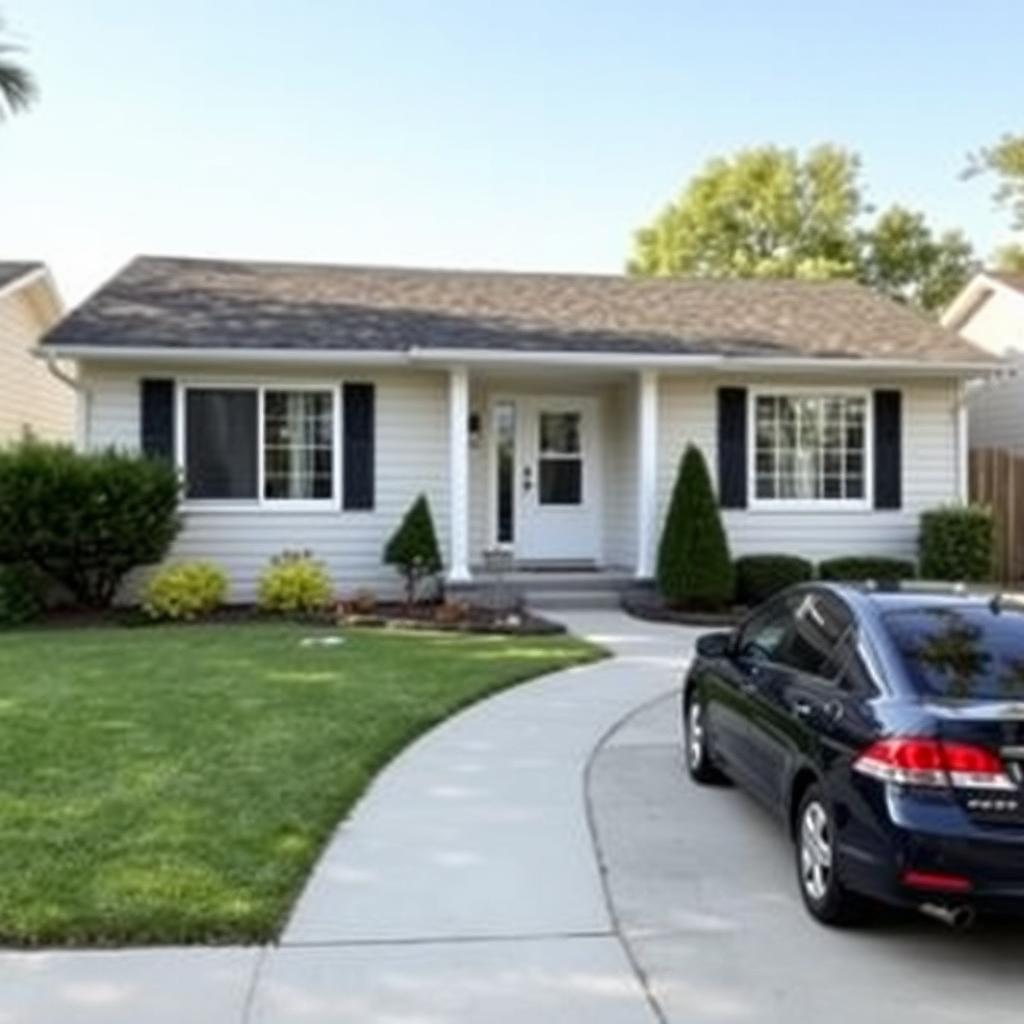
Common FHA Appraisal Issues and How to Handle Them
FHA appraisals are strict, and certain issues pop up frequently. Here’s a table of common problems and solutions:
| Issue | Solution |
|---|---|
| Peeling paint (pre-1978 homes) | Repaint or remove lead-based paint per EPA guidelines. |
| Missing handrails | Install handrails on stairs and decks. |
| Roof leaks | Repair or replace the roof before appraisal. |
| Electrical hazards | Hire a licensed electrician to fix exposed wiring or outdated systems. |
If the appraisal uncovers major issues, don’t panic. Work with your lender and real estate agent to negotiate repairs or adjust the sale price. The Consumer Financial Protection Bureau offers resources on handling appraisal disputes.
How the Appraisal Affects Your Mortgage
The appraisal directly influences your loan terms. If the home’s value is lower than expected, your lender may reduce the loan amount, requiring you to bring more cash to closing. This is where understanding How to Pick the Best Mortgage for Your Needs comes in. An FHA loan might be ideal for its low down payment (as little as 3.5%), but if the appraisal reveals issues, you may need to explore other loan types, like conventional or VA loans, depending on your eligibility.
When calculating FHA mortgage payments, factor in the upfront mortgage insurance premium (1.75% of the loan) and annual premiums (0.15%-0.75% of the loan balance). Use an online calculator or consult your lender to estimate payments accurately.
Refinancing and the FHA Appraisal
If you’re considering Refinancing Your FHA Loan: What to Know, the appraisal process is similar but has unique quirks. For an FHA streamline refinance, an appraisal may not always be required, especially if you’re lowering your monthly payment. However, for cash-out refinances, a full appraisal is mandatory to reassess the home’s value and condition.
I worked with a couple who refinanced their FHA loan to lower their interest rate. The appraisal went smoothly because they’d maintained their home well, but they were surprised by the upfront costs. Always budget for appraisal fees (around $300-$500) and potential repairs.

Tips for a Smooth FHA Appraisal
To avoid headaches, keep these tips in mind:
- Communicate with Your Lender: Stay in touch to track the appraisal’s progress.
- Hire a Knowledgeable Agent: An experienced real estate agent can guide you through potential pitfalls.
- Be Proactive About Repairs: Address minor issues before the appraiser arrives.
- Understand the Timeline: Build extra time into your closing schedule for unexpected delays.
The National Association of Realtors emphasizes the importance of working with professionals familiar with FHA requirements to streamline the process.
Summary
The FHA appraisal process is a critical step in securing an FHA loan, blending property valuation with safety checks. By preparing thoroughly, addressing issues early, and understanding how the appraisal affects your mortgage or refinancing, you can navigate it with confidence. Whether you’re a buyer or refinancing, knowing the ins and outs of The FHA Appraisal Process Explained empowers you to make informed decisions.


