Overview
Buying your first home is a thrilling milestone, but saving for the down payment can feel overwhelming. With the right plan, you can make it happen. This guide on How to Save for a Down Payment on Your First Home offers practical steps, personal insights, and tips to help you reach your goal.
Why a Down Payment Matters
A down payment is the upfront cash you pay when buying a home, typically 3-20% of the purchase price. It reduces the amount you borrow, lowers your monthly mortgage payments, and shows lenders you’re serious. For a $300,000 home, a 10% down payment is $30,000—a big number, but achievable with discipline.
When I started saving for my first home, I was daunted by the numbers. But breaking it down into manageable steps made it less scary. Let’s dive into how you can do this.
Step 1: Set a Clear Savings Goal
Start by figuring out how much you need. Research home prices in your area to estimate your target. For example, if homes cost $250,000 and you aim for a 5% down payment, that’s $12,500. Don’t forget closing costs (2-5% of the home price) and an emergency fund.
Use online calculators from sites like Bankrate to estimate costs. Write down your goal and timeline—say, $15,000 in two years. This gives you a monthly savings target ($625 in this case).

Step 2: Create a Budget That Works
A budget is your roadmap. Track your income and expenses for a month to see where your money goes. Apps like Mint or YNAB can help. Categorize expenses into needs (rent, groceries) and wants (dining out, subscriptions). Then, cut back on wants.
For me, skipping takeout coffee saved $100 a month. Small changes add up. Aim to save 20% of your income for your down payment. If that’s tough, start with 10% and adjust as you go.
Step 3: Boost Your Income
Saving faster often means earning more. Consider a side hustle—freelancing, tutoring, or driving for a rideshare service. I took on weekend pet-sitting, which added $200 a month to my savings. Other ideas include selling unused items online or asking for a raise at work.
Here’s a quick table of side hustle ideas:
| Side Hustle | Potential Monthly Earnings |
|---|---|
| Freelance Writing | $200-$500 |
| Rideshare Driving | $300-$700 |
| Online Tutoring | $150-$400 |
| Selling Crafts | $100-$300 |
Step 4: Cut Major Expenses
Big expenses like rent or car payments eat into savings. Consider moving to a cheaper apartment or getting a roommate. I shared an apartment with a friend and saved $400 a month. If you own a car, could you switch to public transit or carpool? Even refinancing student loans can free up cash.
Step 5: Open a Dedicated Savings Account
Keep your down payment separate from other funds. A high-yield savings account, like those offered by Ally or Marcus, earns more interest than a regular account. Automate monthly transfers to stay consistent. I set up a $500 auto-transfer right after payday—it felt like a bill I couldn’t skip.
Step 6: Exploring Home Loan Options for First-Time Buyers
Not all mortgages require a 20% down payment. Exploring Home Loan Options for First-Time Buyers can save you thousands. FHA loans, for example, need only 3.5% down, and VA loans (for veterans) may require no down payment. Check with local credit unions or government programs for grants or assistance.
Visit HUD’s website for first-time buyer programs. These options can reduce your savings goal, making homeownership more reachable.
Step 7: Understand Mortgage Term Length Options
Your mortgage term—the length of time you repay the loan—affects your savings strategy. Common mortgage term length options are 15, 20, or 30 years. A 30-year mortgage has lower monthly payments but higher total interest. A 15-year mortgage saves on interest but requires higher payments, so you may need a bigger down payment to keep them affordable.
Here’s a comparison for a $200,000 loan at 5% interest:
| Term | Monthly Payment | Total Interest Paid |
|---|---|---|
| 15 Years | $1,582 | $84,760 |
| 30 Years | $1,074 | $186,512 |
Talk to a lender to find the best mortgage term for you.

Step 8: Avoid Lifestyle Inflation
As your income grows, it’s tempting to spend more. Avoid this trap. When I got a raise, I put the extra $200 a month straight into savings instead of upgrading my car. Keep your goal in sight—every dollar saved gets you closer to your home.
Step 9: Leverage Windfalls
Tax refunds, bonuses, or gifts can boost your savings. Last year, I used a $1,500 tax refund to jumpstart my fund. If you get unexpected cash, put at least 50% toward your down payment. It’s a quick win.
Step 10: Stay Motivated
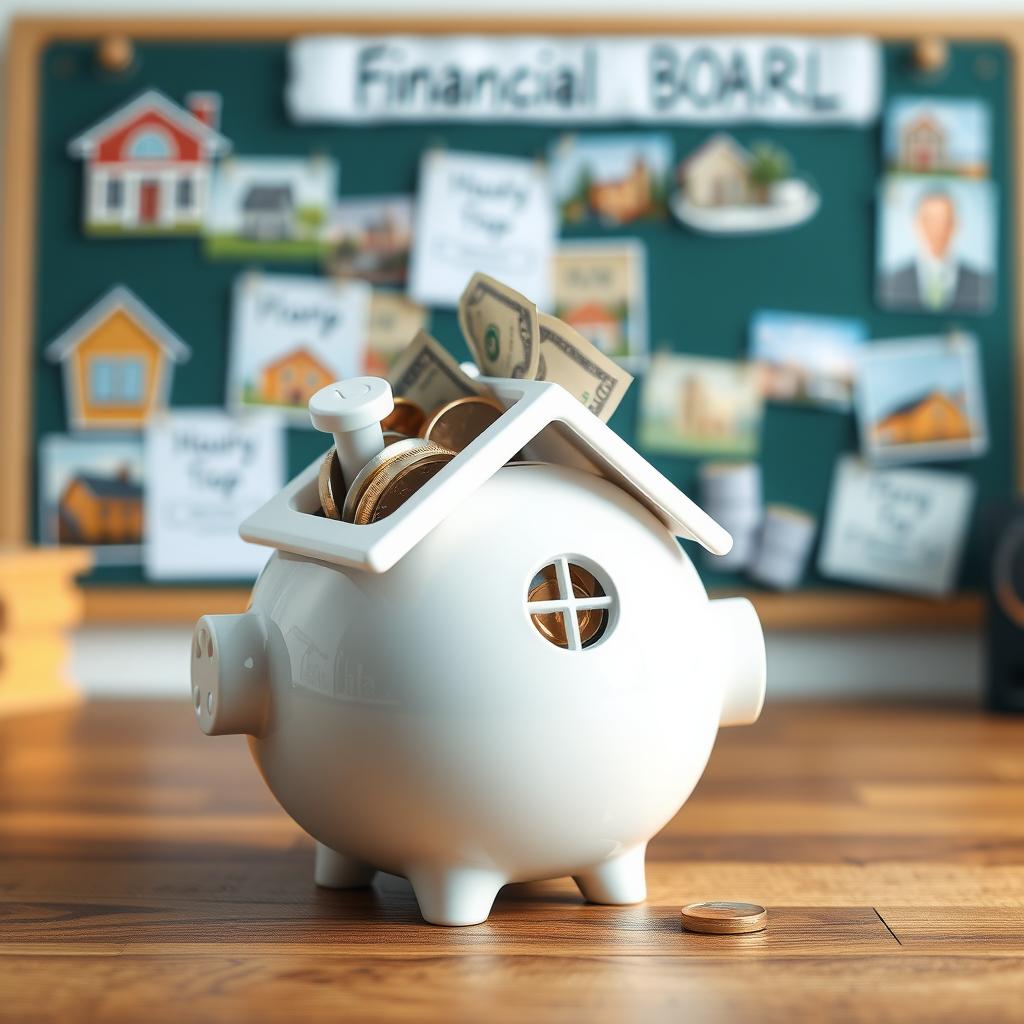
Saving takes time, so keep your eyes on the prize. Create a vision board with pictures of your dream home. Celebrate milestones—like hitting $5,000 saved—with a small treat, like a movie night. I found talking to friends who’d bought homes inspiring; their stories kept me going.
Summary
Saving for a down payment on your first home is a journey, but it’s within reach. Set a clear goal, budget smartly, boost income, and explore home loan options for first-time buyers. Choose a mortgage term that fits your finances, and stay disciplined. With these steps, you’ll be unlocking your new home’s door sooner than you think.


