Overview: Understanding FHA Mortgage Eligibility
FHA loans, backed by the Federal Housing Administration, make homeownership accessible for many Americans. These loans have flexible requirements, helping first-time buyers and those with lower credit scores. To qualify, you need to meet specific FHA mortgage eligibility criteria, including credit, income, and property standards. This guide breaks it all down.
What Is an FHA Loan?
An FHA loan is a mortgage insured by the Federal Housing Administration, designed to help people who might not qualify for conventional loans. It offers lower down payments, flexible credit requirements, and competitive interest rates. But to get one, you must meet the FHA loan requirements, which balance accessibility with responsible lending.
I remember talking to a friend who dreamed of owning a home but thought her credit score was too low. She was thrilled to learn about FHA loans, which gave her a realistic shot at homeownership. That’s the beauty of these loans—they open doors for everyday people.
Core FHA Mortgage Eligibility Criteria
Let’s dive into the main requirements for an FHA loan. These criteria cover your financial profile, the property you want to buy, and how you plan to use the home.
1. Credit Score Requirements
You don’t need perfect credit for an FHA loan, but you do need a minimum score. Most lenders require at least a 580 credit score for a 3.5% down payment. If your score is between 500 and 579, you may still qualify, but you’ll need a 10% down payment.
According to the U.S. Department of Housing and Urban Development (HUD), which oversees FHA loans, these flexible credit rules help more people become homeowners. However, lenders may add their own overlays, like requiring a higher score, so shop around.
From my experience, checking your credit report early is key. I once helped a family member spot errors on their report, which boosted their score just enough to qualify for the lower down payment. Always review your credit before applying.

2. Income and Employment
FHA loans require steady income and employment history. Lenders typically want two years of consistent employment, preferably with the same employer or in the same field. Self-employed borrowers can qualify but may need to provide extra documentation, like tax returns.
Your income must be verifiable through pay stubs, W-2s, or bank statements. The goal is to ensure you can afford the monthly payments.
I’ve seen people worry about gaps in employment, but FHA lenders can be flexible. For example, if you took a year off for school or family reasons, you can often explain the gap and still qualify, as long as your current income is stable.
3. Debt-to-Income Ratio (DTI)
Your debt-to-income ratio compares your monthly debt payments to your gross income. For FHA loans, your DTI should generally be below 43%, though some lenders allow up to 50% with strong financials. This includes your mortgage payment, credit cards, student loans, and other debts.
The Consumer Financial Protection Bureau explains that a lower DTI shows lenders you can manage your debts responsibly.
A neighbor once shared how she paid off a small credit card to lower her DTI. That small move made a big difference in her FHA loan approval. If your DTI is high, consider paying down debt before applying.

4. Down Payment
One of the biggest perks of an FHA loan is the low down payment. With a credit score of 580 or higher, you only need 3.5% of the home’s purchase price. For a $200,000 home, that’s $7,000—a fraction of what conventional loans often require.
I recall a young couple who saved for years but still couldn’t afford a 20% down payment. The FHA’s 3.5% option was a game-changer, letting them buy their first home sooner than they thought possible.
5. Property Requirements
The home you buy with an FHA loan must meet safety and habitability standards. An FHA-approved appraiser will inspect the property to ensure it’s safe, secure, and structurally sound. This includes checking for issues like faulty wiring, leaky roofs, or missing handrails.
The FHA’s Minimum Property Standards outline these requirements in detail. The home must also be your primary residence, not a vacation home or investment property.
A colleague once had to walk away from a fixer-upper because it didn’t meet FHA standards. If you’re eyeing an older home, budget for potential repairs to pass the appraisal.
6. Mortgage Insurance
FHA loans require two types of mortgage insurance: an upfront premium (1.75% of the loan amount) and an annual premium (paid monthly). This protects the lender if you default. While this adds to your costs, it’s what allows the FHA to offer lenient terms.
When I was researching loans, the mortgage insurance seemed like a downside. But for many, it’s a small price to pay for a lower down payment and easier approval.
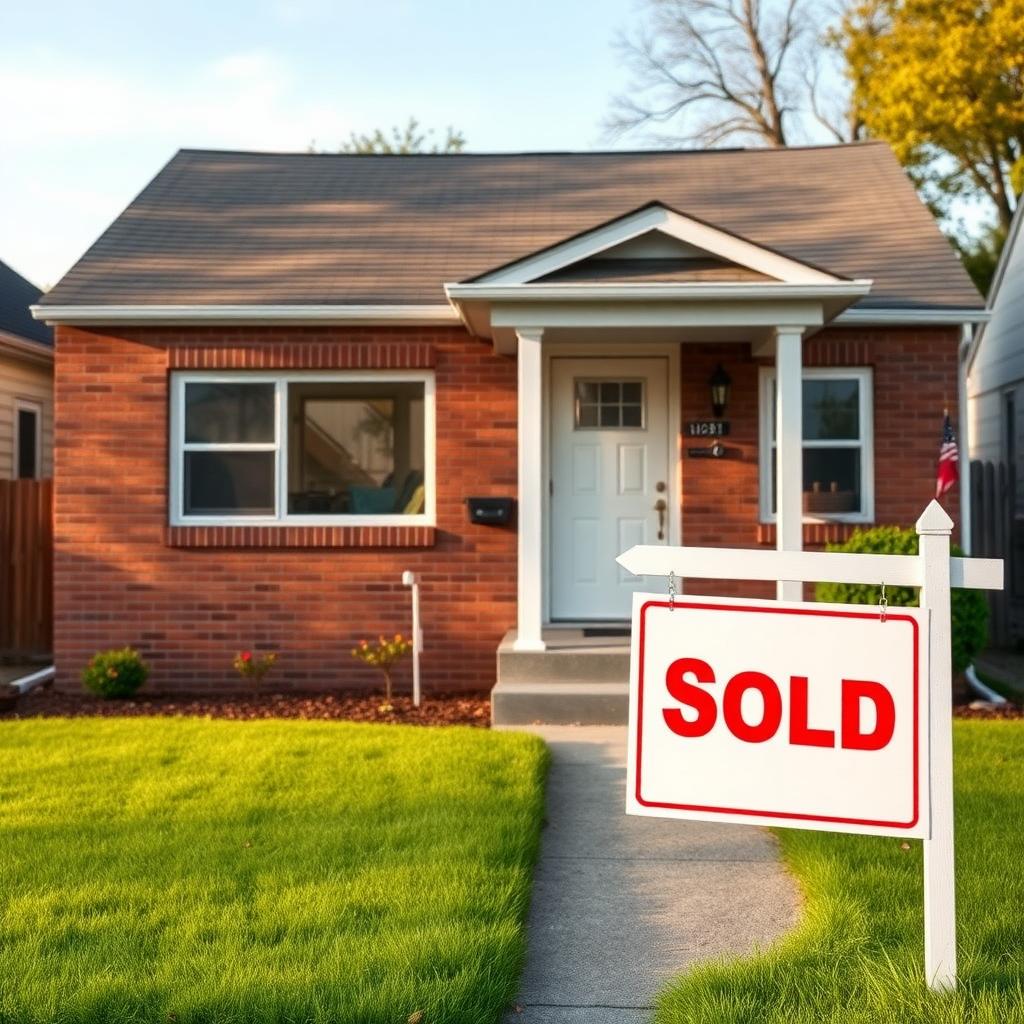
Tips for Meeting FHA Loan Requirements
Here’s a quick checklist to boost your chances of qualifying:
- Check your credit score early: Use free tools like AnnualCreditReport.com to review your report.
- Pay down debt: Lower your DTI by tackling high-interest debts first.
- Save for the down payment: Aim for at least 3.5% of the home’s price.
- Get pre-approved: This shows sellers you’re serious and helps you know your budget.
- Choose an FHA-approved lender: Not all lenders offer FHA loans, so confirm before applying.
I always tell people to talk to multiple lenders. A friend found a lender who accepted her 590 credit score when others wouldn’t, saving her thousands on the down payment.
Common Pitfalls to Avoid
- Ignoring credit issues: Late payments or collections can hurt your chances. Address them early.
- Buying a fixer-upper: If the home needs major repairs, it might not pass the FHA appraisal.
- Overlooking closing costs: Budget for 2-5% of the loan amount for closing costs.
- Not comparing lenders: Rates and fees vary, so shop around for the best deal.
Summary: Your Next Steps
FHA loans are a fantastic option for first-time buyers or those with less-than-perfect credit. By meeting the FHA mortgage eligibility criteria—credit score, income, DTI, down payment, and property standards—you can move closer to owning a home. Start by checking your credit, saving for a down payment, and finding an FHA-approved lender. With the right preparation, homeownership is within reach.


