Overview
Buying a home is a dream for many, but the financial hurdles can feel overwhelming. An FHA mortgage, backed by the Federal Housing Administration, makes homeownership more accessible, especially for first-time buyers. This guide explains how to qualify for an FHA mortgage, covering eligibility, requirements, and practical tips to boost your chances.
What Is an FHA Mortgage?
An FHA mortgage is a government-backed loan designed to help people with lower credit scores or limited savings buy a home. Unlike conventional loans, FHA mortgages have more flexible requirements, making them ideal for first-time buyers or those with modest incomes. The catch? You’ll need to meet specific FHA mortgage guidelines to qualify.
I remember helping a young couple navigate this process. They were nervous about their credit history but thrilled to learn FHA loans were within reach. Their story inspired me to break down the qualification process clearly, so let’s dive into the details.
Key FHA Mortgage Guidelines
To qualify for an FHA mortgage, you need to meet several criteria. These rules ensure you can manage the loan responsibly while protecting lenders. Here’s what you need to know:
1. Credit Score Requirements
FHA loans are forgiving when it comes to credit. You can qualify with a credit score as low as 580 with a 3.5% down payment. If your score is between 500 and 579, you’ll need a 10% down payment. Lenders may also consider your paymentSold history, so timely rent or utility payments can help if your credit isn’t perfect.
Tip: Check your credit report for errors before applying. A small boost in your score could save you thousands.
2. Down Payment
One of the biggest perks of an FHA mortgage is the low down payment. With a 580 credit score, you only need 3.5% of the home’s purchase price. For a $200,000 home, that’s just $7,000—a fraction of what conventional loans often require.
Pro Insight: Gifts from family or down payment assistance programs can cover this cost if savings are tight.

3. Debt-to-Income Ratio (DTI)
Your DTI measures how much of your income goes toward debt payments. FHA guidelines typically allow a DTI up to 43%, though some lenders may stretch this to 50% with strong compensating factors, like a higher credit score or extra savings.
For example, if you earn $5,000 a month, your total debt payments (including the mortgage) shouldn’t exceed $2,150. Paying off small debts before applying can improve your DTI.
4. Employment and Income
Lenders want proof of steady income. You’ll need to show two years of consistent employment, though gaps are okay if explained (e.g., going back to school). Self-employed borrowers must provide tax returns and profit/loss statements.
When I worked with a freelancer, she worried her income was too irregular. By organizing her tax documents and showing consistent earnings, she qualified easily.
5. Property Requirements
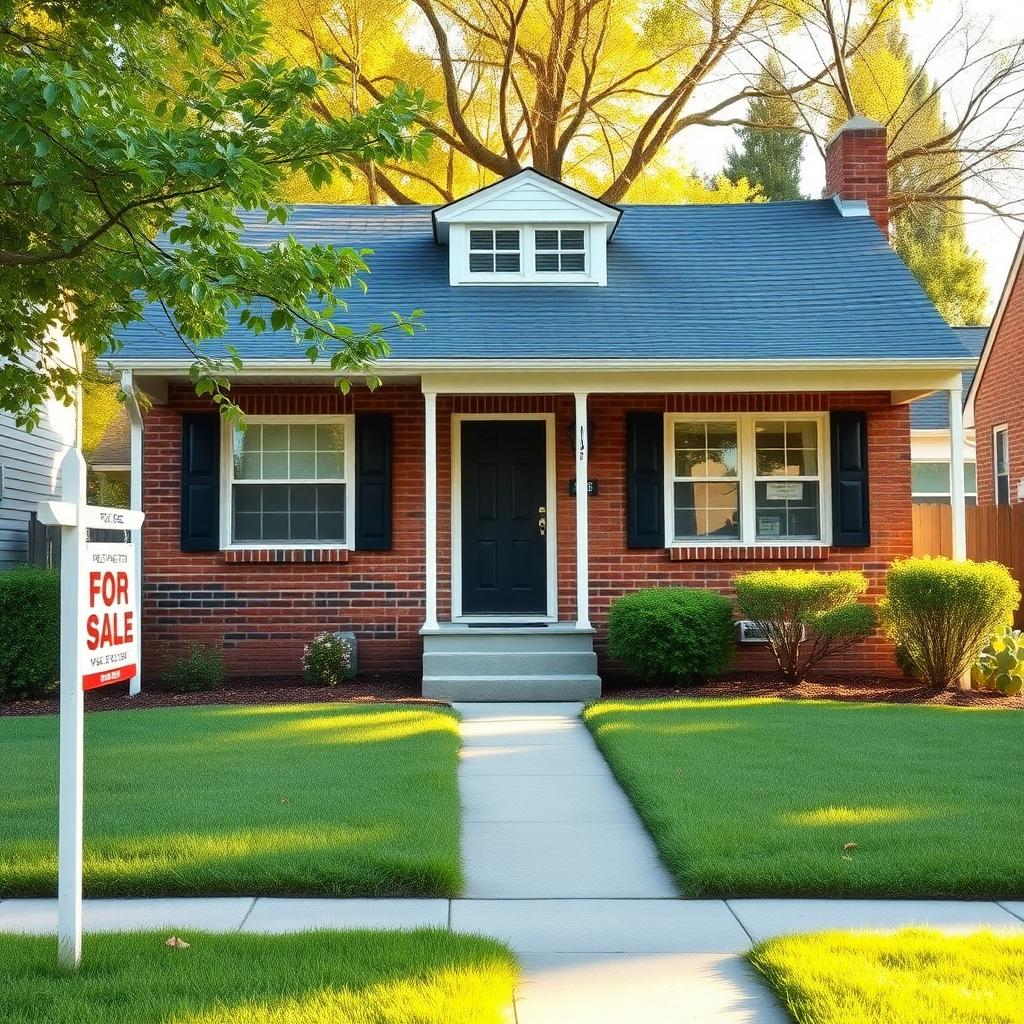
FHA loans are for primary residences only—no vacation homes or investment properties. The home must meet safety and livability standards, which means an FHA appraisal is required. This step ensures the property is worth the loan amount and safe to live in.
Heads-Up: Fixer-uppers may qualify with an FHA 203(k) loan, which includes funds for repairs.
Additional Requirements to Qualify
Beyond the basics, here are other factors to consider when learning how to qualify for an FHA mortgage:
| Requirement | Details |
|---|---|
| Mortgage Insurance | FHA loans require two types of mortgage insurance: an upfront premium (1.75% of the loan) and an annual premium (0.15%–0.75%). These protect the lender if you default. |
| Loan Limits | FHA loans have caps based on your area’s median home prices. In 2025, limits range from $498,257 in low-cost areas to $1,149,825 in high-cost regions. Check HUD’s website for local limits. |
| Citizenship | You don’t need to be a U.S. citizen, but you must have a valid Social Security number and legal residency. |
| Bankruptcy | You can qualify two years after a Chapter 7 bankruptcy or one year into a Chapter 13 repayment plan with court approval. |
Steps to Boost Your Chances
Qualifying for an FHA mortgage is easier with preparation. Here’s a step-by-step plan based on what’s worked for others:
- Check Your Credit: Pull your credit report from all three bureaus (Equifax, Experian, TransUnion) via AnnualCreditReport.com. Dispute any errors and pay down high-interest debts.
- Save for the Down Payment: Set up a dedicated savings account. Even $50 a month adds up over time.
- Get Pre-Approved: Meet with an FHA-approved lender to understand your budget. Pre-approval shows sellers you’re serious.
- Gather Documents: Prepare pay stubs, tax returns, bank statements, and ID. Having these ready speeds up the process.
- Choose the Right Home: Work with a real estate agent familiar with FHA requirements to find eligible properties.
A friend of mine followed these steps and went from renter to homeowner in six months. She said pre-approval gave her confidence to shop for homes without second-guessing her budget.

Common Pitfalls to Avoid
While FHA mortgages are flexible, mistakes can derail your application: - Skipping the Appraisal: Don’t assume every home qualifies. Budget for potential repairs if issues are flagged. - Ignoring DTI: High credit card balances can push your DTI over the limit. Pay down debts early. - Overlooking Fees: Factor in closing costs (2%–5% of the loan) and mortgage insurance premiums. - Rushing the Process: Take time to compare lenders. Rates and terms vary, so shop around.
Why Choose an FHA Mortgage?
FHA mortgages open doors for people who might not qualify for conventional loans. The low down payment, flexible credit requirements, and competitive interest rates make them a lifeline for first-time buyers. Plus, the government backing gives lenders confidence to approve riskier borrowers.
That said, the mortgage insurance premiums are a trade-off. If your credit improves, refinancing into a conventional loan later can eliminate those costs.
Summary
Learning how to qualify for an FHA mortgage is about understanding the guidelines and preparing thoroughly. With a credit score of 580 or higher, a 3.5% down payment, and a DTI below 43%, you’re on the right track. Check your credit, save diligently, and choose an FHA-approved lender to guide you. Homeownership is closer than you think.


