Overview
FHA loans are a popular choice for first-time homebuyers due to their low down payment and flexible credit requirements. Backed by the Federal Housing Administration, these loans help make homeownership accessible. However, they come with unique benefits and drawbacks. This guide explores what you need to know before applying.
What Are FHA Loans?
FHA loans are mortgages insured by the Federal Housing Administration, designed to help people with lower credit scores or limited savings buy a home. They’re especially appealing to first-time buyers because they require as little as 3.5% down and allow credit scores as low as 580. Lenders feel more secure offering these loans since the FHA backs them, reducing their risk.
I remember talking to a friend who was nervous about buying her first home. She didn’t have a big savings account or perfect credit. An FHA loan was a game-changer for her, letting her move into a cozy starter home without waiting years to save up. But, like any loan, it’s not perfect for everyone.
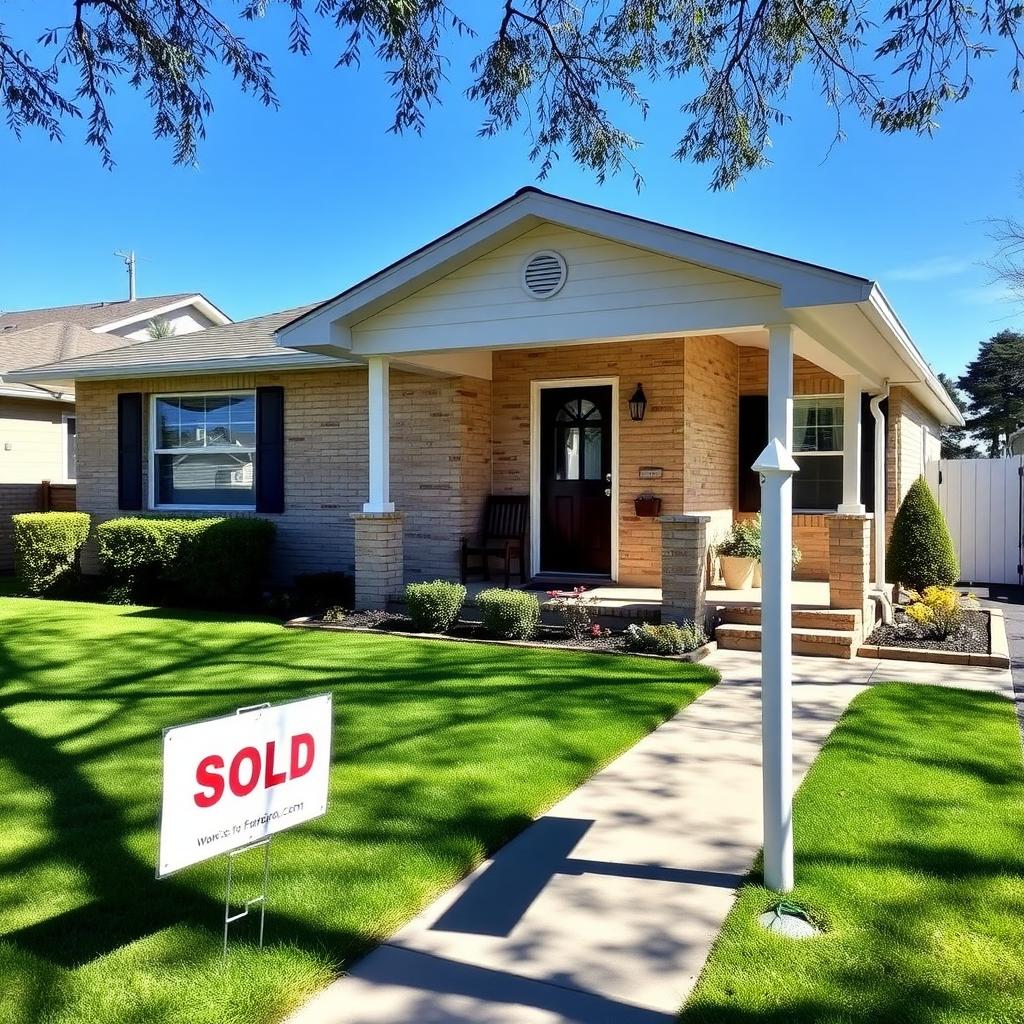
Benefits of FHA Loans
FHA loans have several advantages that make them attractive, especially for those new to homeownership. Here’s a breakdown:
- Low Down Payment: You can put down as little as 3.5% of the home’s purchase price, compared to 5-20% for conventional loans.
- Flexible Credit Requirements: A credit score of 580 is often enough, and some lenders may work with scores as low as 500 with a 10% down payment.
- Competitive Interest Rates: Because the FHA insures the loan, lenders often offer lower rates than for other high-risk loans.
- Assumable Loans: If you sell your home, the buyer can take over your FHA loan, which can be a selling point.
- Support for Renovations: FHA 203(k) loans let you finance both the purchase and home improvements in one loan.
For many, the low down payment is the biggest draw. My cousin used an FHA loan to buy a fixer-upper and rolled renovation costs into the mortgage. It wasn’t glamorous at first, but she turned that house into her dream home over time.
Drawbacks of FHA Loans
While FHA loans open doors, they’re not without flaws. Here are some key drawbacks to consider:
- Mortgage Insurance Premiums (MIP): You’ll pay an upfront MIP (1.75% of the loan) and annual premiums, which can add hundreds to your monthly payment.
- Loan Limits: FHA loans have caps based on your area’s housing market, which may limit your options in high-cost regions.
- Stricter Property Standards: Homes must meet FHA safety and quality guidelines, which can exclude some older or fixer-upper properties.
- Longer Approval Process: The appraisal and underwriting can take longer than conventional loans.
- Potential for Higher Costs: Over time, MIP can make FHA loans more expensive than conventional options if your credit improves.
I’ve seen people get frustrated with the MIP. One colleague refinanced out of an FHA loan after a few years because the ongoing insurance costs felt like a burden. It’s something to weigh if you plan to stay in the home long-term.
How to Get Pre-Approved for a Mortgage
Getting pre-approved for an FHA loan is a smart first step. It shows sellers you’re serious and helps you understand your budget. Here’s how to do it:
- Check Your Credit: Review your credit report for errors and aim for a score of at least 580 to qualify for the 3.5% down payment.
- Gather Documents: You’ll need proof of income (pay stubs, W-2s), tax returns, bank statements, and ID.
- Find an FHA-Approved Lender: Not all lenders offer FHA loans, so check with banks, credit unions, or online lenders.
- Submit Your Application: The lender will assess your finances and issue a pre-approval letter if you qualify.
- Understand Your Limits: Pre-approval sets your price range, so stick to homes within it to avoid disappointment.
When I helped a friend through this process, she was surprised how much paperwork was involved. But having that pre-approval letter in hand gave her confidence when bidding on her first home. It’s worth the effort.
Top Tips for First-Time Homebuyers
Buying your first home with an FHA loan can feel overwhelming, but these tips can help:
- Set a Realistic Budget: Factor in MIP, property taxes, and maintenance costs, not just the mortgage payment.
- Work with a Knowledgeable Agent: A real estate agent familiar with FHA loans can guide you to homes that meet FHA standards.
- Get a Home Inspection: Even though FHA appraisals check safety, a separate inspection can uncover costly issues.
- Plan for the Long Term: Think about how long you’ll stay in the home, as MIP costs can add up.
- Explore Down Payment Assistance: Some states offer grants or loans to help with your down payment.
My neighbor used a down payment assistance program alongside her FHA loan. It shaved thousands off her upfront costs, which made all the difference for her family.

Choosing the Right Home Within FHA Standards
FHA loans require homes to meet specific safety and quality standards. This ensures the property is a sound investment but can limit your choices. Here’s what to look for:
- Structural Integrity: The home must have a solid foundation, roof, and no major damage.
- Safety Features: Working smoke detectors, secure railings, and no lead-based paint hazards are required.
- Functional Systems: Plumbing, electrical, and heating systems must be in good working order.
- No Major Repairs Needed: Minor fixes are okay, but extensive repairs may disqualify a home unless you use an FHA 203(k) loan.
A coworker once fell in love with an old fixer-upper, only to learn it didn’t meet FHA standards. She ended up using a 203(k) loan to make it work, but it took extra time and planning. Always check the property’s condition early.
Common FHA Mortgage Pitfalls to Avoid
FHA loans can be a great tool, but mistakes can cost you. Watch out for these pitfalls:
| Pitfall | How to Avoid |
|---|---|
| Ignoring MIP Costs | Budget for both upfront and annual MIP to avoid surprises. |
| Overlooking Loan Limits | Check FHA loan limits for your county at HUD.gov. |
| Skipping Inspections | Always get a separate home inspection, even if the FHA appraisal passes. |
| Buying Beyond Your Means | Stick to your pre-approval budget to avoid financial strain. |
| Not Comparing Lenders | Shop around for the best rates and terms from multiple FHA-approved lenders. |
I’ve heard stories of buyers who didn’t research loan limits and wasted time on homes they couldn’t afford with an FHA loan. Doing your homework upfront saves heartache later.
Summary
FHA loans are a fantastic option for first-time homebuyers, offering low down payments and lenient credit requirements. However, the costs of mortgage insurance and property restrictions can be drawbacks. By understanding how to get pre-approved, choosing the right home, and avoiding common pitfalls, you can make the most of an FHA loan. With careful planning, it could be your key to homeownership.


