Buying your first home can feel like stepping into the unknown. There’s a lot to learn, from understanding what to include in a mortgage application to navigating the closing process. But with the right guidance, you can turn this overwhelming experience into a rewarding one. In this article, I’ll share practical tips and personal insights to help you confidently move from application to closing.
Understanding the Mortgage Application Process
The mortgage application is your first major step toward homeownership. It’s where you formally request a loan from a lender, and it sets the tone for the entire process. Knowing what to include in a mortgage application can make a significant difference in how smoothly things go.
What to Include in a Mortgage Application
When filling out your mortgage application, accuracy and completeness are key. Here’s what you’ll typically need:
- Personal Information: Full name, Social Security number, and contact details.
- Employment History: Details of your current and past employers, including income.
- Financial Information: Bank statements, investment accounts, and any debts.
- Property Details: Information about the home you’re buying, including the purchase price.
It’s important to be thorough. Missing or incorrect information can delay your application or even lead to denial. I remember double-checking my application multiple times to ensure everything was correct—it’s a simple step that can save you a lot of hassle.
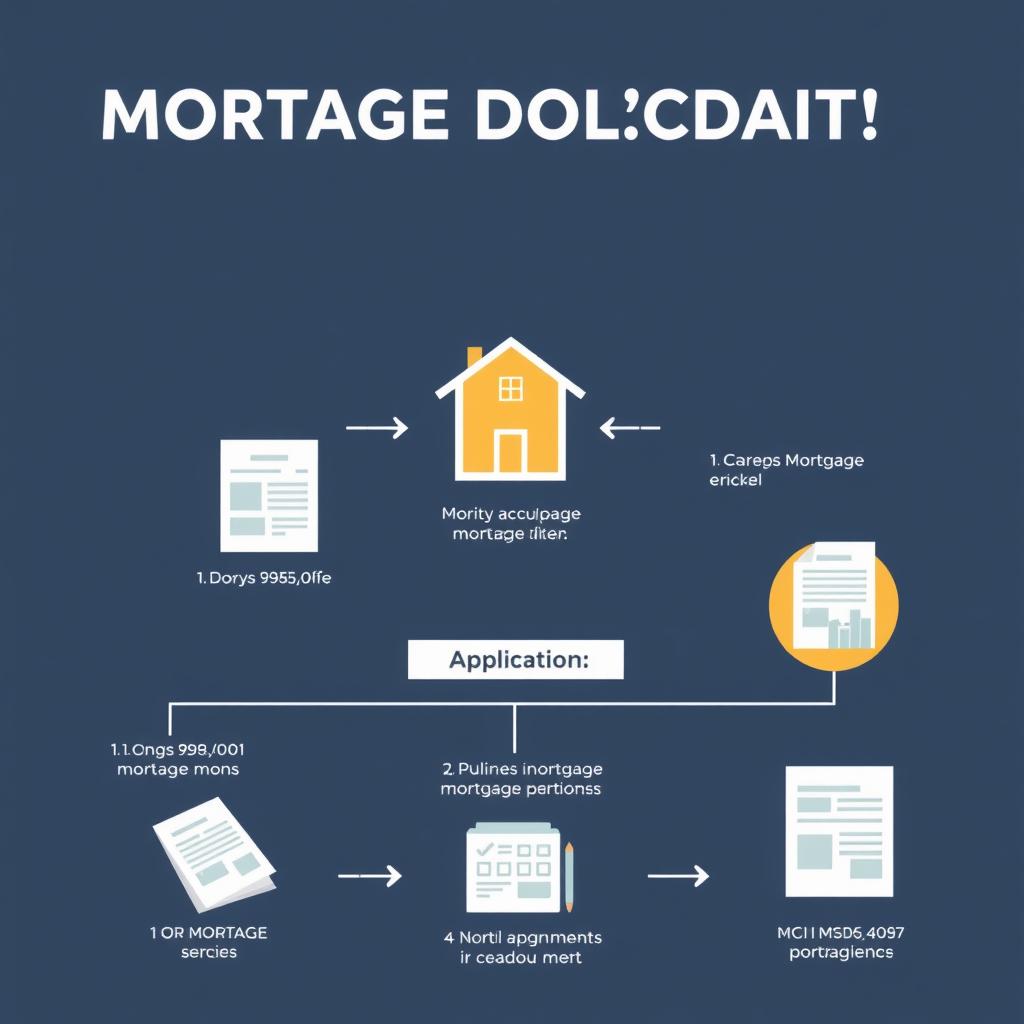
Table: Common Documents Needed for a Mortgage Application
| Document Type | Purpose |
|---|---|
| Pay Stubs | Verify income |
| Tax Returns | Confirm financial history |
| Bank Statements | Show available funds |
| Credit Report | Assess creditworthiness |
| Identification | Confirm identity |
Preparing for the Mortgage Process
Once your application is submitted, the real work begins. The mortgage process involves several stages, including underwriting, where your financial situation is thoroughly reviewed. Here’s how to stay on top of it:
- Respond Promptly: If your lender asks for additional documents, provide them quickly.
- Stay Financially Stable: Avoid making large purchases or changing jobs during this time.
- Ask Questions: If something isn’t clear, don’t hesitate to ask your lender for clarification.
I found that staying organized was crucial. I kept a folder with all my mortgage-related documents and set reminders for important deadlines. This helped me stay calm and focused throughout the process.
Navigating the Closing Process
Closing is the final step in the homebuying journey, where you sign the paperwork and officially become a homeowner. It can be a bit overwhelming, but knowing what to expect can ease your nerves.
Key Steps in Closing
- Review the Closing Disclosure: This document outlines the final terms of your loan. Make sure everything matches what you agreed upon.
- Conduct a Final Walkthrough: Visit the property one last time to ensure it’s in the agreed-upon condition.
- Bring Necessary Documents: You’ll need identification and proof of homeowners insurance.
During my closing, I was surprised by how many documents I had to sign. But having reviewed everything beforehand made the process smoother. It’s also a good idea to bring a list of questions to ask your real estate agent or attorney during the closing meeting.

List: What to Bring to Closing
- Government-issued ID
- Proof of homeowners insurance
- Certified check for closing costs
- Any additional documents requested by your lender
Tips for a Smooth Homebuying Experience
Beyond the technical steps, there are a few personal insights I’d like to share that can make your experience as a first-time homebuyer more enjoyable:
- Set a Realistic Budget: Consider not just the mortgage but also property taxes, insurance, and maintenance costs.
- Work with a Trusted Real Estate Agent: A good agent can guide you through the process and negotiate on your behalf.
- Be Patient: The process can take time, but rushing can lead to mistakes.
I learned the importance of patience the hard way. I almost settled for a home that wasn’t quite right because I was eager to close the deal. Taking the time to find the right property made all the difference.
Common Pitfalls to Avoid
Even with the best preparation, there are common mistakes that first-time homebuyers often make. Here are a few to watch out for:
- Not Getting Pre-Approved: Pre-approval gives you a clear budget and strengthens your offer.
- Overlooking Closing Costs: These can add up to 2-5% of the home’s price, so budget accordingly.
- Ignoring the Inspection: Always get a professional inspection to avoid costly surprises.
I almost skipped the inspection to save money, but thankfully, I didn’t. The inspector found issues that allowed me to negotiate repairs before closing.
Table: Estimated Closing Costs
| Cost Type | Typical Range |
|---|---|
| Appraisal Fee | $300 - $500 |
| Title Insurance | $500 - $1,000 |
| Attorney Fees | $500 - $1,500 |
| Recording Fees | $100 - $200 |
Summary
Buying your first home is a significant milestone, and while the process can be daunting, it’s also incredibly rewarding. By understanding what to include in a mortgage application, preparing thoroughly for the mortgage process, and knowing what to expect during closing, you can navigate this journey with confidence. Remember to stay organized, ask questions, and be patient—your dream home is worth the effort.
This article provides a comprehensive guide for first-time homebuyers, offering practical tips and personal insights to help you succeed from application to closing. By following these steps and avoiding common pitfalls, you’ll be well on your way to owning your first home.


