Overview: A New Era of Sustainable Living
The real estate market is buzzing with change in 2023, and sustainability is at the heart of it. Green buildings are no longer a niche; they’re redefining how we live, work, and interact with our environment. These structures save energy, reduce waste, and create healthier spaces. Let’s explore the Top 10 Green Building Trends for 2023 that are changing the game for sustainable living.
1. Net-Zero Buildings Take Center Stage
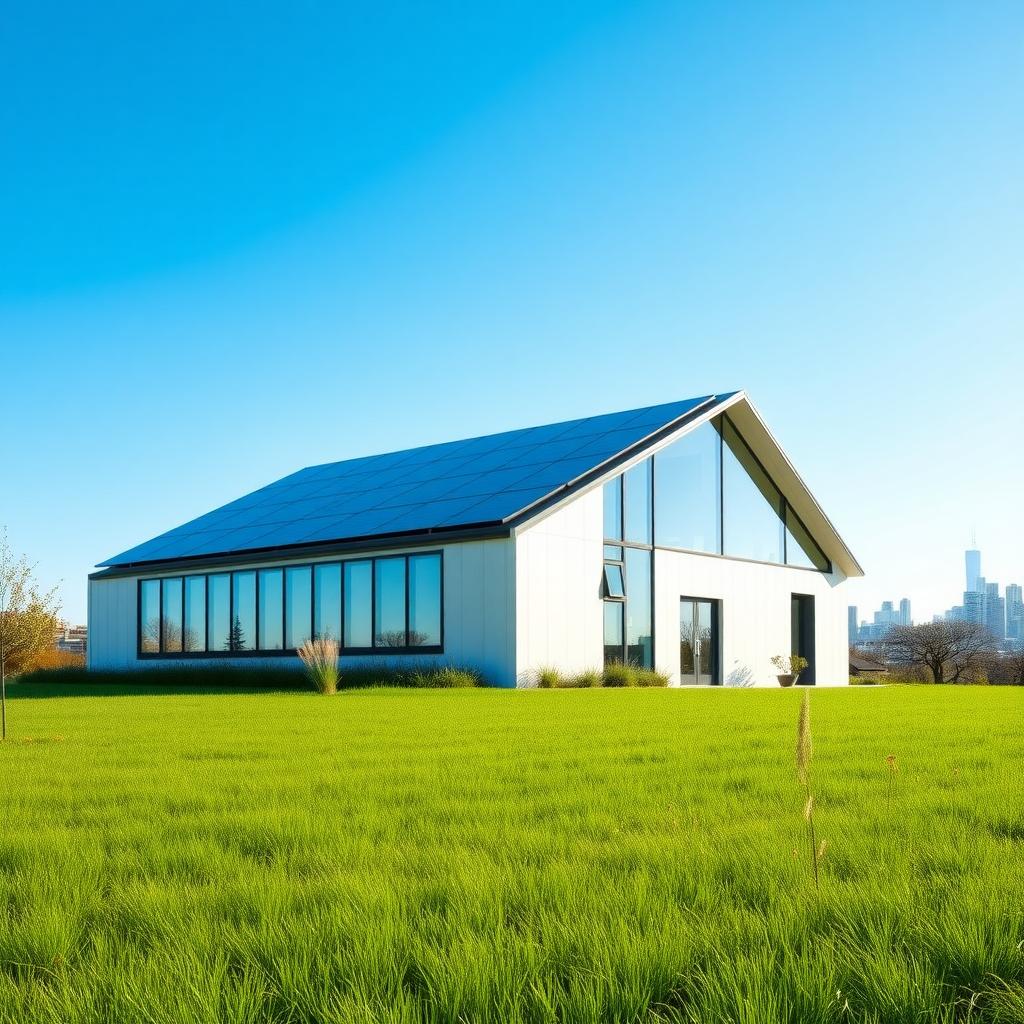
Net-zero buildings, which produce as much energy as they consume, are a cornerstone of 2023’s real estate market trends. By using solar panels, wind turbines, or geothermal systems, these buildings achieve a balance that cuts carbon emissions to zero. I’ve seen developers in urban areas integrate solar rooftops, making homes self-sufficient. According to the U.S. Department of Energy, net-zero designs can reduce energy costs by up to 30%. This trend is a win for both the planet and homeowners’ wallets.
2. Biophilic Design Connects Us to Nature
Biophilic design brings nature indoors with elements like living walls, natural light, and indoor plants. This trend boosts mental health and productivity, which I’ve noticed in offices with green walls that feel calming yet vibrant. Studies from Harvard University show biophilic spaces can reduce stress by 15%. In 2023, homes and workplaces are embracing this to create spaces that feel alive and nurturing.
3. Circular Economy in Construction
The circular economy is reshaping how we build. Instead of discarding materials, builders reuse and recycle them. Think reclaimed wood for floors or recycled steel for beams. I visited a site where old concrete was crushed and reused for a new foundation, cutting waste dramatically. This approach reduces landfill use and lowers the carbon footprint of construction, aligning with 2023’s push for sustainability.
4. Smart Technology for Smarter Buildings
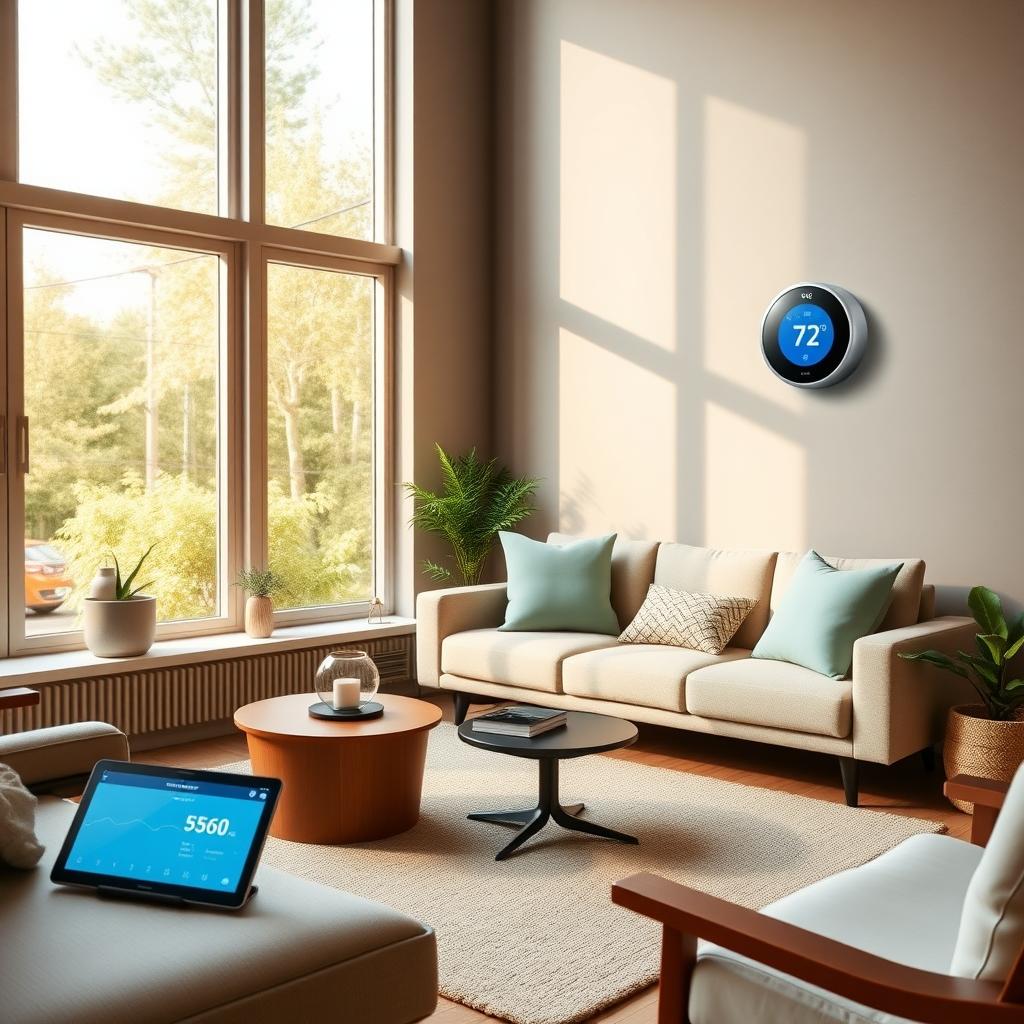
Smart homes are getting smarter with Internet of Things (IoT) devices. Sensors adjust lighting and heating based on occupancy, saving energy without sacrificing comfort. I’ve seen homeowners use apps to monitor energy use in real-time, making small tweaks that add up. The U.S. Green Building Council reports that smart systems can cut energy use by 20%. This trend is making sustainable living effortless in the real estate market.
5. Green Roofs and Walls for Urban Resilience
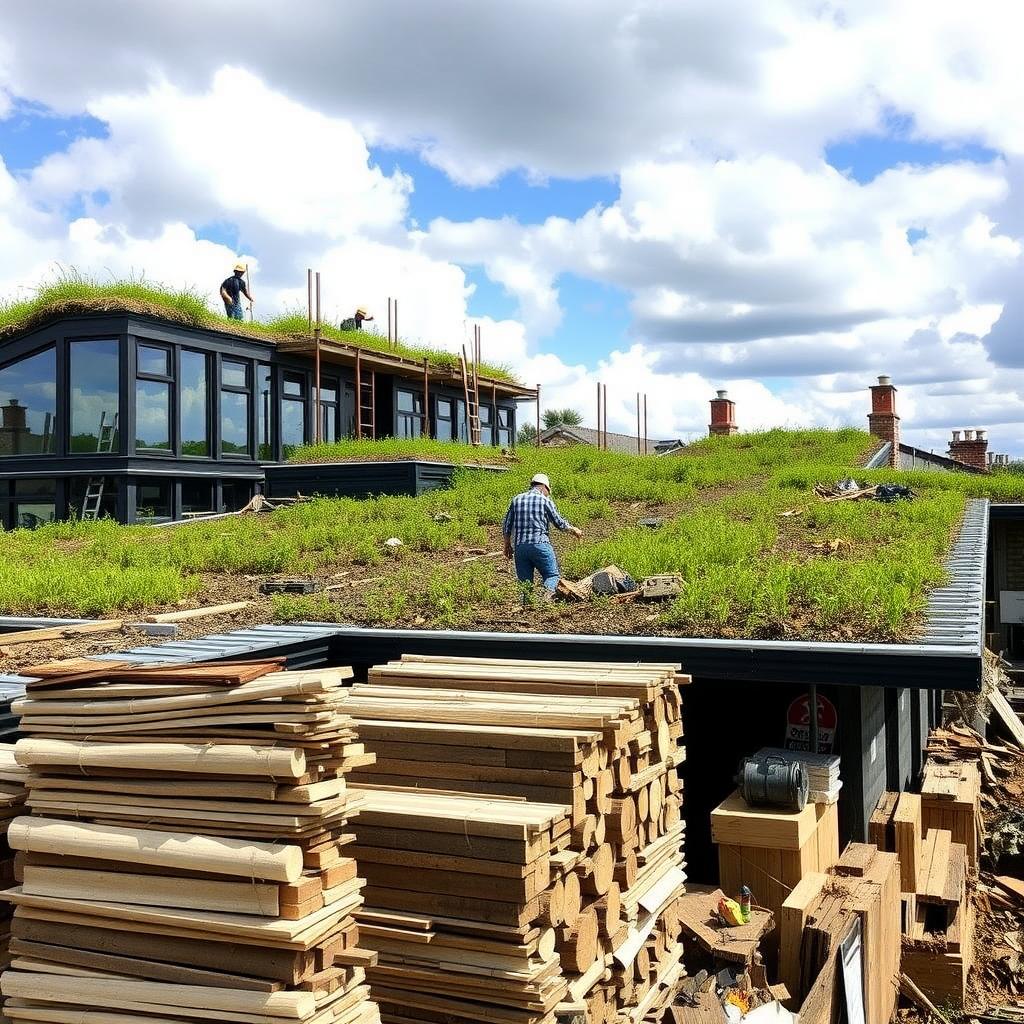
Green roofs and living walls are popping up in cities, turning buildings into mini-ecosystems. They insulate homes, reduce runoff, and clean the air. I walked through a neighborhood with rooftop gardens that cooled the area noticeably. These features also boost biodiversity, attracting birds and pollinators. In 2023, they’re a must-have for eco-conscious developers.
6. Energy-Efficient Passive Design
Passive design uses a building’s orientation, insulation, and windows to cut energy needs. I’ve toured homes where strategic window placement keeps interiors cool in summer and warm in winter. This trend reduces reliance on HVAC systems, saving energy and money. It’s a simple yet powerful way to make sustainable living accessible in the real estate market.
7. Modular and Prefabricated Construction
Modular homes, built off-site and assembled like puzzle pieces, are gaining traction. They reduce construction waste and time, which I’ve seen firsthand at a project that went up in weeks, not months. These homes are often designed with eco-friendly materials, making them a sustainable choice for 2023’s real estate market trends.
8. Healthy Materials for Better Living
Choosing materials that don’t release harmful chemicals is a growing trend. Low-VOC paints and natural fibers like bamboo are popular for their health benefits. I’ve noticed how these materials make homes feel fresher and safer. This focus on indoor air quality is shaping healthier living spaces in 2023.
9. Regenerative Design for a Positive Impact
Regenerative design goes beyond sustainability to improve the environment. Buildings with green skins or micro-grids generate energy and purify air. I’ve seen projects where rooftops feed energy back to the grid, creating a positive cycle. This trend is inspiring developers to think beyond zero impact to actively healing the planet.
10. Carbon Neutrality Pledges
Many developers are committing to carbon neutrality by 2050, aligning with global goals like the Paris Agreement. This means using renewable energy and offsetting emissions. I’ve worked with clients who prioritize these projects, knowing they’re investing in the future. The World Green Building Council emphasizes that such pledges drive innovation relish innovation in sustainable real estate.
Why These Trends Matter
These trends aren’t just buzzwords; they’re transforming the real estate market in 2023. Sustainable living reduces costs, improves health, and protects the planet. From net-zero homes to biophilic designs, these innovations make homes more valuable and livable. The real estate market trends in 2023 show a clear shift toward eco-conscious living, and it’s exciting to see the industry lead the way.
Summary: A Greener Future Awaits
The Top 10 Green Building Trends for 2023 highlight how sustainable living is reshaping real estate. From energy-efficient designs to regenerative buildings, these trends create healthier, cost-effective homes. As the real estate market embraces these changes, we’re building a future where eco-friendly living is the norm, not the exception.


