Overview
Buying your first home is exciting, but it can feel overwhelming without a solid financial plan. Budgeting Tips for Aspiring Homeowners are key to turning your dream into reality. This guide covers saving for a down payment, exploring loan options, and understanding mortgage terms, all while keeping your finances in check.
Why Budgeting Matters for Aspiring Homeowners
Saving for a home isn’t just about stashing cash—it’s about building habits that set you up for success. I remember when I first started saving for my home; I was juggling rent, student loans, and the urge to splurge on weekend brunches. A clear budget gave me focus. It’s not about cutting out all fun—it’s about prioritizing what matters most.
A budget helps you track income, cut unnecessary expenses, and save consistently. According to the National Association of Realtors, 87% of first-time buyers rely on savings for their down payment. Starting early and staying disciplined can make all the difference.
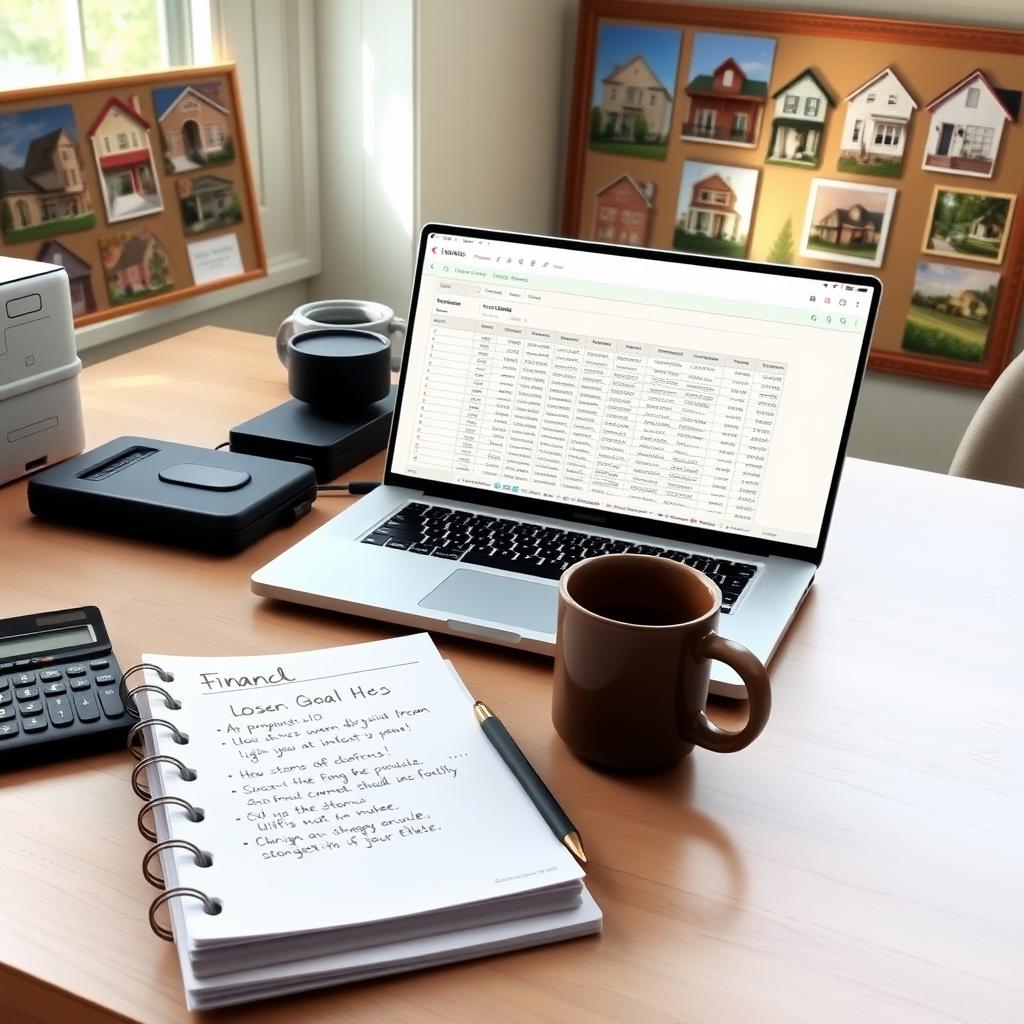
How to Save for a Down Payment on Your First Home
Saving for a down payment feels like climbing a mountain, but breaking it into steps makes it manageable. Here’s how to get started:
1. Set a Realistic Goal
Most lenders require 3-20% of the home’s price as a down payment. For a $300,000 home, that’s $9,000 to $60,000. Research home prices in your area to set a target. Use tools like Zillow to estimate costs.
2. Create a Dedicated Savings Account
Open a separate high-yield savings account for your down payment. This keeps your funds safe and earns interest. I set up automatic transfers to mine every payday—it felt like paying myself first.
3. Cut Non-Essential Spending
Review your expenses. Cancel unused subscriptions, cook more meals at home, and limit impulse buys. I saved $200 a month by ditching takeout coffee and packing lunch.
4. Boost Your Income
Consider side hustles like freelancing, tutoring, or selling unused items. Every extra dollar counts. My friend sold old furniture online and added $1,000 to her savings in a year.
5. Save Windfalls
Tax refunds, bonuses, or gifts? Put them straight into your down payment fund. It’s tempting to splurge, but these boosts can shave months off your timeline.
| Tip | Monthly Savings Potential |
|---|---|
| Cut dining out | $100-$300 |
| Cancel subscriptions | $20-$50 |
| Side hustle income | $200-$500 |
| Save tax refund | $1,000-$3,000 (yearly) |
By combining these strategies, you could save $500-$1,000 a month, putting a $20,000 down payment within reach in a couple of years.

Exploring Home Loan Options for First-Time Buyers
Once you’ve saved enough, it’s time to explore home loan options. First-time buyers have access to several programs designed to make homeownership affordable. Here’s a breakdown:
1. Conventional Loans
These are standard loans from private lenders. They often require a 5-20% down payment and good credit (620+ score). They’re flexible but may have stricter requirements.
2. FHA Loans
Backed by the Federal Housing Administration, these loans are ideal for first-time buyers with lower credit scores (as low as 580) or smaller down payments (3.5%). I knew someone who got an FHA loan with just $7,000 down on a $200,000 home.
3. VA Loans
If you’re a veteran or active-duty service member, VA loans offer zero down payment and no private mortgage insurance (PMI). Check eligibility at VA.gov.
4. USDA Loans
For rural or suburban buyers, USDA loans offer 0% down payment for low-to-moderate-income households. They’re less common but worth exploring if you’re outside urban areas.
Talk to multiple lenders to compare rates and terms. A 0.5% difference in interest can save you thousands over time.
Understanding Mortgage Term Length Options
The mortgage term is how long you’ll take to repay the loan. Choosing the right mortgage term length options can impact your monthly budget and total interest paid. Here’s what to know:
30-Year Fixed-Rate Mortgage
- Pros: Lower monthly payments, easier to budget.
- Cons: Higher total interest over time.
- Best for: First-time buyers needing affordability.
15-Year Fixed-Rate Mortgage
- Pros: Pay off faster, less total interest.
- Cons: Higher monthly payments.
- Best for: Those with stable, higher incomes.
Adjustable-Rate Mortgage (ARM)
- Pros: Lower initial rates, good for short-term ownership.
- Cons: Rates can rise, increasing payments.
- Best for: Buyers planning to move within 5-7 years.
I chose a 30-year fixed-rate mortgage because it gave me predictable payments, even if I paid a bit more interest. Use a mortgage calculator like the one on Bankrate to see how terms affect your budget.

Additional Tips to Stay on Track
1. Build an Emergency Fund
Unexpected costs like repairs can derail your budget. Aim for 3-6 months of living expenses alongside your down payment savings.
2. Improve Your Credit Score
A higher score means better loan terms. Pay bills on time, reduce debt, and avoid new credit cards before applying for a mortgage.
3. Get Pre-Approved
A pre-approval letter shows sellers you’re serious and helps you know your budget. It saved me from falling in love with homes I couldn’t afford.
4. Factor in Hidden Costs
Beyond the mortgage, budget for closing costs (2-5% of the home price), property taxes, insurance, and maintenance. These added up to $8,000 for me in the first year.
5. Stay Patient
Saving takes time. Celebrate small milestones, like hitting 25% of your down payment goal, to stay motivated.
Summary
Becoming a homeowner starts with smart budgeting. By saving diligently for a down payment, exploring home loan options for first-time buyers, and choosing the right mortgage term, you can make your dream home a reality. Stay focused, cut unnecessary expenses, and seek professional advice to navigate the process with confidence.


