Overview
Buying a home is one of life’s biggest decisions, and understanding mortgage terms is crucial to making informed choices. This guide breaks down key mortgage concepts, offers practical advice on selecting a lender online, and highlights the benefits and steps of applying for a mortgage online.
Why Understanding Mortgage Terms Matters
When I helped my sister buy her first home, we were overwhelmed by terms like APR, escrow, and amortization. It felt like learning a new language. But taking the time to understand these terms saved her thousands in the long run. Knowing what you’re signing up for empowers you to compare offers, avoid hidden costs, and secure a mortgage that fits your budget. Let’s unpack the essentials so you can navigate the process with confidence.
Key Mortgage Terms to Know
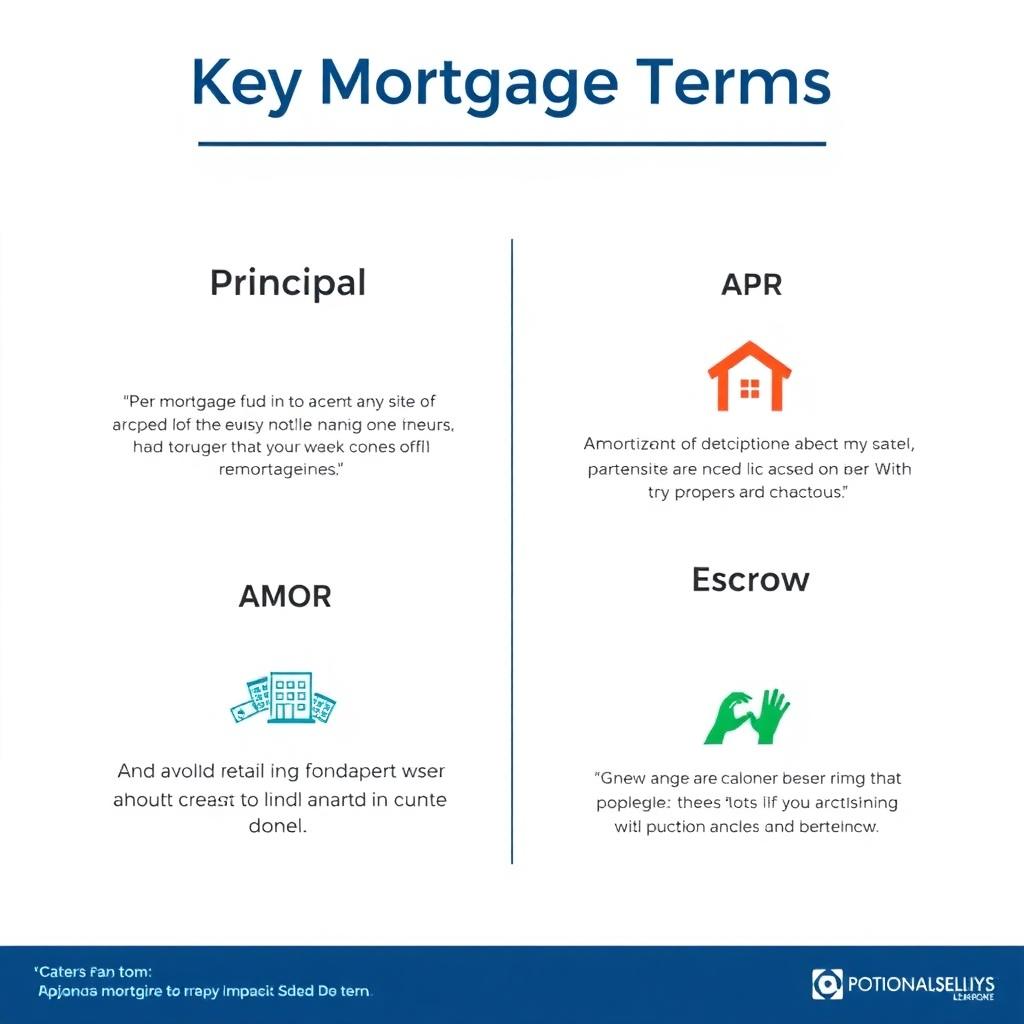
Here are the must-know terms to get you started:
- Principal: The amount you borrow to buy the home. For example, if you take out a $300,000 loan, that’s your principal.
- Interest Rate: The cost of borrowing, expressed as a percentage. A lower rate means lower monthly payments.
- Annual Percentage Rate (APR): This includes the interest rate plus additional fees, giving you the true cost of the loan. Always compare APRs, not just interest rates, to see the full picture.
- Amortization: The process of paying off your loan over time through regular payments. Early on, most of your payment goes toward interest, but over time, more goes toward the principal.
- Escrow: An account where funds are held for property taxes and homeowners insurance, often included in your monthly payment.
- Closing Costs: Fees paid at the end of the loan process, typically 2-5% of the loan amount, covering appraisals, title searches, and more.
These terms are the foundation of any mortgage agreement. Familiarizing yourself with them helps you ask the right questions and spot red flags.
How to Choose the Right Mortgage Lender Online
Finding a trustworthy lender online can feel daunting, but it’s easier when you know what to look for. My friend Mark learned this the hard way when he nearly signed with a lender offering a low rate but sky-high fees. Here’s how to choose the right mortgage lender online:
- Check Credentials: Ensure the lender is licensed and regulated. Look for reviews on trusted platforms like the Better Business Bureau.
- Compare Rates and Fees: Use tools like the Consumer Financial Protection Bureau’s rate checker to compare APRs across lenders. This tool helped Mark save $2,000 by spotting a better deal.
- Read the Fine Print: Look for hidden fees or prepayment penalties. Transparency is key.
- Assess Customer Service: Test their responsiveness by asking questions via email or chat. A good lender answers promptly and clearly.
- Look for Flexibility: Some lenders, like MGS Mortgage Services, offer tailored options for first-time buyers or those with unique financial situations.
Taking these steps ensures you partner with a lender who aligns with your goals.
Top Benefits of Online Mortgage Applications
Applying for a mortgage online has transformed the homebuying process. When I refinanced my home, the online process saved me hours of paperwork and trips to the bank. Here are the top benefits of online mortgage applications:
- Convenience: Apply from anywhere, anytime, without scheduling in-person meetings.
- Speed: Online platforms often provide faster preapprovals, sometimes within hours.
- Transparency: Digital tools let you compare rates and terms side by side, making it easier to spot the best deal.
- Accessibility: Many platforms, like MGS Mortgage Services, offer user-friendly interfaces and support for first-time buyers.
- Paperless Process: Upload documents securely online, reducing clutter and stress.
These benefits make online applications a game-changer, especially for busy professionals or first-time buyers.

Steps to Apply for a Mortgage Online
Applying for a mortgage online is straightforward if you follow these steps. I used this process when refinancing, and it made everything smoother:
- Check Your Credit Score: A higher score means better rates. Use free tools like AnnualCreditReport.com to review your report.
- Gather Documents: You’ll need pay stubs, tax returns, bank statements, and ID. Having these ready speeds things up.
- Get Preapproved: Submit basic financial info online to get a preapproval letter, which shows sellers you’re serious.
- Compare Lenders: Use platforms like Bankrate to compare rates and terms from multiple lenders.
- Submit Your Application: Choose a lender, complete their online form, and upload documents securely.
- Review the Closing Disclosure: This document outlines your loan terms and costs. Check it carefully for errors.
- Close the Loan: Sign documents electronically or in person, and pay closing costs.
Following these steps keeps you organized and confident throughout the process.
Common Mortgage Types Explained
Not all mortgages are the same. Understanding your options helps you pick the right one:
| Mortgage Type | Description | Best For |
|---|---|---|
| Fixed-Rate | Interest rate stays the same for the loan term. | Buyers who want predictable payments. |
| Adjustable-Rate (ARM) | Rate changes based on market conditions after an initial fixed period. | Those comfortable with potential rate increases. |
| FHA Loan | Backed by the Federal Housing Administration, requires lower down payments. | First-time buyers with lower credit scores. |
| VA Loan | Backed by the Department of Veterans Affairs, no down payment required. | Eligible veterans and military members. |
Each type has pros and cons, so consider your financial situation and long-term goals. For example, FHA loans helped my cousin buy her first home with just a 3.5% down payment.

Avoiding Common Pitfalls
Mortgage mistakes can be costly. Here are pitfalls to avoid:
- Skipping Preapproval: Without it, you might waste time looking at homes you can’t afford.
- Ignoring APR: Focusing only on the interest rate can hide costly fees.
- Not Shopping Around: My sister saved $1,500 in closing costs by comparing three lenders.
- Overlooking Long-Term Costs: ARMs may start cheap but can get expensive if rates rise.
Taking your time and doing your homework prevents these missteps.
Summary
Understanding mortgage terms is the key to making smart homebuying decisions. By mastering concepts like APR and amortization, choosing the right lender online, and leveraging the benefits of online applications, you can secure a mortgage that fits your life. Follow the steps to apply for a mortgage online, and you’ll be well on your way to homeownership.


