Overview: Understanding Mortgage Rates in Today’s Market
Mortgage rates shape the cost of homeownership, but what drives them? From economic shifts to personal financial choices, several factors influencing today's mortgage rates come into play. This article dives deep into these elements, offering clear insights to help you navigate the mortgage landscape with confidence.
The Big Picture: Economic Forces at Work
Mortgage rates don’t exist in a vacuum—they’re tied to the broader economy. One major player is the Federal Reserve. When the Fed adjusts its benchmark interest rate, it ripples through the housing market. For instance, when inflation rises, the Fed might hike rates to cool the economy, pushing mortgage rates up. Conversely, rate cuts can lower borrowing costs. In 2025, with inflation stabilizing but economic uncertainty lingering, the Fed’s moves are closely watched. Check out the Federal Reserve’s economic updates for real-time insights into their policies.
Another economic driver is the bond market, particularly the 10-year Treasury note. Mortgage rates often move in tandem with Treasury yields because lenders use them as a benchmark for setting rates. When investors feel confident about the economy, they demand higher yields, which can push mortgage rates upward. In recent months, Treasury yields have fluctuated due to mixed signals on growth and inflation, directly impacting mortgage costs.

Inflation’s Role in Mortgage Rates
Inflation is a sneaky factor influencing today’s mortgage rates. When prices for goods and services climb, lenders raise rates to protect their returns. In my experience helping friends navigate homebuying, I’ve seen how rising inflation can make a dream home feel out of reach. For example, in early 2025, inflation hovered around 2.5-3%, pressuring lenders to keep rates higher than during low-inflation periods. The Bureau of Labor Statistics provides detailed inflation data to track these trends.
Housing Market Dynamics
The housing market itself plays a big role. When demand for homes is high and supply is low, lenders can charge higher rates because buyers are willing to borrow. In 2025, urban areas with tight inventory, like San Francisco or Austin, often see higher rates than rural markets. On the flip side, when demand slows, lenders may lower rates to attract borrowers. Keeping an eye on local market trends can give you an edge when shopping for a mortgage.
Your Personal Finances: A Direct Impact
While economic factors set the stage, your financial profile shapes the rate you’re offered. Your credit score is a huge driver. Lenders reward high scores (think 740+) with lower rates because they see you as less risky. I once helped a cousin boost his score by 50 points in six months by paying down credit card debt—saving him thousands over his loan’s life. Check your score through free tools like those offered by Experian.

Debt-to-Income Ratio (DTI)
Your debt-to-income ratio is another key factor. Lenders calculate this by dividing your monthly debt payments by your income. A lower DTI (below 36%) signals you can handle a mortgage, often earning you a better rate. I’ve seen friends consolidate small debts to lower their DTI, which helped them lock in a rate almost half a percent lower.
Loan Type and Term
The type of mortgage you choose also matters. Fixed-rate mortgages, like a 30-year loan, often have higher rates than adjustable-rate mortgages (ARMs) because they lock in your rate for decades. In 2025, 30-year fixed rates average around 6.5-7%, while 5/1 ARMs might start closer to 5.5%. Shorter-term loans, like 15-year mortgages, typically have lower rates but higher monthly payments. Weigh your budget and long-term plans when choosing.
Down Payment Size
Your down payment can influence your rate too. Putting down 20% or more often secures a lower rate because it reduces the lender’s risk. For example, a colleague who scrimped to hit 20% avoided private mortgage insurance (PMI) and got a better rate. If you can’t swing 20%, some lenders offer competitive rates for as little as 3-5% down, but shop carefully.
Global and Political Events
Unexpected events, like trade disputes or geopolitical tensions, can sway mortgage rates. When uncertainty spikes, investors often flock to safer assets like Treasury bonds, driving down yields and, in turn, mortgage rates. For instance, in 2025, global supply chain concerns have occasionally cooled rates. Staying informed via sources like the International Monetary Fund can help you anticipate these shifts.
How to Navigate Today’s Mortgage Rates
So, what can you do? First, shop around. Different lenders offer different rates, even for the same borrower. I once compared quotes for a friend and found a 0.25% rate difference that saved her $50 a month. Use online tools to compare offers, but don’t stop there—call local credit unions, which often beat big banks on rates.
Second, lock in your rate at the right time. If rates are trending down, consider waiting, but don’t gamble too long—rates can spike unexpectedly. A rate lock can protect you for 30-60 days while you finalize your loan. Lastly, boost your financial profile. Pay down debt, avoid big purchases before applying, and check your credit report for errors.
Looking Ahead: What’s Next for Mortgage Rates?
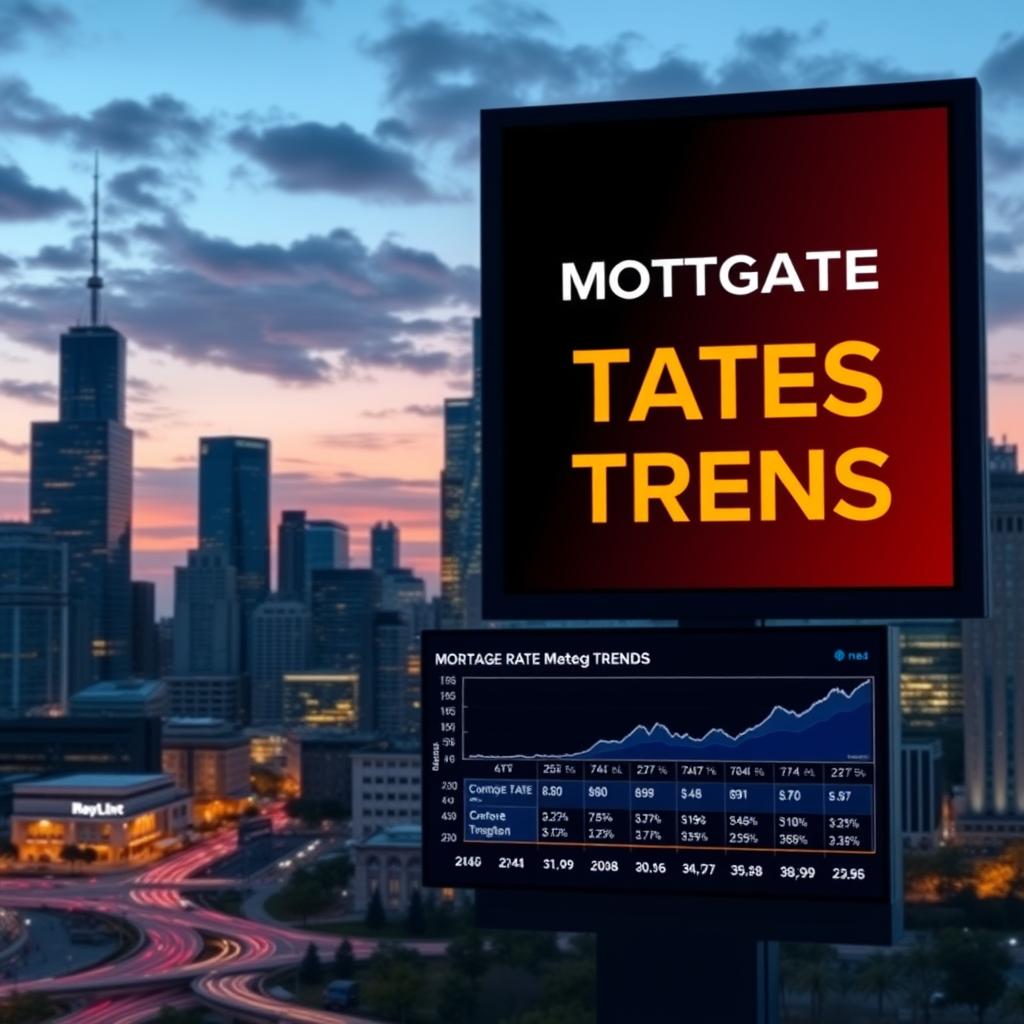
Predicting mortgage rates is tricky, but trends suggest modest fluctuations in 2025. If inflation cools further, we might see rates dip slightly. However, global uncertainties and Fed policies could keep rates volatile. Stay proactive—monitor economic news and work on your finances to position yourself for the best deal.
Summary: Take Control of Your Mortgage Journey
Mortgage rates are shaped by a mix of economic trends, market dynamics, and your personal finances. Understanding these factors influencing today’s mortgage rates empowers you to make smart choices. Shop around, improve your credit, and stay informed to secure a mortgage that fits your budget and goals.


