Overview
If you're dreaming of homeownership but worry about your credit score, an FHA loan could be your ticket. These government-backed mortgages offer flexible requirements, making them ideal for first-time buyers. This guide explains how to improve your credit score for an FHA loan, FHA loan eligibility, and tips for choosing the right FHA loan lender.
Understanding FHA Loans and Credit Requirements
An FHA loan, insured by the Federal Housing Administration, helps people with lower credit scores or limited savings buy a home. Unlike conventional loans, which often require a credit score of 620 or higher, FHA loans are more lenient. You can qualify with a score as low as 500, but the terms depend on your score. A score of 580 or above allows a 3.5% down payment, while 500–579 requires 10%. How to qualify for an FHA mortgage starts with understanding these benchmarks.
I remember helping a friend navigate this process. She had a credit score of 560 and thought homeownership was out of reach. By focusing on small, consistent improvements, she boosted her score to 590 in six months, qualifying for a lower down payment. It wasn’t easy, but it was doable with discipline.

Step-by-Step Guide to Improve Your Credit Score
Improving your credit score takes time, but it’s a critical step for FHA loan eligibility. Here’s how to get started:
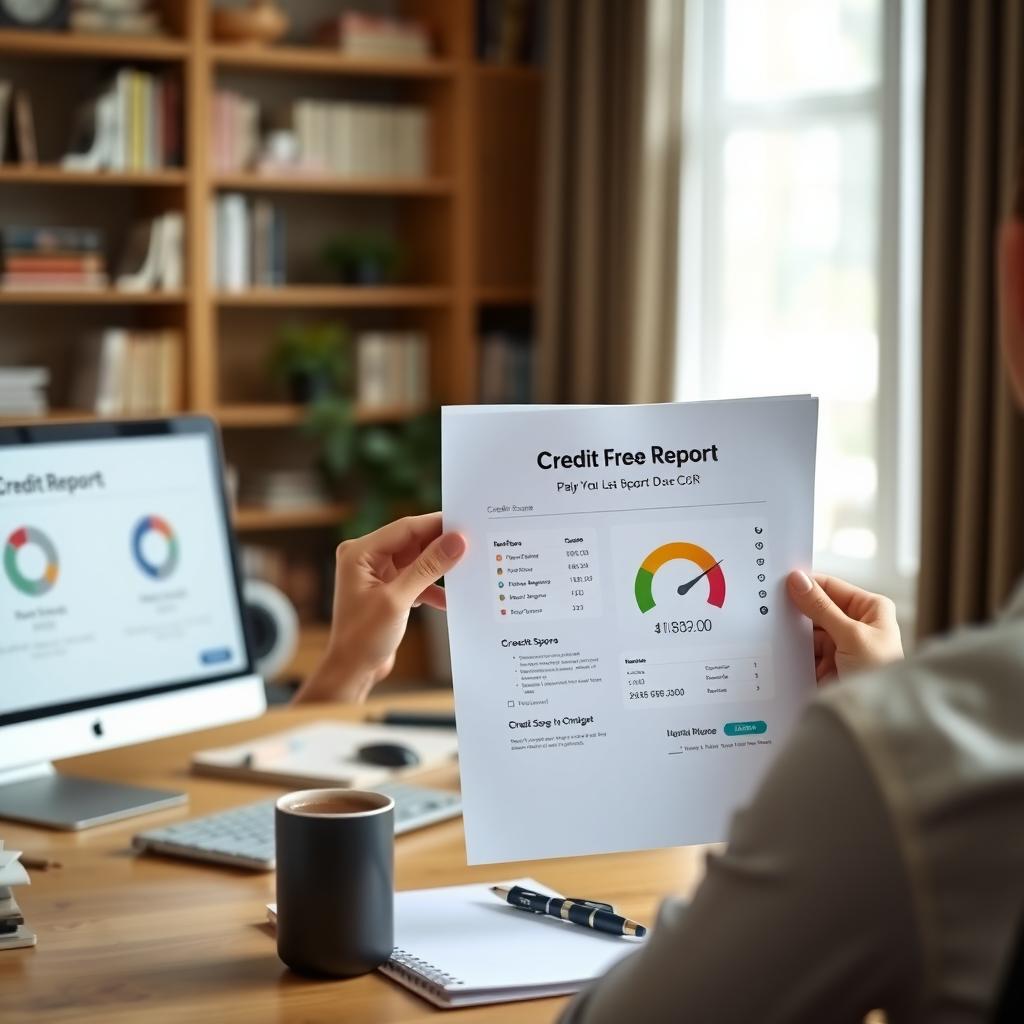
1. Check Your Credit Report
Pull your credit reports from Equifax, Experian, and TransUnion for free at AnnualCreditReport.com. Look for errors like incorrect late payments or accounts that aren’t yours. Disputing inaccuracies can quickly raise your score. My friend found a paid-off credit card wrongly listed as active, and fixing it added 20 points to her score.
2. Pay Bills on Time
Payment history makes up 35% of your FICO score. Set up automatic payments for bills like utilities, rent, and credit cards to avoid late payments. Even one missed payment can drop your score significantly. If you’re struggling, contact creditors to negotiate payment plans.
3. Reduce Your Debt
Your debt-to-income (DTI) ratio is key for how to qualify for an FHA mortgage. Lenders prefer a DTI below 43%, though some allow up to 57% with strong credit. Pay down high-interest credit cards first. For example, paying off a $2,000 balance on a card with a $5,000 limit can improve your credit utilization ratio, which accounts for 30% of your score.
4. Avoid New Credit Applications
Each hard inquiry can lower your score by a few points. Avoid opening new credit cards or loans while preparing for an FHA loan. Focus on managing existing accounts responsibly.
5. Consider a Secured Credit Card
If your credit is thin or damaged, a secured credit card can help. You deposit money upfront, which becomes your credit limit. Using it responsibly builds positive payment history. My cousin used one to go from no credit to a 600 score in a year.
FHA Loan Eligibility: Beyond the Credit Score
While credit score is crucial, FHA loan eligibility involves other factors:
- Steady Income: You need two years of verifiable employment or consistent income. Gaps are okay if explained (e.g., school or military service).
- DTI Ratio: Your monthly debt payments, including the mortgage, shouldn’t exceed 43% of your gross income. Some lenders allow higher with compensating factors like savings.
- Primary Residence: The home must be your main home, not a vacation or investment property.
- Mortgage Insurance: FHA loans require an upfront premium (1.75% of the loan) and annual premiums (0.4%–0.75%). These protect lenders if you default.
- Loan Limits: In 2025, FHA loan limits range from $524,225 to $1,209,750, depending on your area, per HUD’s official site.
When I worked with a mortgage broker, I learned lenders look at your whole financial picture. A client with a 580 score but steady income and low debt was approved faster than someone with a 620 score but high DTI. It’s about balance.
Choosing the Right FHA Loan Lender
Not all lenders are equal when it comes to choosing the right FHA loan lender. Some impose stricter rules, called overlays, like requiring a 620 score instead of 580. Here’s how to pick wisely:
| Factor | What to Look For |
|---|---|
| FHA Approval | Ensure the lender is FHA-approved via HUD’s lender list. |
| Interest Rates | Compare rates from at least three lenders. Even a 0.5% difference saves thousands over 30 years. |
| Fees | Ask about origination fees and closing costs. FHA allows sellers or lenders to cover up to 6% of these. |
| Customer Service | Read reviews on sites like ConsumerAffairs for responsiveness and transparency. |
| Flexibility | Look for lenders who accept lower scores or higher DTIs without excessive penalties. |
A colleague once chose a lender based solely on a low rate but got stuck with poor communication. It delayed her closing by weeks. Always check reviews and ask for a loan estimate upfront.

Common Pitfalls and How to Avoid Them
- Ignoring Small Debts: Small unpaid bills, like medical collections, can hurt your score. Pay them off or negotiate settlements.
- Rushing the Process: Improving your score takes months. Start at least six months before applying.
- Not Shopping Around: Don’t settle for the first lender. Compare terms to save money.
- Overlooking Assistance Programs: FHA allows gift funds or down payment assistance. Check state programs via your state housing finance agency.
I saw a buyer miss out on a home because they didn’t know about gift funds. Their parents could’ve helped with the down payment, but they never asked. Always explore all options.
Summary
Improving your credit score for an FHA loan is about consistency: check your reports, pay bills on time, reduce debt, and avoid new credit. Understanding FHA loan eligibility and how to qualify for an FHA mortgage means balancing credit, income, and DTI. When choosing the right FHA loan lender, compare rates, fees, and flexibility to find the best fit. With patience and the right strategy, an FHA mortgage can make homeownership a reality.


