Overview
Your credit report is a snapshot of your financial health, and knowing how to read it can feel like decoding a secret language. Whether you're aiming to qualify for an FHA mortgage or just want to improve your credit, this guide will walk you through the process step-by-step. We'll break down each section of your credit report, share tips to spot errors, and offer strategies to boost your score.
Why Your Credit Report Matters
Your credit report is like a report card for your finances. Lenders, landlords, and even some employers use it to decide if you're trustworthy with money. A strong credit report can help you secure better interest rates on loans, like an FHA mortgage, or even lower your insurance premiums. But if there are mistakes, they could cost you. Understanding your report is the first step to taking control.
I remember the first time I pulled my credit report. It felt overwhelming—pages of numbers, codes, and terms I didn’t fully understand. But once I learned how to break it down, it was like unlocking a map to better financial decisions.
Where to Get Your Credit Report
You can get a free copy of your credit report from each of the three major bureaus—Equifax, Experian, and TransUnion—once a year through AnnualCreditReport.com. This is the only federally authorized site, so steer clear of imposters. You can also access free reports through some banks or credit monitoring services, but always check for hidden fees.
Pro Tip: Stagger your requests. Pull one report every four months from a different bureau to keep tabs on your credit year-round.

Breaking Down Your Credit Report
Your credit report has four main sections. Let’s go through each one so you can read it like a pro.
1. Personal Information
This section lists your name, address, Social Security number, and employment history. It’s simple but critical. Errors here—like a wrong address or misspelled name—can signal identity theft or mix-ups with someone else’s file.
Action Step: Check every detail. If something’s off, contact the bureau immediately to correct it.
2. Accounts
This is the meat of your report. It shows all your credit accounts—credit cards, loans, mortgages, etc. Each account lists: - The lender’s name - Account type (e.g., revolving or installment) - Date opened - Current balance - Payment history - Credit limit or loan amount
Look for late payments or accounts you don’t recognize. These could hurt your score or indicate fraud.
3. Public Records
This section includes bankruptcies, foreclosures, or tax liens. These are serious red flags for lenders, especially if you’re applying for an FHA mortgage, which has strict eligibility rules.
4. Inquiries
Inquiries show who’s checked your credit. There are two types: - Hard inquiries: When you apply for credit, like a loan or credit card. Too many can lower your score. - Soft inquiries: When you check your own credit or a lender pre-qualifies you. These don’t affect your score.
Pro Tip: If you’re shopping for a mortgage, keep inquiries within a 14- to 45-day window. Most scoring models count these as one inquiry.
How to Spot Errors
Mistakes on your credit report are more common than you’d think. A 2021 study by the Federal Trade Commission found that 26% of consumers had at least one error on their report. Errors can include: - Incorrect personal information - Accounts that aren’t yours - Wrong payment statuses (e.g., showing a missed payment you made on time) - Duplicate accounts
When I found an old utility bill marked as unpaid on my report, it was a headache to fix, but it taught me to check every detail. If you spot an error, file a dispute with the credit bureau online or by mail. Include proof, like payment receipts, and keep records of everything.
Table: Steps to Dispute an Error | Step | Action | |------|--------| | 1. Gather Evidence | Collect bank statements, receipts, or other proof. | | 2. Contact the Bureau | File a dispute through the bureau’s website or by mail. | | 3. Notify the Lender | Inform the creditor about the error. | | 4. Follow Up | Check the status of your dispute after 30 days. |
Most disputes are resolved within 30 days, but persistence pays off.
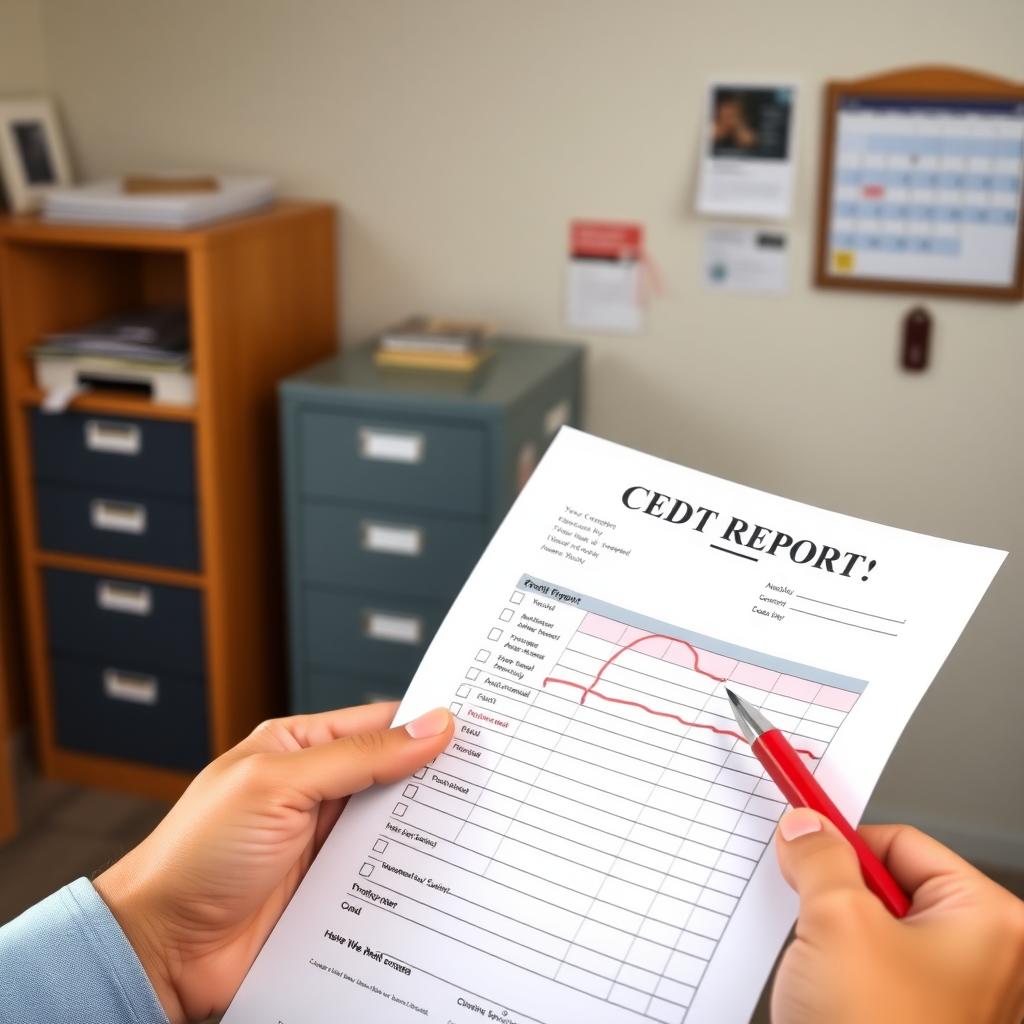
How to Boost Your Credit Score for a Mortgage
Your credit score, derived from your credit report, is a key factor in getting approved for a mortgage, especially an FHA mortgage. FHA loans are forgiving, requiring a minimum score of 580 for a 3.5% down payment, but a higher score can secure better terms. Here’s how to boost your score:
- Pay on Time: Payment history is 35% of your FICO score. Set up autopay to avoid missing due dates.
- Lower Your Credit Utilization: Keep your credit card balances below 30% of your limit. Pay down high balances first.
- Don’t Close Old Accounts: Older accounts improve your credit history length, which is 15% of your score.
- Limit New Credit Applications: Too many hard inquiries can ding your score.
When I was preparing to apply for a mortgage, I focused on paying off my highest credit card balance. It took a few months, but my score jumped 20 points, which made a big difference in my loan terms.
FHA Mortgage Insurance Application Tips
If you’re eyeing an FHA mortgage, your credit report plays a big role. FHA loans require mortgage insurance, which protects the lender if you default. Here are some tips to strengthen your FHA mortgage insurance application:
- Check Your Debt-to-Income Ratio (DTI): Lenders prefer a DTI below 43%. Pay down small debts to lower your ratio.
- Review Your Report Early: Fix errors at least 6 months before applying to give your score time to recover.
- Work with an FHA-Approved Lender: They’ll guide you through the process and explain mortgage insurance costs.
FHA mortgage insurance includes an upfront premium (1.75% of the loan) and an annual premium (0.15% to 0.75%, depending on your loan term and down payment). Understanding these costs upfront can help you budget.
Pro Tip: If your credit score is below 580, you may still qualify for an FHA mortgage with a 10% down payment, but cleaning up your credit report first can save you money.

Common Mistakes to Avoid
Reading your credit report like a pro means avoiding these pitfalls: - Ignoring Small Errors: Even minor mistakes can hurt your score. - Not Checking All Three Reports: Each bureau may have different information. - Applying for Credit Too Often: Space out applications to avoid multiple hard inquiries. - Assuming It’s All Correct: Always double-check, especially before big financial moves like applying for an FHA mortgage.
When I applied for my first loan, I didn’t realize one bureau had an old address listed, which caused a delay. Lesson learned: check everything.
Summary
Reading your credit report doesn’t have to be intimidating. By understanding its sections, spotting errors, and taking steps to boost your score, you can take charge of your financial future. Whether you’re aiming for an FHA mortgage or just want better loan terms, a clean credit report is your foundation. Start today by pulling your report and reviewing it with these tips in mind.


