Overview
Buying your first home is thrilling but can feel overwhelming. From saving for a down payment to understanding mortgage terms, the process has many steps. This guide, First-Time Homebuyer Tips: What You Need to Know, breaks it down with practical advice to help you succeed.
Assess Your Financial Readiness
Before you start browsing listings, take a hard look at your finances. Homeownership is a big commitment, and being prepared sets you up for success. Start by checking your credit score, as it plays a huge role in getting a mortgage. A score of 620 or higher is ideal for most loans, but some programs, like FHA loans, accept scores as low as 580 with a 3.5% down payment. Visit AnnualCreditReport.com to get free credit reports from Equifax, Experian, and TransUnion. Review them for errors and dispute any inaccuracies to boost your score.
Next, calculate your debt-to-income (DTI) ratio. This shows lenders how much of your income goes toward debt. Add up your monthly bills (like car loans or credit card payments) and divide by your gross monthly income. Most lenders prefer a DTI below 43%. Paying off small debts, like a lingering credit card balance, can lower your DTI and improve your chances of approval. I learned this the hard way when I paid off a small car loan, which dropped my DTI and helped me qualify for a better interest rate.

Smart Ways to Save for Your Down Payment
Saving for a down payment is often the biggest hurdle for first-time buyers. Down payments typically range from 3% to 20% of the home’s price. For a $400,000 home, that’s $12,000 to $80,000. The more you save, the less you’ll borrow, which lowers your monthly payments. Start by setting a monthly savings goal. I found success by automating transfers to a high-yield savings account. Even $100 a month adds up over time—$1,200 a year isn’t nothing!
Cut back on non-essential spending, like dining out or subscriptions you rarely use. Create a budget to track where your money goes. If you get a raise or pay off a debt, redirect that money to your savings. Another tip? Look into down payment assistance programs. These can offer grants or low-interest loans to cover part of your down payment or closing costs, which typically range from 2% to 6% of the loan amount. The U.S. Department of Housing and Urban Development (HUD) lists programs by state that can ease the financial burden.
Exploring Down Payment Assistance Programs
Down payment assistance programs are a game-changer for many first-time buyers. These programs, often run by state or local housing authorities, provide grants, forgivable loans, or low-interest loans to help cover upfront costs. For example, some programs forgive the loan if you live in the home for a set period, like five years. Eligibility often depends on income, location, or the home’s price. In 2025, the availability of these programs is growing as housing affordability remains a challenge, according to The New York Times. Check with your state’s housing finance authority or a mortgage lender to find options in your area.
When I bought my first home, I used a local assistance program that covered half my closing costs. It required a free homebuyer education course, which was actually super helpful for understanding the process. Some programs, like Fannie Mae’s HomeReady or Freddie Mac’s Home Possible, also offer low down payment options (as little as 3%) and require similar courses. These programs can make homeownership more accessible, especially if you’re stretching to afford a down payment.

Essential Mortgage Terms Explained
Mortgages come with a lot of terms that can feel like a foreign language. Here’s a quick breakdown of the essentials:
- Principal: The amount you borrow to buy the home.
- Interest: The cost of borrowing, expressed as a percentage rate.
- PITI: Your monthly payment, covering principal, interest, taxes, and insurance.
- Private Mortgage Insurance (PMI): Required if your down payment is less than 20%, this protects the lender if you can’t pay.
- Escrow: An account holding funds for taxes and insurance, often included in your monthly payment.
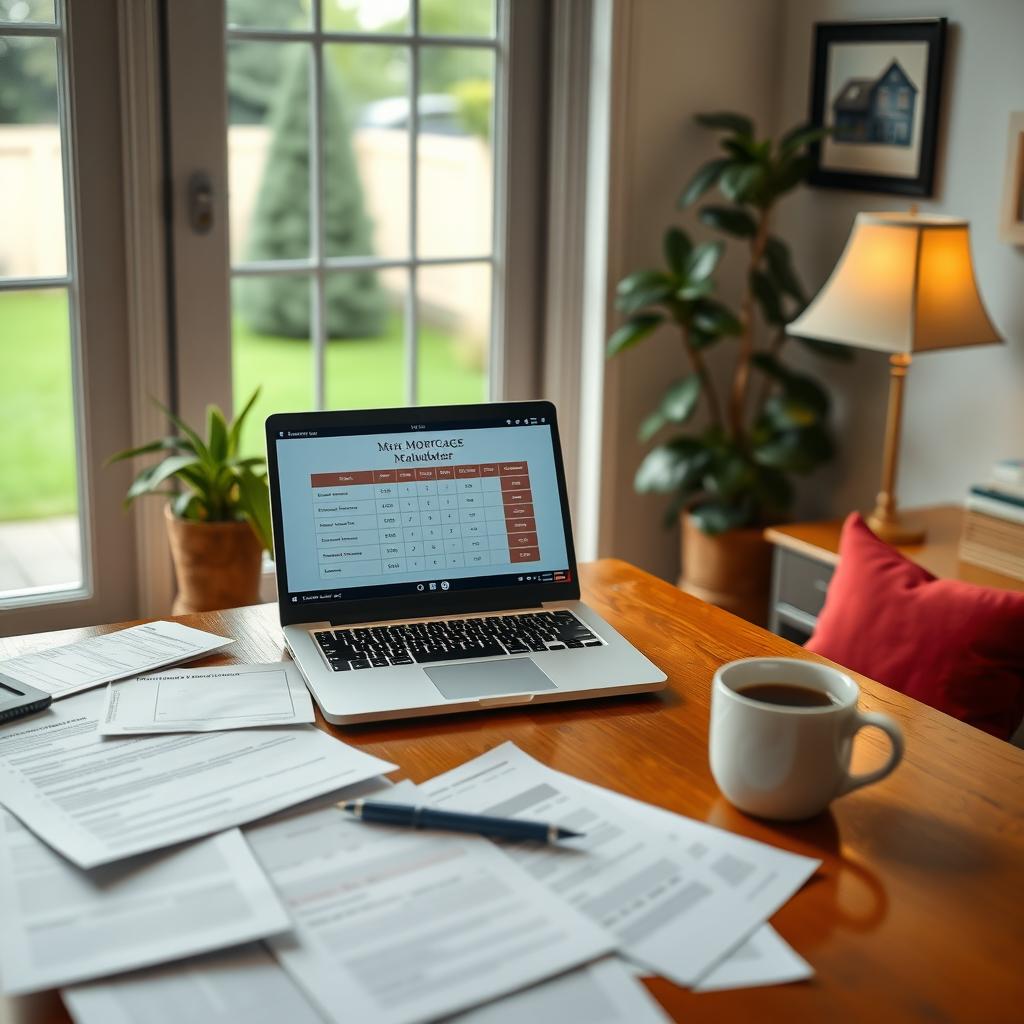
Understanding these terms helps you compare loan options. For example, a 15-year mortgage has higher monthly payments but saves on interest over time compared to a 30-year loan. Use a mortgage calculator to estimate payments and see how different terms affect your budget.
When I shopped for a mortgage, I was surprised how much PMI added to my monthly payment. Putting down 20% to avoid it wasn’t realistic, so I chose an FHA loan with a lower down payment but higher insurance costs. Knowing the trade-offs helped me make an informed choice. The Consumer Financial Protection Bureau (CFPB) has great resources for comparing loan terms and understanding your options.
Mortgage Lender Requirements for Approval
Lenders look at a few key factors to decide if you qualify for a mortgage. First, your credit score matters—a higher score (ideally 740+) gets you better interest rates. Second, your DTI ratio shows if you can handle monthly payments. Most lenders want a DTI below 43%, though some, like FHA lenders, allow up to 50%. Third, you’ll need a steady income and job history, typically two years with the same employer or in the same field. Finally, you’ll need to show savings for a down payment and closing costs.
Lenders also want proof of your financial stability. Gather documents like bank statements, pay stubs, W-2s, and tax returns. I made the mistake of moving money between accounts during the process, which confused my lender and delayed approval. Keep your finances steady and avoid big purchases, like a new car, while applying. A pre-approval letter from a lender shows sellers you’re serious and helps you shop within your budget. It’s like a dress rehearsal for the real deal.
Finding the Right Home and Agent
Once you’re pre-approved, start your home search with a trusted real estate agent. A good agent knows the local market, helps you find homes that fit your needs, and negotiates on your behalf. Ask friends or family for referrals and interview a few agents to find someone you click with. Make a list of must-haves (like bedrooms or a yard) and nice-to-haves (like a big kitchen). This keeps you focused and avoids falling for a home that doesn’t meet your needs.
Tour homes in your price range and research neighborhoods for schools, safety, and resale potential. I fell in love with a house that needed major repairs, but a home inspection saved me from a money pit. Always get an inspection to uncover issues like plumbing or electrical problems. If you’re buying a fixer-upper, consider loans like FHA 203(k) that roll repair costs into your mortgage.
Closing the Deal
Closing is the final step, where you sign a mountain of paperwork and get the keys. Expect to pay closing costs (2-6% of the loan) for things like appraisals, title insurance, and legal fees. Review all documents carefully and ask questions. I nearly missed an error in my loan amount because I rushed through the paperwork. A home warranty, like those offered by American Home Shield, can protect you from unexpected repair costs after moving in.
Summary
Buying your first home is a big step, but with the right preparation, it’s achievable. Check your credit, save for a down payment, explore assistance programs, and understand mortgage terms. Work with a trusted agent, get pre-approved, and always inspect the home. These steps will help you navigate the process with confidence and avoid common pitfalls.


