Overview
Applying for a mortgage can feel overwhelming, especially if it’s your first time. But knowing what to include in a mortgage application makes the process smoother. This guide covers the essentials—like proof of income and credit history—plus tips to help you succeed.
Why Your Mortgage Application Matters
A mortgage application is your ticket to homeownership. Lenders use it to decide if you’re a good fit for a loan. Mess it up, and you could face delays or rejection. Get it right, and you’re closer to your dream home. Accuracy is everything here.

Proof of Income: Show Them the Money
Lenders want to know you can pay back the mortgage. That starts with proof of income. Gather your recent pay stubs—usually from the last 30 days. Add your W-2 forms from the past two years. Tax returns help too, especially if your income varies. I once forgot a pay stub, and it held up my application for weeks. Don’t make that mistake.
If you’re self-employed, it’s trickier. You might need business tax returns or a profit and loss statement. Lenders love stability, so a steady job history looks good. Frequent job switches? Be ready to explain them.
Credit History: Your Financial Report Card
Your credit history tells lenders how you handle money. They’ll pull your credit report and score. A higher score—like 700 or above—can get you better rates. Mine was 680 when I applied, so I paid off a credit card to boost it. It worked! Try paying bills on time and cutting debt before you apply.
Watch out for new credit cards or loans right before applying. They can ding your score. Check your report for errors too—I found an old bill that wasn’t mine and got it fixed.
Employment Verification: Prove You’re Working
Lenders don’t just take your word that you’ve got a job. They’ll call your employer to verify it. Give them current contact info to speed things up. If you’re self-employed, bank statements or client contracts can back you up. One friend had to dig up old invoices—it’s worth being prepared.

Assets and Liabilities: Your Money Snapshot
Lenders want the full picture of your finances. List your assets—like savings accounts, stocks, or a 401(k). Then, detail your liabilities—think car loans or student debt. I consolidated two small loans before applying to look less risky. It’s about showing you can manage the mortgage payments.
Here’s a quick table to organize it:
| Type | Examples | Tips |
|---|---|---|
| Assets | Savings, Investments | Show recent statements |
| Liabilities | Loans, Credit Cards | Pay down what you can |
Be honest—hiding debt can backfire big time.

Down Payment: Your Stake in the Game
A down payment shows you’re serious. Most lenders want 5-20% of the home’s price. Saving $20,000 for a $100,000 house took me two years, but it paid off with a lower rate. Gifts from family can help, but document them. Bigger down payments mean smaller loans and less interest.
Property Appraisal: Valuing Your Future Home
The lender won’t guess your home’s worth—they’ll appraise it. An expert checks the property to set its value. This affects how much you can borrow. A low appraisal once forced me to renegotiate the price. Pick a home in good shape to avoid surprises.

Tips to Stand Out
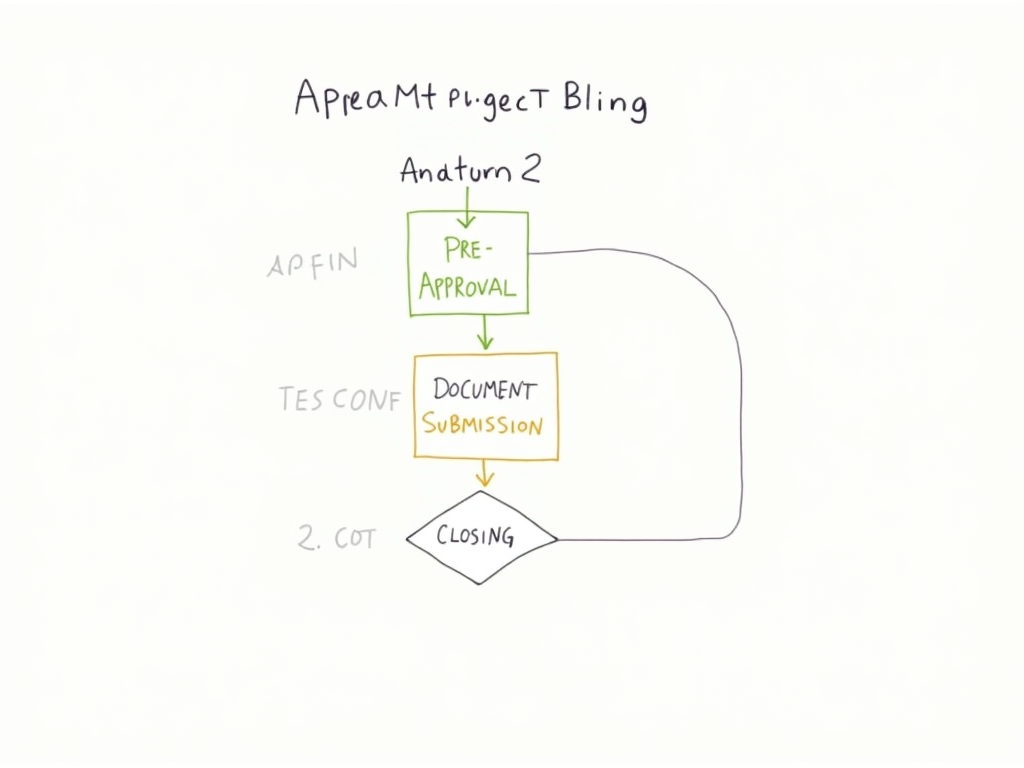
Want to shine? Double-check everything. Typos or missing pages slow you down. Be upfront—lenders hate surprises like hidden debt. Pre-approval helped me know my budget early. And don’t rush; a solid mortgage application takes time but saves stress later.
Here’s a checklist: - Pay stubs and tax returns - Credit report review - Employer contact info - Bank statements - Down payment plan
Simple steps, big impact.

What to Expect Next
After submitting, the underwriting process starts. Lenders dig into your details. It can take weeks, so be patient. Answer their questions fast—I once waited days to clarify a bank deposit, and it dragged things out. Approval feels great, though!
Summary
A mortgage application needs careful prep, but it’s doable. Include proof of income, credit history, and more—all accurate and complete. With these steps, you’re set to land that mortgage and your new home. Take it one piece at a time, and you’ll get there.


