Overview of FHA Loans
FHA loans, insured by the Federal Housing Administration, are designed to make homeownership more accessible, especially for first-time buyers and those with lower credit scores or smaller down payments.

These loans offer several benefits that can make buying a home easier and more affordable. In this article, we'll explore the key advantages of FHA loans and how they compare to conventional mortgages.
Benefits of FHA Loans
Lower Down Payment
One of the most significant benefits of FHA loans is the low down payment requirement. While conventional loans often require 5% to 20% down, FHA loans allow you to put down as little as 3.5% of the purchase price. This can make a huge difference for buyers who haven't had time to save a large sum.
For example, on a $200,000 home, a 3.5% down payment would be $7,000, compared to $10,000 for a 5% down payment on a conventional loan.

Flexible Credit Requirements
FHA loans are more lenient when it comes to credit scores. While conventional loans typically require a credit score of 620 or higher, FHA loans can be approved with scores as low as 500, though a score of 580 or above is needed for the minimum down payment.
This flexibility can be a lifesaver for borrowers who have had credit challenges in the past but are now on stable financial footing.

Competitive Interest Rates
FHA mortgage interest rates today are often lower than those for conventional loans, especially for borrowers with lower credit scores. This is because the government's insurance reduces the risk for lenders, allowing them to offer better rates.
To find the most current FHA mortgage interest rates, you can check with local lenders or visit the official HUD website.

Easier Qualification
Because of the government's backing, FHA loans have more relaxed qualification standards. This includes not only credit scores but also debt-to-income ratios and employment history.
For instance, FHA loans allow a higher debt-to-income ratio than many conventional loans, which can be beneficial if you have student loans or other debts.

Property Types
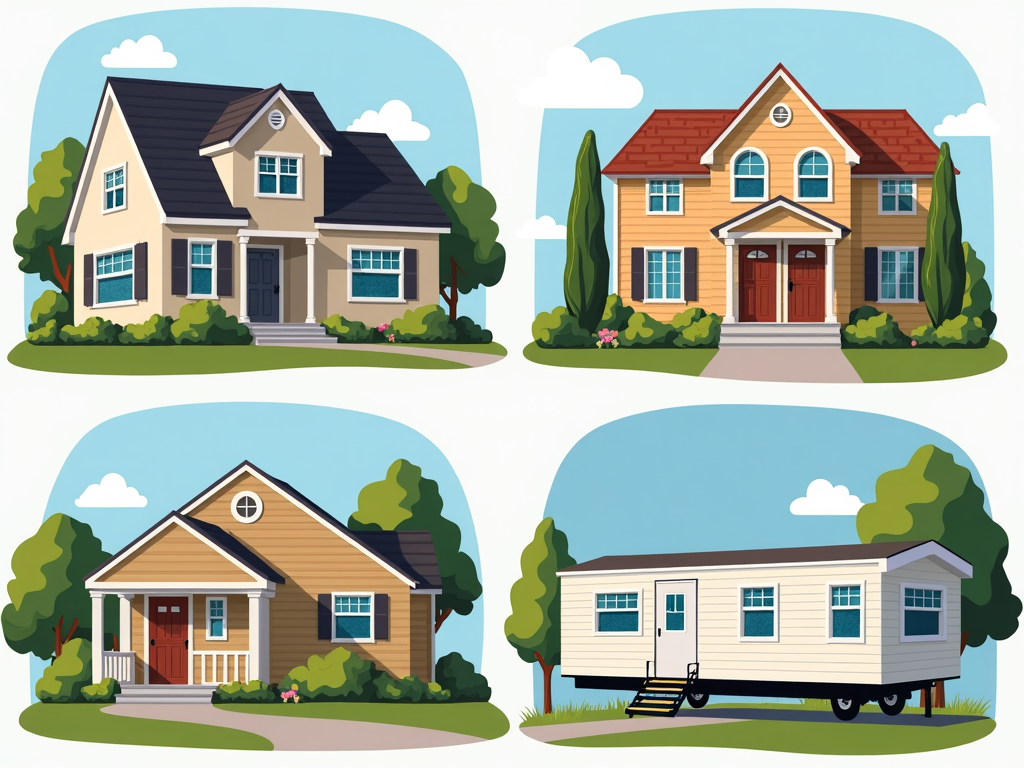
FHA loans can be used to purchase various types of properties, including single-family homes, multi-family homes (up to four units), and even some condos and manufactured homes, as long as they meet FHA standards.
This versatility makes FHA loans a good option for a wide range of buyers.
How to Apply for an FHA Loan
Applying for an FHA loan is similar to applying for any mortgage. Here are the basic steps:
- Check your credit score: While FHA loans are more flexible, a higher score can get you better terms.
- Save for a down payment: Aim for at least 3.5% of the purchase price.
- Get pre-approved: This will give you an idea of how much you can borrow.
- Find a property: Make sure it meets FHA standards.
- Submit your application: Work with an FHA-approved lender to complete the process.

Understanding the FHA Appraisal Process
The FHA appraisal is a crucial part of the loan process. It's not just about determining the property's value; it also ensures the home meets certain safety and habitability standards set by the FHA.
During the appraisal, the appraiser will check for issues like lead-based paint, faulty wiring, or structural problems. If the property doesn't meet the standards, the seller may need to make repairs before the loan can be approved.

Common Misconceptions About FHA Loans
There are several myths about FHA loans that can deter potential borrowers. Let's clear up a few:
- Myth: FHA loans are only for first-time homebuyers.
- Fact: While popular among first-time buyers, FHA loans are available to anyone who qualifies.
- Myth: FHA loans have higher interest rates.
- Fact: Actually, FHA loans often have lower rates due to government backing.
- Myth: You can't get an FHA loan if you have a bankruptcy on your record.
- Fact: You may still qualify after a certain waiting period.
FHA Loans vs. Conventional Loans
To help you decide which loan type is right for you, here's a comparison of FHA and conventional loans:
| Feature | FHA Loan | Conventional Loan |
|---|---|---|
| Down Payment | As low as 3.5% | Typically 5-20% |
| Credit Score | As low as 500 | Usually 620+ |
| Interest Rates | Often lower | Varies |
| Mortgage Insurance | Required | May be required if down payment <20% |
| Loan Limits | Set by county | Higher limits |

Tips for First-Time Homebuyers Using FHA Loans
If you're a first-time homebuyer considering an FHA loan, here are some tips to make the process smoother:
- Improve your credit score: Even though FHA loans have lower requirements, a better score can get you better rates.
- Save for closing costs: In addition to the down payment, you'll need to cover closing costs.
- Get pre-approved: This shows sellers you're serious and can speed up the buying process.
- Work with an experienced lender: Choose a lender familiar with FHA loans to guide you through the process.
- Be patient with the appraisal: The FHA appraisal can take longer than a conventional one, so plan accordingly.

Summary
FHA loans offer numerous benefits that make homeownership more accessible, especially for those with lower credit scores or smaller down payments. With advantages like lower down payments, flexible credit requirements, competitive interest rates, and the ability to purchase various property types, FHA loans are a valuable option for many buyers. If you're considering buying a home, explore whether an FHA loan is the right choice for you.


