Overview
An FHA mortgage, backed by the Federal Housing Administration, helps people buy homes when conventional loans aren’t an option. It offers lower down payments and easier credit score rules, making it a top choice for first-time buyers.

How to Qualify for an FHA Mortgage
To qualify for an FHA mortgage, you need to meet a few key requirements. Here’s what lenders look at:
-
Credit Score: You can qualify with a score as low as 580 for a 3.5% down payment. If it’s between 500 and 579, you’ll need 10%. Improving your score by paying bills on time can help. Learn more about how credit scores affect your mortgage options.
-
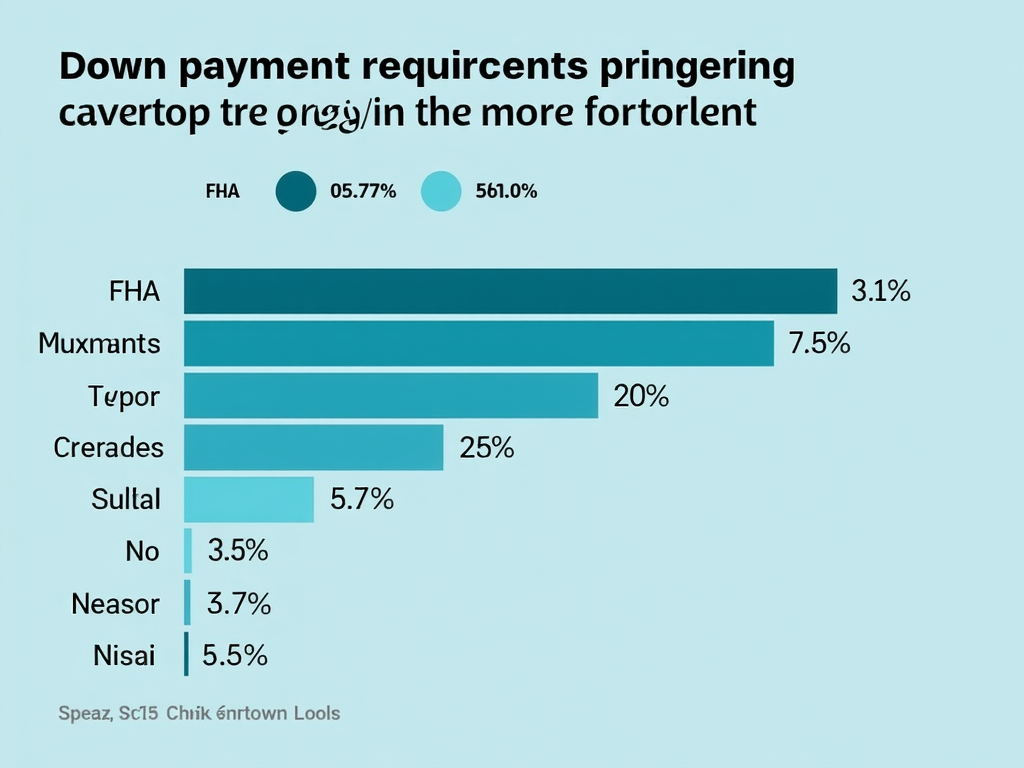
Down Payment: You only need 3.5% down if your credit score is 580 or higher. Saving this amount is easier than the 5-20% for conventional loans. Explore tips for saving for a down payment.
-
Debt-to-Income Ratio (DTI): Your monthly debt payments shouldn’t exceed 43% of your income. Pay off small debts to lower this.
-
Employment History: Show steady work for two years, even if you switched jobs in the same field.
-
Property Requirements: The home must be your main residence and pass an FHA appraisal for safety and quality. Understand the FHA appraisal requirements.
Personal Insight
My friend Sarah once thought owning a home was impossible with her 590 credit score. She discovered FHA loans, put down 10%, and bought her first place. Seeing her joy as a homeowner showed me how these loans can change lives.
Benefits of an FHA Mortgage
FHA loans come with perks that make buying a home easier:
-
Lower Down Payment: Just 3.5% down opens the door for many.
-
Flexible Credit Requirements: A score of 500 can still work, unlike stricter conventional loans.
-
Assumable Loans: If you sell, the buyer can take over your loan terms, which can attract more offers.
-
Lower Interest Rates: Rates are often better than conventional loans, especially if your credit isn’t perfect.
Finding FHA Approved Lenders
You’ll need an FHA-approved lender to get this loan. Check the HUD website for a list or ask your real estate agent. Compare at least three lenders’ rates and fees—small differences can save you thousands over time.

The FHA Mortgage Application Process
Here’s how to get your FHA mortgage:
-
Get Pre-Approved: Share your income and debt info with a lender to see what you can borrow.
-
Find a Home: Pick a place that meets FHA standards—your agent can guide you.
-
Submit Your Application: Hand over pay stubs, tax returns, and bank statements.
-
Underwriting: The lender checks everything. They might ask for more papers.
-
Appraisal: An FHA appraiser ensures the home is safe and worth the price.
-
Closing: Sign the papers and get your keys!
Personal Tip
Underwriting can feel overwhelming—my lender once asked for three years of tax returns out of the blue. Keep your documents in a folder and reply fast. It keeps things moving and reduces stress.

Common Misconceptions About FHA Loans
People get FHA loans wrong sometimes. Let’s clear things up:
-
Not Just for First-Timers: Anyone who qualifies can use them, not only new buyers.
-
Costs Aren’t Always Higher: Yes, you pay mortgage insurance, but lower rates can balance it out.
-
No Income Cap: You don’t need to be low-income—just able to pay the loan back.
Comparing FHA to Conventional Loans
Should you go FHA or conventional? Here’s a quick look:
| Feature | FHA Loan | Conventional Loan |
|---|---|---|
| Down Payment | 3.5% | 5-20% |
| Credit Score | 500+ | 620+ |
| Insurance | MIP for life | PMI removable at 20% equity |
| Interest Rates | Often lower | Varies by credit |
Your choice depends on your credit and cash on hand.
Summary
An FHA mortgage can turn your homeownership dream into reality. With low down payments and flexible rules, it’s easier to qualify than you might think. Know the steps, find FHA-approved lenders, and stay organized to make it happen.


