Quick Overview
Dreaming of owning a home but worried about strict loan rules? An FHA mortgage makes it easier. Backed by the government, these loans offer low down payments and flexible credit options. In this guide, we'll walk you through how to qualify for an FHA mortgage, share real stories, and give you simple steps to follow. Let's get you closer to your keys.

What Is an FHA Mortgage?
An FHA mortgage is a home loan insured by the Federal Housing Administration (FHA), part of the U.S. Department of Housing and Urban Development (HUD). This insurance lets lenders offer better terms because the government covers losses if you can't pay.
I remember when my sister first heard about FHA loans. She had a decent job but her credit took a hit from student loans. Conventional banks turned her away, but an FHA mortgage gave her a shot. It's designed for folks like her—first-time buyers, those with lower credit, or anyone needing a smaller down payment.
Unlike traditional loans, FHA mortgages focus on your potential, not perfection. But qualifying isn't automatic. You need to meet specific rules we'll cover next.
Why Choose an FHA Mortgage?
FHA loans shine for many reasons. Here's a quick list:
- Low Down Payment: As little as 3.5% if your credit score hits 580 or higher.
- Flexible Credit: Scores as low as 500 can work with a 10% down payment.
- Affordable for Families: Great for modest homes in various areas.
- Assumable: Future buyers can take over your loan at your rate.
In my view, the best part is accessibility. During the 2008 housing crash, FHA steps saved many families. Today, they help everyday people build wealth through homeownership.
Step 1: Assess Your Credit Score
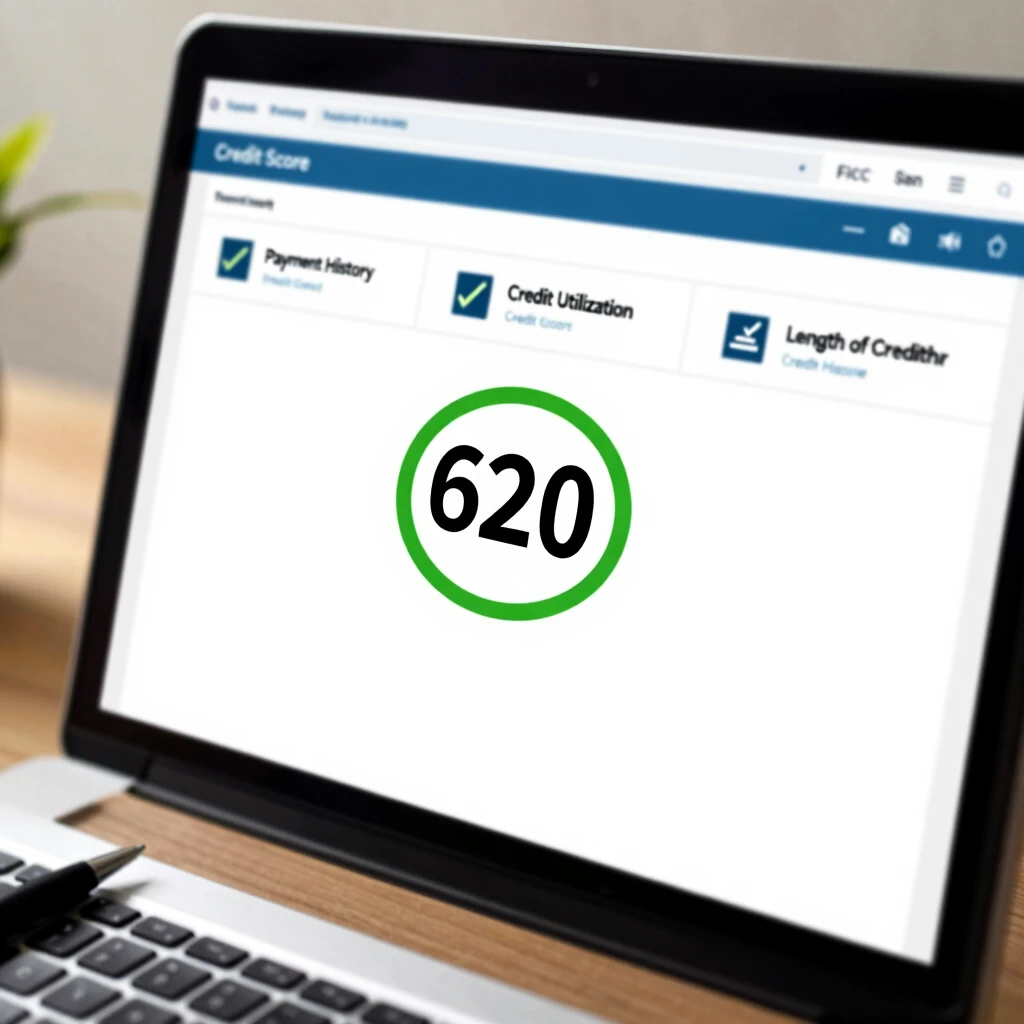
Your credit score is the starting line for how to qualify for an FHA mortgage. Lenders look for at least 580 for the best terms, but 500-579 works with extra effort on your down payment.
Pull your free credit report from AnnualCreditReport.com. Check for errors—old debts or wrong info can drag your score down. I once helped a friend spot a mistaken late payment; fixing it boosted her score by 50 points in weeks.
Actionable Tip: Pay bills on time (35% of your score) and keep credit use under 30%. If you're below 580, focus here first. Tools like Credit Karma track progress without dinging your score.
For official details on credit guidelines, review the FHA eligibility requirements from HUD.
Step 2: Plan Your Down Payment
Saving for a down payment feels big, but FHA keeps it manageable. Aim for 3.5%—on a $300,000 home, that's just $10,500.
Where to start? Open a high-yield savings account. Cut one coffee run a week or sell unused gadgets on eBay. My cousin saved his down payment by hosting garage sales; he turned clutter into his future home.
Remember, you'll also pay mortgage insurance premiums (MIP). It's about 0.85% of your loan yearly, split into upfront and monthly fees. This protects the lender but adds to costs—factor it in.
Pro Tip: Use gift funds from family for part of it, as long as it's documented.
Step 3: Prove Steady Income and Employment
Lenders want proof you can handle payments. Show two years of steady work—gigs count if documented. Self-employed? Provide tax returns.
Gather pay stubs, W-2s, and bank statements. Aim for a debt-to-income (DTI) ratio under 43%. That's your monthly debts divided by gross income.
Here's a simple table to calculate DTI:
| Monthly Gross Income | Monthly Debts (loans, cards, etc.) | DTI Calculation | Target |
|---|---|---|---|
| $5,000 | $1,500 | 30% | Under 43% |
| $4,000 | $2,000 | 50% | Too High – Pay Down Debt |
If your DTI is high, pay off small debts first. In one case I know, consolidating cards dropped a buyer's DTI from 48% to 38%, sealing the deal.
Understand Debt-to-Income Ratio in Depth
DTI isn't just a number—it's your financial health check. Front-end DTI (housing costs) should stay under 31%, back-end (all debts) at 43%.
Calculate it: (Monthly debts / Monthly income) x 100.
Exceptions exist for strong credit or cash reserves. Talk to an FHA approved lender early—they'll run the numbers for free.
From experience, ignoring DTI trips up many. A client once overlooked a car payment; it pushed her over the limit. We adjusted by delaying the loan two months—worth it for approval.
Step 4: Find the Right Property
Your home must meet FHA standards: safe, secure, and sanitary. No major fixes needed upfront, but appraisals check for issues like leaky roofs.
Shop within loan limits—varies by county. Use HUD's tool to check FHA loan limits for your area.
Focus on primary residences only—no investment flips. Condos? They must be FHA-approved complexes.

Step 5: Shop for FHA Approved Lenders
Not all banks offer FHA mortgages. Seek FHA approved lenders through HUD's lender list or sites like LendingTree.
Compare rates, fees, and service. I advise getting three quotes—my brother saved $200 monthly by switching lenders mid-process.
Look for transparency: No hidden fees, clear MIP explanations. As the Consumer Financial Protection Bureau notes on FHA loans, shopping saves thousands over the loan life.
The Application Process: A Simple Timeline
Ready to apply? Here's your roadmap:
- Pre-Approval (1-2 weeks): Submit docs for a letter showing your budget.
- House Hunt (1-3 months): Find and offer on a home.
- Appraisal & Underwriting (2-4 weeks): Lender verifies value and eligibility.
- Closing (1 week): Sign papers, get keys!
Total time: 30-60 days. Stay organized with a folder for all paperwork.
Real Talk: A Personal FHA Story
Let me share my own journey. Five years ago, as a single parent, my credit hovered at 610. Saving 3.5% seemed impossible with childcare costs. But I started small: Side gigs via Uber, budgeting apps like Mint.
Connecting with an FHA approved lender changed everything. They walked me through MIP and DTI tweaks. Today, I own a cozy starter home—proof FHA mortgages level the field. If I can, you can.
Common Mistakes to Avoid
Don't rush without pre-approval; it weakens offers. Skip co-signers unless necessary—they tie your finances.
Also, budget for closing costs (2-5% of loan). Overlook property condition? Repairs delay everything.
Key: Patience pays. One rushed buyer I know faced appraisal snags—extra $5,000 in fixes. Plan ahead.
Wrapping It Up
Qualifying for an FHA mortgage boils down to preparation: Boost credit, save smart, prove stability, and pick trusted FHA approved lenders. It's more than a loan—it's your path to stability.
Take that first step today. Contact a lender, run your numbers. Homeownership waits for no one, but with FHA, it's within reach. You've got this.


