A Quick Overview
When you're ready to buy a home, picking the right mortgage matters a lot. Comparing FHA loans vs. conventional loans helps you see which path suits your wallet and goals. FHA options shine for first-timers with modest savings, while conventional ones offer flexibility for stronger credit profiles. This guide breaks it down simply, so you can decide with confidence. (38 words)

What Makes FHA Loans Stand Out?
FHA loans, backed by the Federal Housing Administration, make homeownership easier for many folks. I remember when my sister first dipped her toes into buying—she had a credit score in the low 600s and barely any savings. An FHA loan opened the door for her.
These loans focus on helping people like you who might not fit the mold of traditional lending. They come with lower barriers to entry, which is a game-changer if you're just starting out.
Understanding FHA Loan Requirements
To get an FHA loan, lenders look at a few key things. First, your credit score: Aim for at least 580 to put down just 3.5% on your home. If it's between 500 and 579, you'll need 10% down. That's more forgiving than many other options out there.
Next, your debt-to-income ratio (DTI) should stay under 43%, though some lenders flex up to 50% if you have solid income or savings. You'll also need steady work—usually two years in the same field—and the home must be your main spot to live.
Don't forget mortgage insurance premiums (MIP). There's an upfront fee of 1.75% and monthly payments that stick around unless you hit 10% equity. But hey, these costs help keep rates low, often 0.5% below market averages right now.
Diving into Conventional Loans
Conventional loans, handled by private lenders and backed by giants like Fannie Mae or Freddie Mac, feel more like the standard route. They're great if you've got good credit and some cash saved up. A buddy of mine switched to one after outgrowing his starter home—it saved him on insurance fees long-term.
These loans give you room to borrow bigger amounts and skip government strings attached.
Key Rules for Conventional Mortgages
Qualifying here starts with a credit score of 620 or higher. Down payments? You can go as low as 3% with certain programs, but 5-20% is common to dodge private mortgage insurance (PMI).
DTI caps at 45-50%, and like FHA, you need reliable income. The big win? PMI drops off once you own 20% of your home, freeing up your monthly budget faster than FHA's setup.
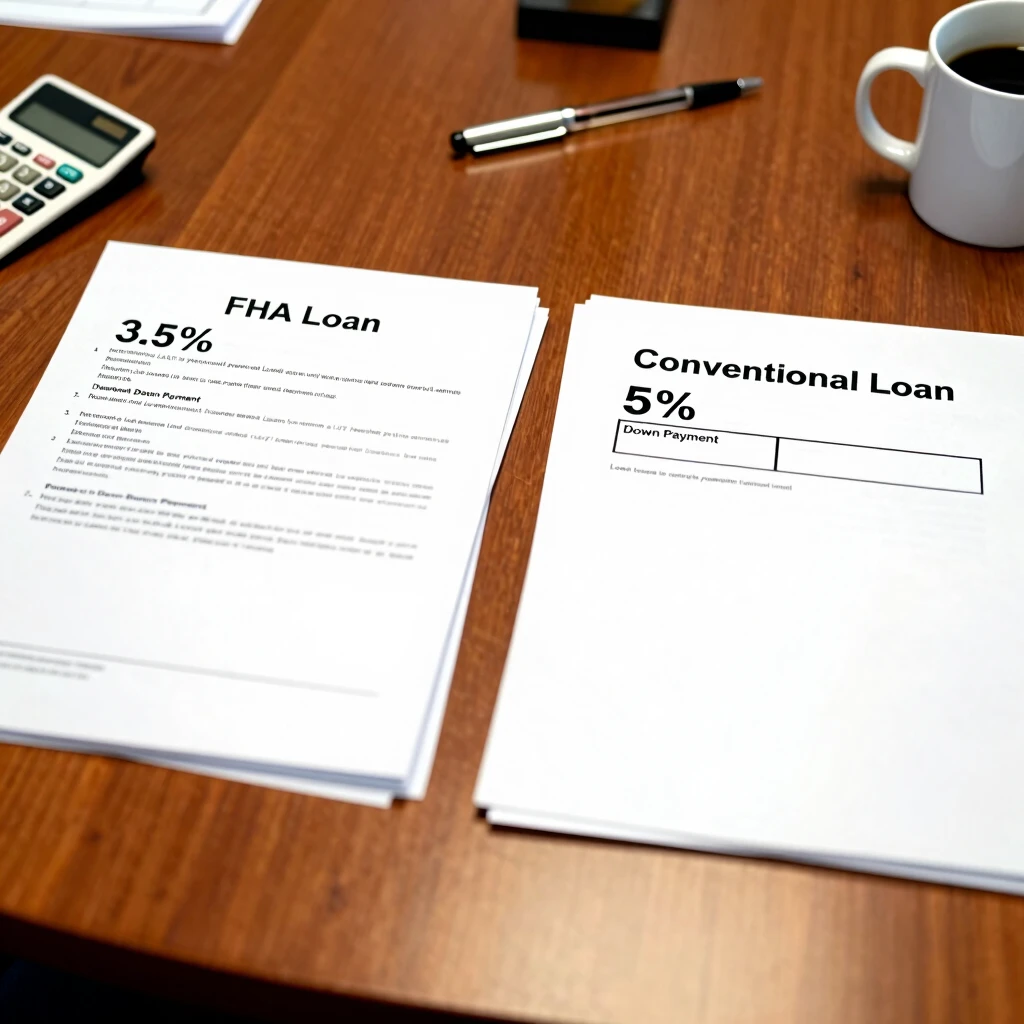
Head-to-Head: FHA vs. Conventional at a Glance
Let's make this easy with a quick table. It pulls together the main differences based on 2025 standards.
| Feature | FHA Loan | Conventional Loan |
|---|---|---|
| Credit Score Min | 580 (3.5% down) or 500 (10% down) | 620+ |
| Down Payment | 3.5% min | 3-5% min, often 20% to avoid PMI |
| DTI Ratio | Up to 43% (flexible) | Up to 45-50% |
| Insurance | MIP (upfront + monthly, lifelong) | PMI (if <20% down, cancellable) |
| Rates (Aug 2025) | ~6.5% avg | ~6.75% avg |
| Loan Limits | $524K-$1.2M (by area) | Higher, up to $766K conforming |
This chart shows why FHA often wins for newbies, while conventional pulls ahead for established buyers.
How to Qualify for an FHA Mortgage: Step by Step
Qualifying for an FHA mortgage doesn't have to feel overwhelming. Start by checking your credit report—fix any errors at AnnualCreditReport.com. Boost that score with on-time bills and low balances.
Gather proof of income: Pay stubs, tax returns, and bank statements for two years. Calculate your DTI by adding up monthly debts and dividing by gross income. Tools like online calculators help here.
Save for that 3.5% down—grants from HUD might chip in if you're a first-timer. Finally, shop lenders. Get pre-approved to know your buying power. I did this and locked in a rate before rates jumped—saved hundreds monthly.
Pro Tips for Success
- Build Reserves: Lenders like seeing 2-3 months of bills in savings.
- Shop Smart: Compare at least three quotes; rates vary.
- Get Help: Non-profits like HUD-approved counselors offer free advice (HUD.gov).
Following these steps turned my own home hunt from stressful to smooth.

The Pros and Cons: Real Talk from Experience
FHA pros? Lower entry bar means more people get in the game. My neighbor, a single parent, bought her fix-up with one—no huge down payment needed. Cons? That MIP adds up; she refinanced later to ditch it.
Conventional shines with no lifetime insurance and bigger loans for dream homes. But if your credit's iffy, doors slam shut. A friend got denied initially, then built his score and switched—worth the wait, but frustrating.
Pick based on your now: FHA for quick starts, conventional for long-haul savings.
Finding the Best Mortgage Lender for Your Needs
Not all lenders treat FHA the same. Some specialize, offering faster closings or rate perks. Look for ones approved by FHA—check the HUD site.
Read reviews on sites like Bankrate or Zillow. Ask about fees, not just rates. I always grill them on closing costs; they can sneak up.
For conventional, community banks often beat big chains on service. Tailor your search: First-time? Go FHA-focused. Upsizing? Hunt conventional experts.
Questions to Ask Lenders
- What's your FHA approval track record?
- Can you match this rate in writing?
- What fees hide in the fine print?
- How long till closing?
- Refi options down the line?
These chats uncovered a gem lender for me—saved 0.25% on my rate.
Choosing the Right FHA Loan Lender: My Take
When choosing the right FHA loan lender, vibe matters as much as numbers. Go local if you can; they know your area's quirks. Online lenders speed things up but might miss personal touches.
I once went with a national chain—efficient, but impersonal. Switched to a credit union next time; felt like family. Weigh tech vs. hand-holding based on your style.
Wrapping It Up: Your Next Move
Comparing FHA loans vs. conventional loans boils down to your credit, savings, and plans. FHA eases the start line; conventional rewards the steady pace. Whichever you chase, act now—rates hover around 6.5-7% in late 2025. Chat with a lender today. You've got this—homeownership's closer than you think. (Word count: 1,512)


