Quick Overview
Ever felt lost staring at your credit score? You're not alone. Understanding your credit score and how to improve it can unlock doors to better loans and lower interest rates—especially if you're a first-time homebuyer. In this guide, we'll break it down simply, share real tips you'll wish you knew sooner, and help you grasp mortgage terms that matter. Let's build that strong financial foundation together.
Why Your Credit Score Matters More Than You Think
Picture this: You're dreaming of your first home, keys in hand, but then the lender mentions your credit score. It feels like a mystery number pulling strings behind the scenes. I remember my own scramble years ago when I applied for my first mortgage. My score wasn't bad, but it wasn't great either, and it cost me extra in interest. That's when I dove deep into understanding your credit score and how to improve it.
Your credit score is like a report card for your borrowing habits. Lenders use it to decide if you're a safe bet. A higher score means better terms—think lower rates on that mortgage you're eyeing. For first-time homebuyers, this isn't just numbers; it's the difference between a cozy starter home and stretching your budget too thin.
In the U.S., scores range from 300 to 850. Aim for 700 or above to snag the best mortgage rates. According to the Consumer Financial Protection Bureau (CFPB), even a 50-point bump can save you thousands over a 30-year loan. Link: CFPB Credit Score Guide.
But here's a tip you'll wish you knew: Your score affects more than just mortgages. It influences car loans, rentals, and even job offers. As a first-time homebuyer, getting ahead now sets you up for success.

Breaking Down the Basics: What Makes Up Your Credit Score?
Let's demystify this. Your score isn't random—it's built from five key factors. I learned this the hard way after a late payment dinged my score unexpectedly. Understanding these helps you take control.
Here's a quick breakdown in a table:
| Factor | Weight | What It Means |
|---|---|---|
| Payment History | 35% | Do you pay bills on time? Late payments hurt big time. |
| Amounts Owed | 30% | How much debt do you carry? Keep credit card balances under 30% of your limit. |
| Length of Credit History | 15% | How long have you borrowed? Older accounts help. |
| New Credit | 10% | Too many applications? It can signal risk. |
| Credit Mix | 10% | A blend of cards, loans, and mortgages shows responsibility. |
Source: FICO, the company behind most scores. Pro tip: Check your free annual reports at AnnualCreditReport.com to spot errors.
For first-time homebuyers, focus on payment history first. I once helped a friend who missed a utility bill— it dropped her score 50 points right before her mortgage application. Simple fix? Set up auto-payments. It's one of those first-time homebuyer tips you'll wish you knew.
How to Check Your Credit Score Without the Hassle
Ready to peek at your number? You don't need to pay for it. I used to think credit monitoring was a luxury, but free tools changed my game.
- Free Weekly Reports: Thanks to recent laws, grab your Equifax, Experian, and TransUnion reports weekly at AnnualCreditReport.com.
- Bank Apps: Many like Chase or Capital One offer free scores.
- Credit Karma or Credit Sesame: These give estimates (VantageScore vs. FICO) and tips.
I check mine monthly now—it's like a health checkup. Spot a weird charge? Dispute it online. Takes minutes, saves headaches.
One personal insight: When I was house hunting, I froze my credit to avoid fraud. Unfreeze it before applying for a mortgage—lenders need access. This little step prevented a nightmare scenario.
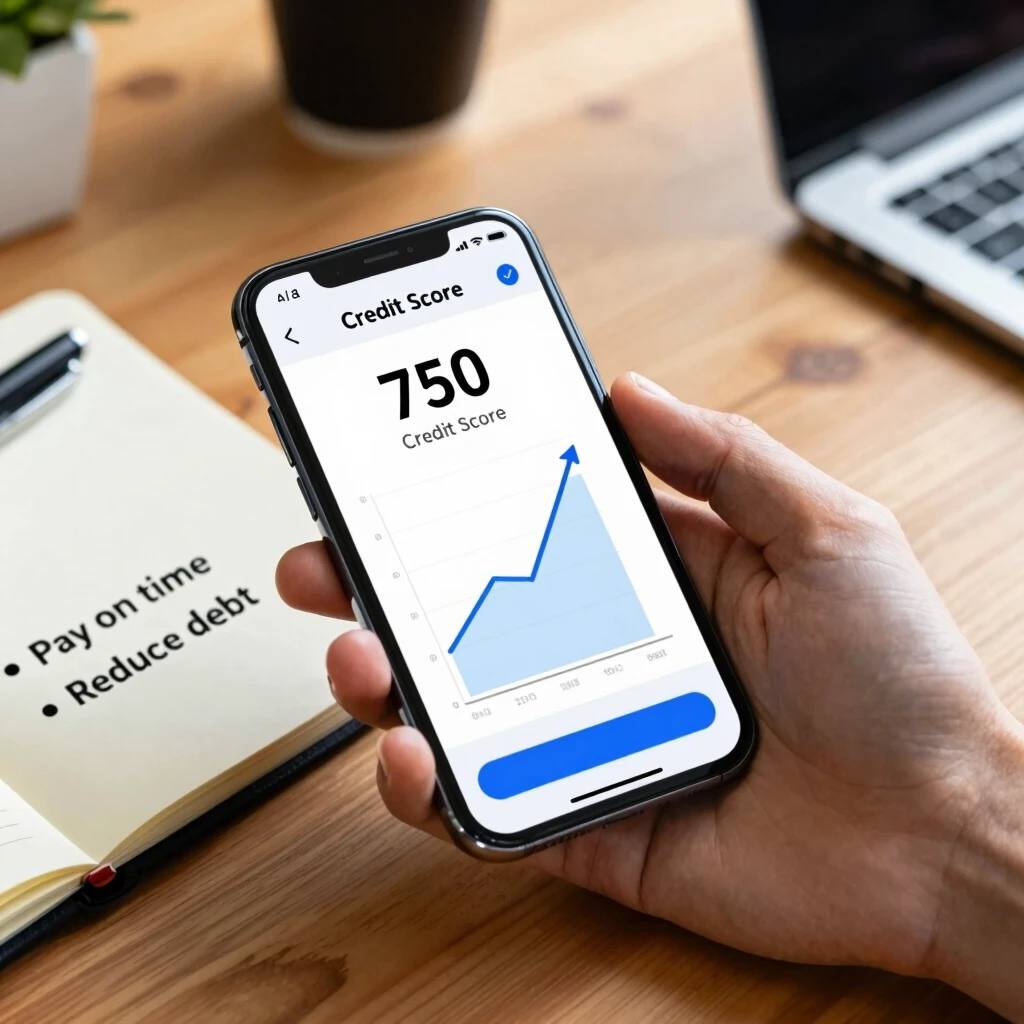
Common Myths That Trip Up First-Time Homebuyers
Myth-busting time. I fell for a few myself. 'Closing old cards helps your score'? Nope—that shortens your credit history.
Another: 'Carrying a balance builds credit.' Wrong. It just racks up interest. Pay in full each month.
And for mortgages? Don't apply everywhere at once. Each hard inquiry dings your score 5-10 points for up to a year. Shop rates within a 14-45 day window—they count as one.
As a first-time homebuyer, these tips you'll wish you knew can protect your score during the chaos of offers and inspections.
Step-by-Step: How to Improve Your Credit Score Today
Improving isn't overnight magic, but consistent steps work wonders. I boosted mine 80 points in six months by tackling debts head-on. Here's your actionable plan:
- Pay Bills on Time: Set reminders or auto-pay. Even one late payment haunts you for seven years.
- Lower Your Balances: Aim for under 30% utilization. Paid off a card? Keep it open.
- Build Positive History: Use a secured card if you're starting out. I recommended this to my sister—she's now mortgage-ready.
- Diversify Wisely: Add an installment loan (like a small personal one) if needed, but don't overdo it.
- Fix Errors: Review reports quarterly. Dispute inaccuracies—40% have them, per FTC stats.
Track progress with apps. In three months, you'll see shifts.
Personal story: Before my home purchase, I consolidated debts into a low-interest loan. It simplified payments and improved my score just in time. You can too—start small.
Tying It All to Mortgages: What First-Time Buyers Need to Know
Now, let's connect the dots to homeownership. A solid credit score directly impacts your mortgage term—the length of your loan, like 15 or 30 years. Understanding mortgage term agreements means knowing how your score influences rates.
Higher score? You might qualify for a shorter mortgage term with lower total interest. I chose a 15-year after improving mine—saved $50K in interest.
For first-time homebuyers, grasp these basics: - Fixed vs. Adjustable Rates: Fixed locks in your rate; adjustable can rise. - Down Payment Link: Good credit often means lower down payments via FHA loans. - Pre-Approval Power: Get pre-approved early. It shows sellers you're serious.
One tip you'll wish you knew: Factor closing costs (2-5% of home price) into your budget. Use calculators from Bankrate.com.

Understanding mortgage term agreements also covers fees and penalties. Read the fine print—ask about prepayment options if you plan to pay extra.
Pro advice: Work with a lender who explains everything plainly. I switched once after a confusing call; clarity is key.
Real-Life Wins: Stories from the Trenches
Let's get real. My neighbor, a single dad, ignored his score until house hunting. At 620, rates were steep. He followed the steps—paid down cards, fixed errors—and hit 710 in four months. Now, he's in a fixer-upper with affordable payments.
Another friend overlooked her student loans in utilization calcs. Consolidating helped, tying into her mortgage approval seamlessly.
These aren't outliers. With discipline, anyone can turn it around. As first-time homebuyers, your journey starts with one step: understanding your credit score and how to improve it.
Potential Pitfalls and How to Dodge Them
Watch for these traps: - Debt Snowball: New credit cards tempt, but they hurt if maxed out. - Co-Signing Risks: Helping family? It ties your scores—proceed cautiously. - Economic Shifts: Job loss? Communicate with creditors for hardship plans.
I dodged a bullet by pausing big purchases pre-mortgage. Patience pays off.
Wrapping It Up: Your Path to a Stronger Score
You've got the tools now. Start by checking your score today, then chip away at those factors. For first-time homebuyers, this knowledge isn't just helpful—it's transformative. Imagine signing that mortgage with confidence, knowing your terms align with your dreams.
Remember, small habits build big results. Celebrate wins, like that first on-time payment streak. You're on your way to financial freedom.


