Overview
Buying a home feels like a big leap, but FHA loans make it easier for many first-time buyers. These government-backed mortgages offer flexible FHA loan requirements and guidelines that lower barriers to entry. In this guide, we'll break down everything you need to know about the FHA mortgage, from credit scores to property standards, in simple terms.

What Is an FHA Loan?
An FHA loan is a mortgage insured by the Federal Housing Administration, part of the U.S. Department of Housing and Urban Development (HUD). Started in the 1930s to help people during tough economic times, it still supports homebuyers today.
Unlike traditional loans, FHA guidelines focus on making homeownership reachable. Lenders feel safer because the government covers losses if you can't pay. This lets them offer better terms to folks with less-than-perfect finances.
In my experience guiding a friend through her first home buy, the FHA mortgage turned a stressful process into something manageable. She appreciated how it didn't demand a huge savings pile upfront.
Basic Eligibility for FHA Loans
Who can grab an FHA loan? Most U.S. citizens or legal residents qualify if they plan to live in the home as their main residence. You can't use it for investment properties or vacation spots.
Key points: - Age: At least 18 years old. - Income: Steady job history, usually two years in the same field. - Citizenship: U.S. citizen, permanent resident, or eligible non-citizen.
HUD outlines these basics on their official buying a home page. Check there for the latest tweaks.
Credit Score Requirements
Credit scores scare a lot of buyers, but FHA guidelines give breathing room. The minimum score is 500, but aim higher for the best deals.
Here's the breakdown:
| Credit Score Range | Down Payment Required | Notes |
|---|---|---|
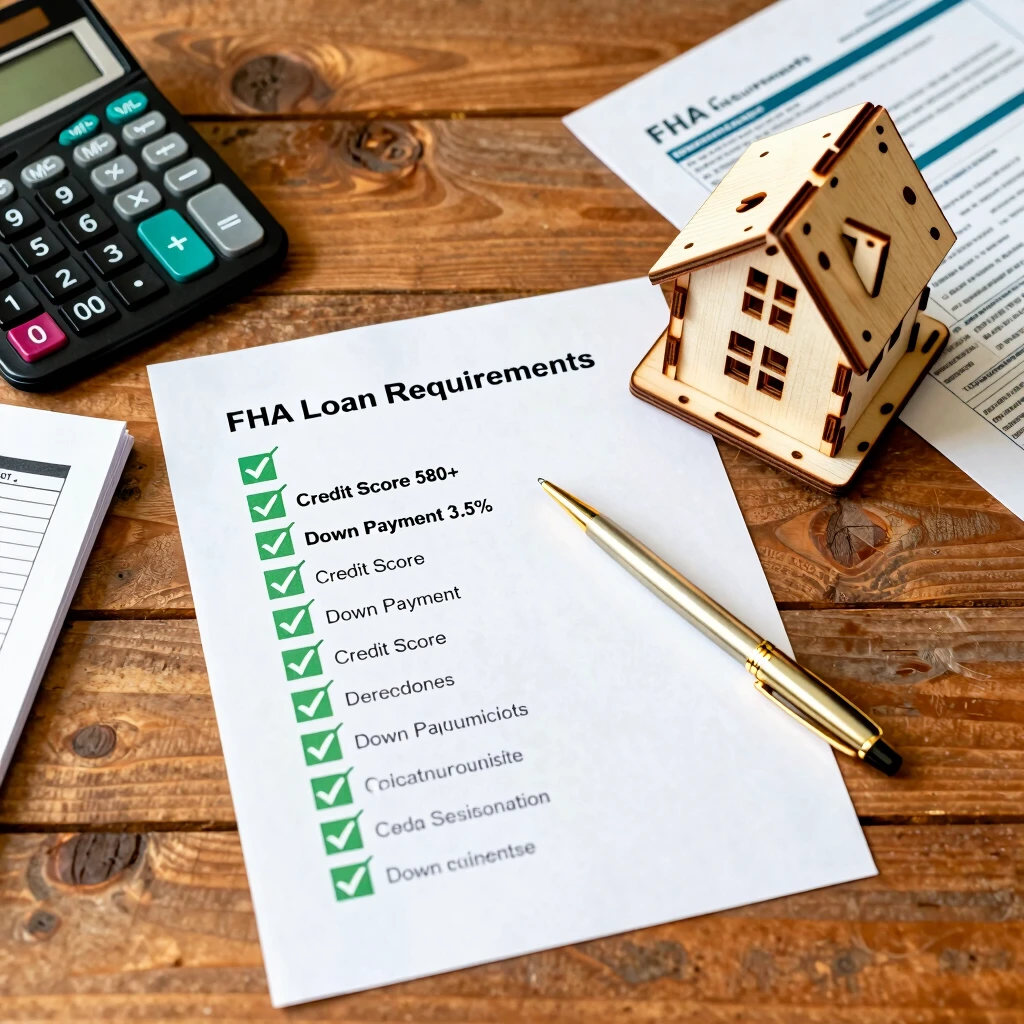
| 580 or higher | 3.5% | Standard option for most buyers |
| 500-579 | 10% | Possible, but fewer lenders offer it |
If your score dips below 500, you'll need to boost it first. I once saw a cousin turn his score around in six months by paying bills on time and cutting up extra cards. It opened doors he thought were closed.
For detailed rules, see HUD's explanation on FHA credit score determination.

Down Payment Guidelines
One of the biggest perks? Low down payments. With a credit score of 580+, you only need 3.5% of the home's price. For a $300,000 house, that's $10,500—way less than the 20% some loans demand.
Where does the money come from? Gifts from family count, and some programs help cover it. Just document everything to avoid headaches later.
Remember, you'll also pay mortgage insurance premiums (MIP). Upfront is 1.75% of the loan, then monthly adds about 0.55%. It protects the lender but bumps your payment a bit.
Debt-to-Income (DTI) Ratio
Lenders look at your DTI to see if you can handle payments. It's your monthly debts divided by gross income.
FHA guidelines suggest: - Front-end DTI: 31% max (housing costs over income). - Back-end DTI: 43% max (all debts over income).
They can stretch to 50% with strong credit or cash reserves. Calculate yours: Add up car loans, student debt, and cards, then divide by monthly pay before taxes.
Pro tip: Pay down small debts first. A buddy of mine shaved 5% off his DTI by clearing a credit card, making his FHA application a slam dunk.
Property Requirements and Standards
Not every house qualifies. FHA guidelines ensure the home is safe and solid.
What to expect: - Inspection: A HUD-approved appraiser checks for issues like leaky roofs or faulty wiring. - Types: Single-family homes, condos, townhouses, or manufactured homes on permanent foundations. - Condition: Must meet minimum property standards—no major hazards.
If fixes are needed, sellers often cover them before closing. This protects you from surprise repair bills down the road.
Loan Limits and Closing Costs
FHA sets annual loan limits by county to match local prices. In low-cost areas, it's around $498,257 for one unit in 2025; higher in pricey spots like California.
Closing costs? Expect 2-6% of the loan. FHA allows sellers to pay up to 6% toward them, easing your out-of-pocket hit.
Use HUD's mortgage limits lookup tool to find your area's cap.
The FHA Loan Application Process
Ready to apply? Start by getting pre-approved. Shop lenders who specialize in FHA mortgages—they vary on fees and speed.
Steps: 1. Gather docs: Pay stubs, tax returns, bank statements. 2. Find a home: Work with a real estate agent familiar with FHA. 3. Appraisal: Lender orders the FHA appraisal. 4. Underwriting: They review everything. 5. Closing: Sign papers, get keys!
It takes 30-45 days usually. Stay organized, and you'll breeze through.
Pros and Cons of FHA Loans
FHA loans shine for accessibility, but they're not perfect.
Pros: - Low down payment. - Flexible credit rules. - Competitive rates.
Cons: - MIP for the loan's life (unless you put 10% down). - Stricter property inspections. - Loan limits cap bigger buys.
From what I've seen, the pros outweigh cons for most starters. One neighbor switched from conventional to FHA and saved thousands upfront.
Personal Insights: Making FHA Work for You
I've watched family members use FHA loans to build equity and stability. One tip: Build an emergency fund alongside your down payment. Life throws curveballs, and it kept my sister stress-free post-closing.
Another: Compare lenders. Rates and fees differ, so shop around. Use free tools from the Consumer Financial Protection Bureau on FHA loans to arm yourself with facts.
Summary
FHA loan requirements and guidelines open doors for millions. With low down payments, lenient credit, and clear rules, the FHA mortgage empowers everyday folks to own homes. Review your finances, consult pros, and take that first step toward your place.


