Overview
The FHA appraisal process ensures your dream home is worth the price and safe to live in. It's a key step in getting an FHA mortgage, combining value check with a basic safety review. This guide breaks it down simply, so you know what to expect.
Buying a home with an FHA loan feels exciting, but the appraisal can seem like a hurdle. Don't worry—I've helped many first-time buyers navigate this, and it's often smoother than you think. Let's dive into what the FHA appraisal process explained really means.
What Is an FHA Appraisal?
An FHA appraisal is more than just figuring out a home's price. It checks if the property meets the Federal Housing Administration's standards. The FHA backs your loan, so they want to make sure the house is a smart buy.
Unlike a regular home inspection, which you pay for separately, the FHA appraisal focuses on value and basic condition. Appraisers look for issues that could affect safety or the home's worth. Think of it as a safeguard for both you and the lender.
From my experience, many buyers mix this up with a full inspection. The appraisal spots big problems, but it doesn't catch everything. Always get your own inspector for peace of mind.
Why Do You Need an FHA Appraisal?
Every FHA mortgage requires this step. The FHA insures the loan, meaning if things go wrong, they cover the lender. To protect everyone, the home must meet minimum property standards.
This process confirms the home's market value matches the loan amount. If the appraisal comes in low, you might need to renegotiate the price or walk away. It also ensures the house is safe, sound, and secure—no major hazards like faulty wiring or leaky roofs.
One buyer I worked with had a low appraisal on an older home. We used it to get the seller to drop the price by $10,000. It turned a potential setback into a win.
Steps in the FHA Appraisal Process
The process starts once you apply for an FHA loan and find a home. Your lender orders the appraisal from an FHA-approved appraiser. These pros are licensed and trained specifically for FHA guidelines.
First, the appraiser researches the property. They look at recent sales of similar homes in the area, called comparables or 'comps.' This helps set the value.
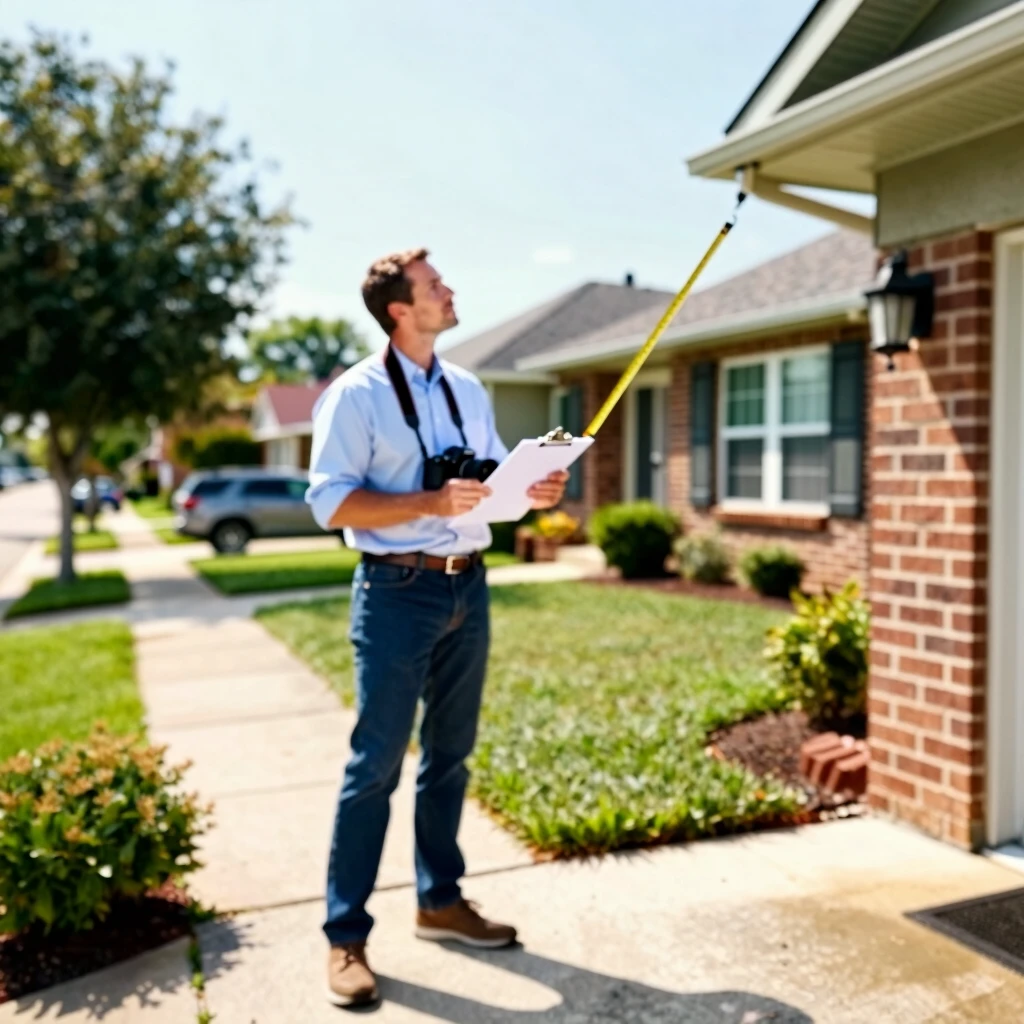
Next comes the site visit. The appraiser tours the home inside and out, taking notes and photos. They check the structure, systems like plumbing and electrical, and overall condition.
After the visit, they compile a report. This includes the estimated value and any required repairs. The whole thing usually takes 7-10 days.
Here's a quick list of the main steps:
- Loan application and home contract
- Lender orders appraisal
- Appraiser researches comps
- On-site inspection
- Report submission to lender
- Review and next steps
FHA Appraisal Guidelines and Requirements
FHA has strict rules to ensure homes are livable. Appraisers check for health and safety issues. For example, no peeling paint in homes built before 1978 due to lead risks.
They inspect the roof for leaks, the foundation for cracks, and ensure working smoke detectors. Utilities must function—heat, water, electricity. The home needs safe access, like handrails on stairs.
Value-wise, the appraiser compares your home to at least three similar ones sold recently. Adjustments are made for differences, like extra bedrooms or updates.
Common requirements include:
| Area | Key Checks |
|---|---|
| Exterior | Roof condition, siding, drainage |
| Interior | Functional kitchen, bathrooms, no hazards |
| Systems | Working HVAC, plumbing, electrical |
| Safety | Smoke alarms, secure windows/doors |
| Value | Matches comps, no overvaluation |
These guidelines come from HUD, the FHA's parent agency. Check their site for details: HUD FHA Guidelines.
In my view, these standards push sellers to fix issues early, making homes better for everyone.

How FHA Appraisals Differ from Conventional Ones
Conventional appraisals mainly focus on value. FHA ones add that condition layer. This means FHA might flag issues a conventional appraiser overlooks.
For instance, a small crack in the foundation might pass conventional but require repair for FHA. This protects buyers from costly surprises.
Cost is similar—around $300 to $500, usually paid by the buyer. But FHA appraisals stick to the property for six months, meaning if the deal falls through, the next buyer can use it.
A friend switched from conventional to FHA mid-process. The stricter appraisal caught a wiring issue, saving them thousands in repairs later.
Common Issues and How to Fix Them
Problems pop up often in older homes. Peeling paint, missing handrails, or non-working outlets are frequent flags.
If the appraiser notes repairs, they're classified as mandatory or recommended. Mandatory ones must happen before closing, or the loan won't go through.
Sellers usually handle fixes, but negotiate who pays. Get estimates early to avoid delays.
Top issues include:
- Lead-based paint hazards
- Structural damage
- Faulty roofing
- Inadequate heating
- Pest infestations
Pro tip: Walk through the home yourself before the appraisal. Spot obvious issues and fix them upfront.
Preparing Your Home for an FHA Appraisal
Preparation makes a big difference. Clean thoroughly—appraisers notice clutter, which can suggest poor maintenance.
Fix minor things like leaky faucets or burned-out bulbs. Ensure access to all areas, including attic and crawl spaces.
If you're selling, provide comps to the appraiser if you think they'll help. But remember, they're independent.
One client I advised decluttered and painted— their appraisal came in $5,000 higher than expected.
What If the Appraisal Comes in Low?
A low appraisal means the value is below your offer. Options include:
- Ask the seller to lower the price.
- Pay the difference in cash.
- Challenge the appraisal with new comps.
- Walk away if it's a bad deal.
Challenges succeed about 15-20% of the time, per industry stats. Gather evidence quickly.
I've seen buyers use this to their advantage, turning negotiations in their favor.
The Role of the Appraiser
Appraisers are neutral experts. They follow Uniform Standards of Professional Appraisal Practice (USPAP) plus FHA rules.
They're not out to kill deals—they just report facts. Choose a lender with good appraiser networks to avoid delays.

Final Thoughts
The FHA appraisal process explained simply: It's your assurance of a fair, safe home buy. While it adds a step, it protects your investment in the long run. If you're pursuing an FHA mortgage, embrace it as part of the journey to homeownership.
Remember, consult your lender for specifics, as rules can update. With preparation, you'll sail through.


