Overview: Home inspections are a crucial step in the homebuying process, helping buyers identify potential issues and make informed decisions. This article provides a comprehensive guide on what to look for in a home inspection, including key areas to focus on, common issues, and tips for first-time homebuyers. Whether you're a seasoned investor or a first-time buyer, understanding the home inspection process is essential for protecting your investment.
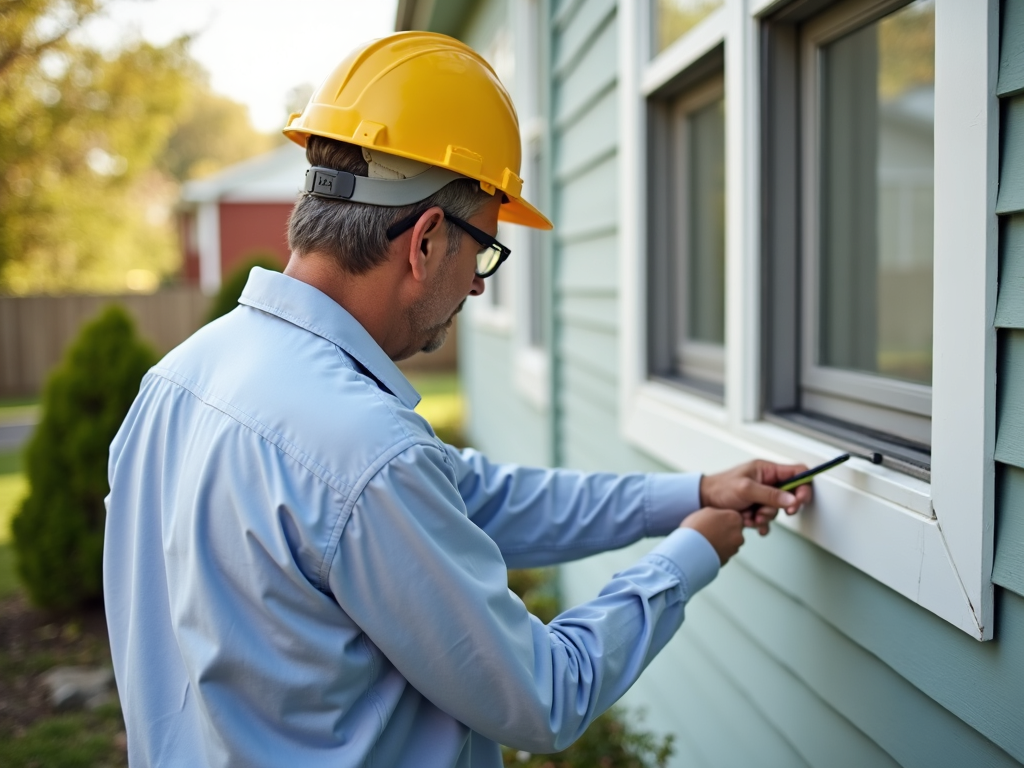
What is a Home Inspection? A home inspection is a thorough examination of a property's condition, typically conducted by a licensed professional. It covers various aspects of the home, including its structure, systems, and overall safety. The inspector will assess the roof, foundation, electrical wiring, plumbing, heating and cooling systems, and more. The goal is to identify any existing or potential issues that could affect the property's value or safety.
Why is a Home Inspection Important? A home inspection is important for several reasons. First, it helps buyers make informed decisions by providing a clear picture of the property's condition. It can uncover hidden problems that may not be visible during a casual walkthrough, such as structural damage, faulty wiring, or plumbing leaks. Second, it can be a negotiating tool, allowing buyers to request repairs or price adjustments based on the inspection findings. Finally, it provides peace of mind, knowing that the property is safe and in good condition.
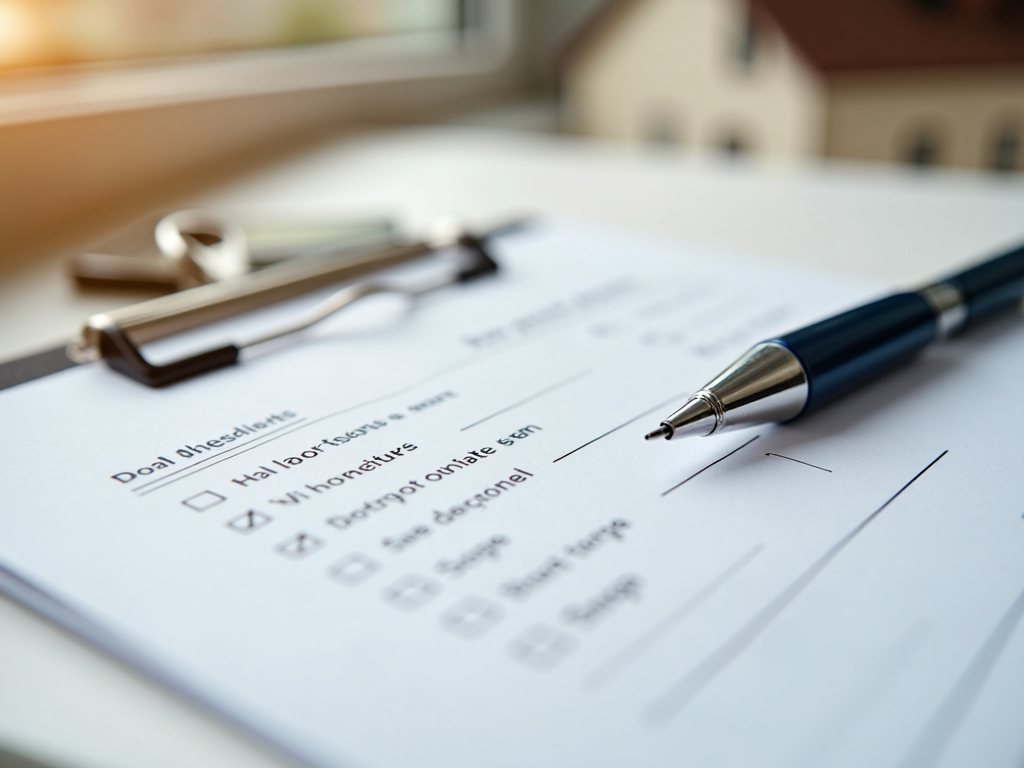
What Does a Home Inspection Include? A standard home inspection covers the following areas:
-
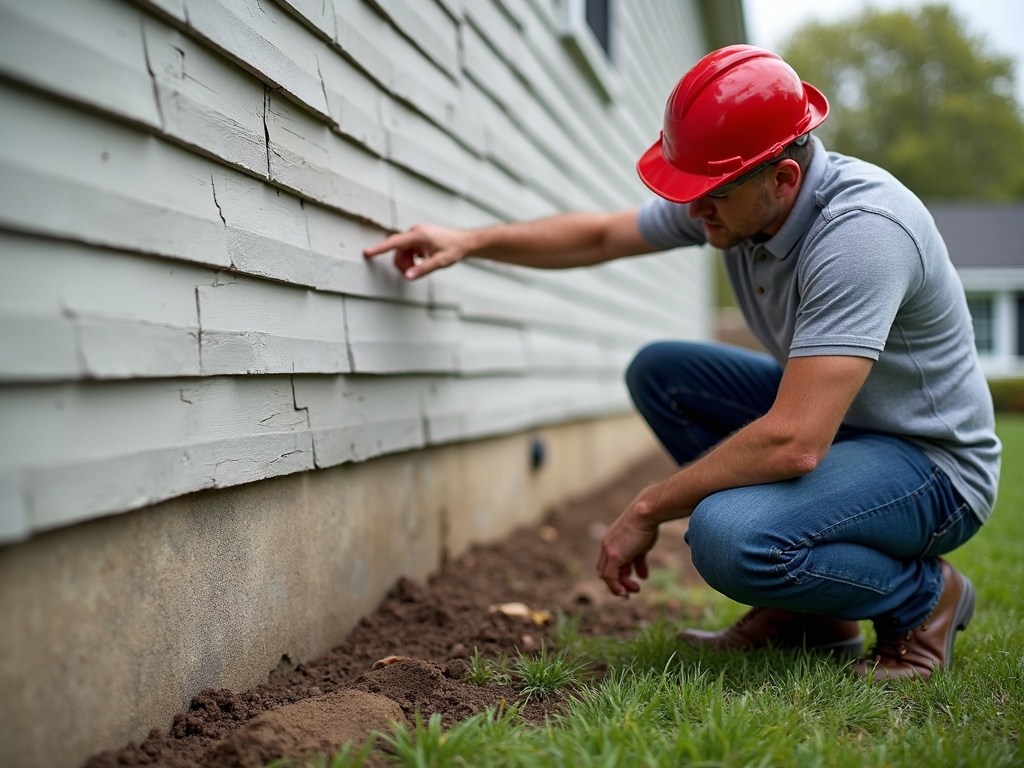
Structural Components: This includes the foundation, walls, floors, and roof. The inspector will look for signs of damage, such as cracks, sagging, or water infiltration.
-
Exterior: The inspector will examine the siding, windows, doors, and any attached decks or porches. They'll check for proper installation, damage, and potential water intrusion points.
-
Roof: The roof inspection involves checking the condition of the shingles, flashing, and gutters. The inspector will look for signs of wear, damage, or improper installation.
-
Plumbing: This includes checking the water supply and drainage systems, as well as fixtures like sinks, toilets, and showers. The inspector will look for leaks, water pressure issues, and proper functioning.
-
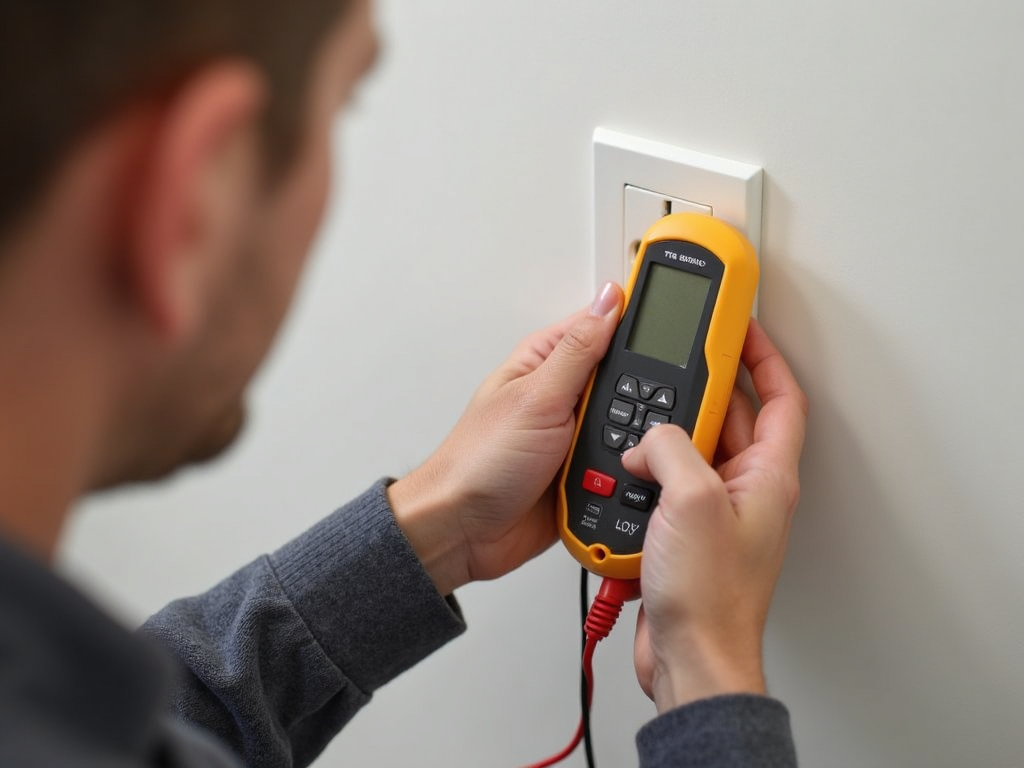
Electrical: The electrical inspection covers the main panel, wiring, outlets, and switches. The inspector will check for outdated or unsafe wiring, proper grounding, and functioning outlets.
-
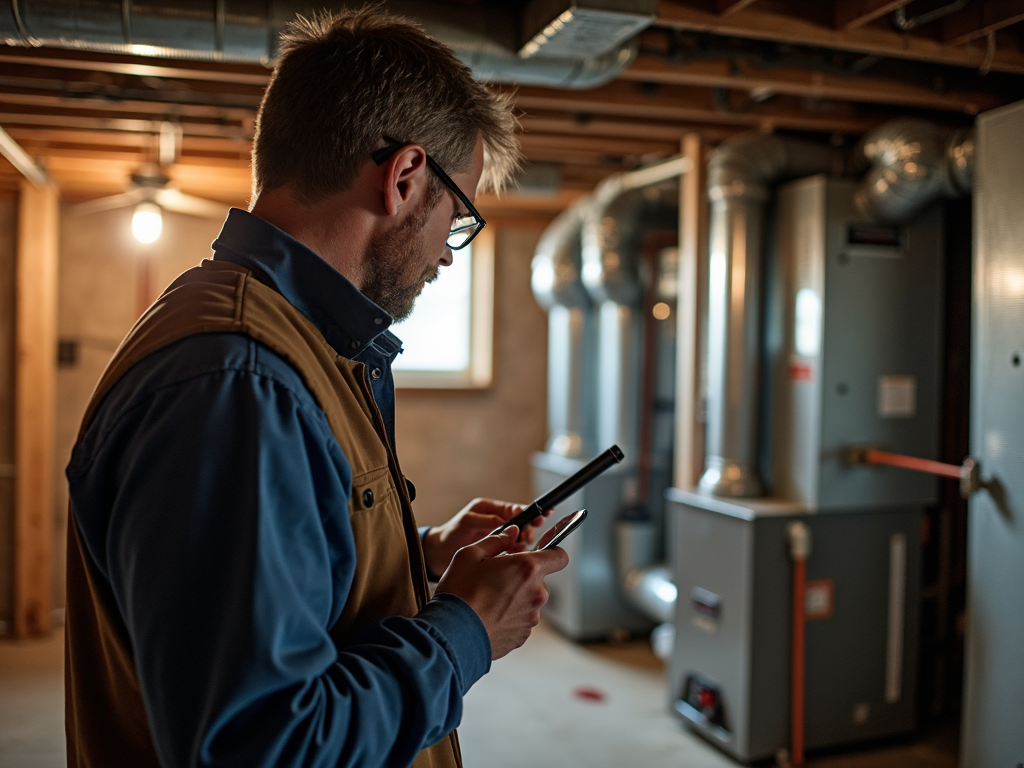
Heating and Cooling: The inspector will assess the HVAC system's condition, including the furnace, air conditioner, and ductwork. They'll check for proper operation, maintenance, and potential safety hazards.
-
Interior: This includes checking the walls, ceilings, floors, and stairs for damage or safety issues. The inspector will also assess the condition of doors, windows, and built-in appliances.
-
Insulation and Ventilation: The inspector will check the attic and crawl spaces for proper insulation and ventilation, which are crucial for energy efficiency and moisture control.
Key Areas to Focus on During a Home Inspection While a home inspection covers many aspects of a property, there are certain areas that deserve extra attention. Here are some key areas to focus on:
-
Foundation and Structure: The foundation is the backbone of the home, so any issues here can be costly to repair. Look for cracks, settling, or signs of water damage.
-
Roof: A damaged or aging roof can lead to leaks and water damage. Check for missing or damaged shingles, sagging, and proper flashing around chimneys and vents.
-
Electrical System: Outdated or faulty electrical systems can be a fire hazard. Look for old wiring, overloaded circuits, and proper grounding.
-
Plumbing: Leaks, clogs, and outdated pipes can cause water damage and health hazards. Check for signs of leaks, water pressure issues, and the condition of pipes.
-
HVAC System: A malfunctioning heating or cooling system can be expensive to repair or replace. Ensure the system is properly maintained and functioning efficiently.
-
Water Damage and Mold: Water damage can lead to structural issues and mold growth, which can be harmful to health. Look for signs of water stains, musty odors, and visible mold.
-
Pest Infestations: Termites, rodents, and other pests can cause significant damage to a property. Check for signs of infestations, such as droppings, chewed wood, or nests.
Common Issues Found During Home Inspections Home inspections often uncover a variety of issues, ranging from minor to major. Here are some common problems that inspectors frequently encounter:
-
Roof Damage: Missing or damaged shingles, leaks, and improper flashing are common roof issues.
-
Electrical Problems: Outdated wiring, overloaded circuits, and lack of GFCI outlets are frequent electrical concerns.
-
Plumbing Leaks: Leaky faucets, toilets, and pipes are common plumbing issues.
-
HVAC Malfunctions: Dirty filters, outdated systems, and improper maintenance can lead to HVAC problems.
-
Water Damage: Stains, mold, and rot are signs of water damage that can be costly to repair.
-
Structural Issues: Cracks in the foundation, sagging floors, and damaged framing are serious structural concerns.
-
Pest Infestations: Termite damage, rodent nests, and other pest-related issues are common findings.
How to Prepare for a Home Inspection To make the most of your home inspection, follow these tips:
-
Choose a Qualified Inspector: Look for a licensed professional with experience and good reviews. You can ask for recommendations from your real estate agent or friends.
-
Attend the Inspection: Being present during the inspection allows you to ask questions and get a firsthand look at any issues.
-
Bring a Checklist: Having a list of areas to focus on can help ensure nothing is overlooked.
-
Take Notes: Documenting the inspector's findings can help you remember important details.
-
Ask Questions: Don't hesitate to ask the inspector for clarification or more information about any concerns.

What to Do After the Home Inspection Once the inspection is complete, you'll receive a detailed report outlining the findings. Here's what to do next:
-
Review the Report: Carefully read through the report and note any major issues or safety concerns.
-
Discuss with Your Agent: Your real estate agent can help you interpret the report and advise on next steps.
-
Negotiate Repairs or Price Adjustments: If significant issues are found, you may be able to negotiate with the seller for repairs or a lower price.
-
Consider Additional Inspections: If the general inspection uncovers potential problems, you may want to hire specialists for further evaluation (e.g., a structural engineer or pest control expert).
-
Make an Informed Decision: Use the inspection report to decide whether to proceed with the purchase, renegotiate, or walk away.
10 Tips for First-Time Homebuyers Buying your first home can be overwhelming, but these tips can help make the process smoother:
-
Get Pre-Approved for a Mortgage: Knowing your budget upfront can help you focus on homes within your price range.
-
Hire a Reputable Real Estate Agent: A good agent can guide you through the process and help you find the right property.
-
Make a List of Must-Haves: Prioritize your needs and wants to help narrow down your search.
-
Don't Skip the Home Inspection: A thorough inspection can save you from costly surprises down the road.
-
Budget for Closing Costs: Closing costs can add up, so make sure to factor them into your budget.
-
Consider Future Needs: Think about how your needs might change in the future and choose a home that can accommodate them.
-
Research the Neighborhood: Look into schools, amenities, and crime rates to ensure the area is a good fit.
-
Be Prepared to Compromise: You may not find a home that checks every box, so be willing to make some compromises.
-
Understand Your Loan Options: Research different mortgage types, including FHA loans, to find the best fit for your situation.
-
Take Your Time: Don't rush the process. Take the time to find the right home and make informed decisions.

FHA Loan Considerations for Home Inspections If you're considering an FHA loan, there are specific requirements and considerations related to home inspections:
-
FHA Appraisal vs. Home Inspection: While an FHA appraisal is required, it's not the same as a home inspection. An appraisal determines the property's value, while an inspection assesses its condition.
-
FHA Loan Requirements: The property must meet certain minimum standards set by the FHA, including safety, security, and structural integrity.
-
Repairs and Negotiations: If the appraisal or inspection uncovers issues, the seller may need to make repairs before the loan can be approved.
-
FHA Loan Application Checklist: When applying for an FHA loan, you'll need to provide documentation such as proof of income, employment history, and credit reports.
For more information on FHA loans, you can visit the U.S. Department of Housing and Urban Development (HUD) website.
Summary A home inspection is a vital step in the homebuying process, helping you identify potential issues and make informed decisions. By focusing on key areas, preparing thoroughly, and understanding what to do after the inspection, you can protect your investment and ensure your new home is safe and sound. For first-time homebuyers, following these tips and considering financing options like FHA loans can make the process smoother and more manageable.


