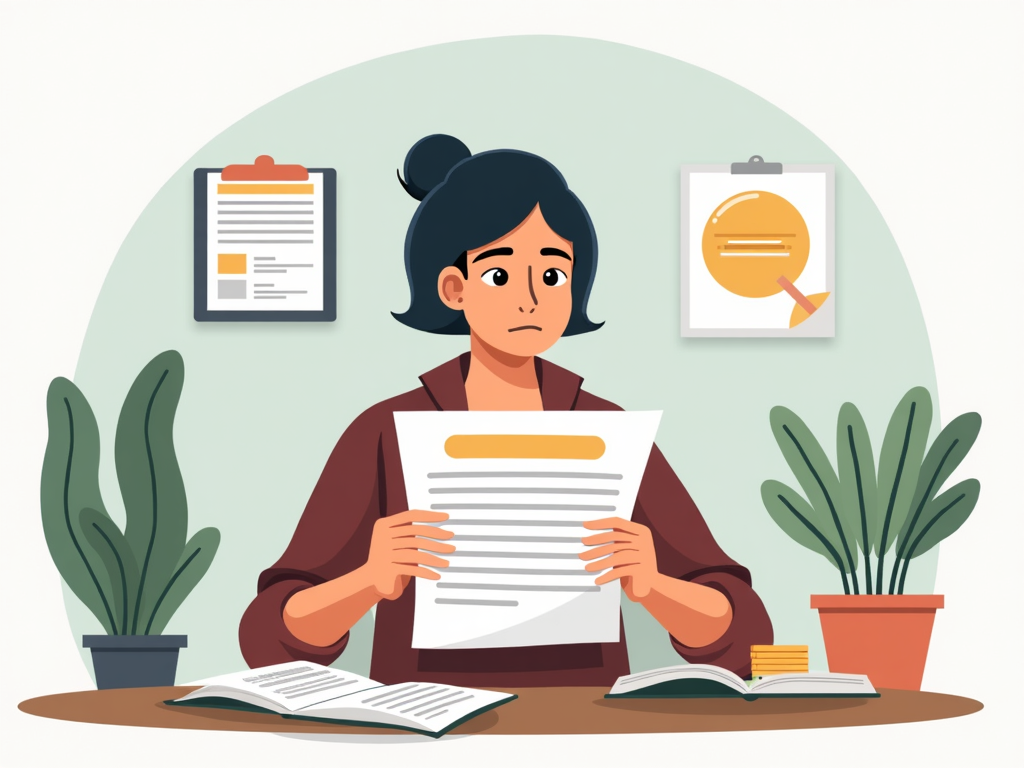
A credit report is like a financial report card. It shows lenders how you've managed credit in the past, which helps them decide whether to lend you money in the future. Understanding your credit report is the first step to taking control of your financial life.
What is a Credit Report?
A credit report is a detailed history of your borrowing and repayment behavior. It typically includes the following information:
- Personal Information: Your name, address, Social Security number, and date of birth.
- Credit Accounts: Details on your credit cards, loans, and mortgages, including the date when they were opened, credit limits, balances, and payment history.
- Credit Inquiries: A record of who has requested your credit report, both for hard inquiries (which can impact your score) and soft inquiries.
- Public Records: Any bankruptcies, foreclosures, or tax liens, which can significantly affect your credit.
Understanding each part is crucial for managing your financial reputation.
Why is Your Credit Report Important?
Your credit report plays a significant role in your financial opportunities. Here are a few impacts: - Loan Approval: Lenders look at your credit history to determine if you’re a reliable borrower. - Interest Rates: A higher credit score often means lower interest rates, which can save you money over time. - Employment Opportunities: Some employers check credit reports as part of their hiring process, especially in financial sectors. - Housing: Landlords may use your credit report to decide whether to approve your rental application.
In short, a good credit report opens doors while a poor one can close them.
How to Obtain Your Credit Report
You can obtain your credit report for free once a year from the three major credit bureaus: Experian, Equifax, and TransUnion. Visit AnnualCreditReport.com to access your reports simultaneously or separately.
In addition, many credit card companies offer free credit score tracking, which can give you insights into your credit health.
Understanding Your Credit Report
Once you have your report, take time to review each section: - Personal Information: Ensure everything is accurate; even small errors can affect your score. - Credit Accounts: Look for any discrepancies in your account details. - Inquiries: Check for unauthorized inquiries, which may indicate identity theft. - Public Records: Investigate any negative records to see if they’re still relevant or accurate.
This careful review can help you identify areas for improvement and catch any mistakes.
Common Mistakes and How to Avoid Them
Many people overlook their credit reports. Here are some common mistakes: - Not Checking Regularly: Set reminders to check your reports at least once a year to stay on top of your credit health. - Ignoring Errors: Don’t dismiss errors as trivial; even minor inaccuracies can lower your score. - Not Understanding Credit: Familiarize yourself with how credit works to make informed decisions.
Avoiding these pitfalls can help you maintain a good credit score.
Taking Action: Improving Your Credit Score
Improving your credit score is possible with these tips: 1. Pay Bills on Time: Late payments can significantly hurt your score. 2. Reduce Debt: Aim to use less than 30% of your available credit. 3. Dispute Errors: If you find errors, contact the credit bureau to dispute them. 4. Limit New Credit: Opening many accounts at once can lower your score.
Taking control of your credit habits today can lead to a brighter financial future.
Related Topics
- How to Improve Your Credit Score
- How to Choose the Right Mortgage for You
- Understanding Interest Rates
- The Home Buying Process
- Managing Debt Effectively
Conclusion
Understanding your credit report is essential for managing your financial health. By regularly reviewing your report, correcting errors, and making informed financial decisions, you can take charge of your credit score and open up exciting opportunities in life.